


Every day on Trusted Housesitters, hundreds of listings go unfilled. If you are struggling to attract great applicants, it may be because you are looking at the platform from the wrong angle. This can be a great platform if utilized for what it is.
Trusted Housesitters is an exchange platform connecting travellers. Travelling pet owners who are unable to bring their pets on their travels, can arrange home and pet care while they are away. Avoiding boarding costs and keeping their pets comfortable in their own environment while ensuring their homes remain actively occupied.
Beyond pet care, having a house sitter provides important benefits to travelling pet owners. An occupied home is a deterrent to break-ins. A daily presence ensures mail and deliveries are managed. Plants are kept thriving, and ongoing oversight allows for early detection of issues such as leaks, heating failures, or damage that could worsen if left unnoticed. Regular occupancy or check-ins can also help meet home insurance requirements or even support more favourable coverage conditions. Depending on your homes location and insurance provider.
In exchange, other travellers commit their time, taking on additional responsibility during their trip to care for your pets and maintain your home. In return, they receive accommodation as part of their travel experience. Whether a sitter wants to have a staycation and travel a short distance or travel to the furthest ends of the earth, this arrangement is an exchange between travellers.
Each listing is evaluated based on practical trade-offs such as time, cost, responsibility, lifestyle fit, and overall effort. Sitters compare multiple opportunities at once and make quick decisions based on perceived value. The more your listing asks of a sitter in time, cost, flexibility, or responsibility, the more value it must offer in return. When pet owners lose that balance, applications disappear.

Why Great Homes Still Go Unfilled
For pet owners, an unfilled sit can feel confusing or even personal “Our pets are easy”, “Our home is nice”, “We’re offering free accommodation” or more. However, with rising costs and limited disposable income, sitters are increasingly selective about what a sit will cost them in time, energy, money, and lifestyle trade-offs. Yet, some receive multiple applications from experienced sitters with glowing reviews, often from people who could choose to go anywhere.
These sit listings usually check every box. Not just a desirable destination, but a well-maintained, fully equipped homes in a location where hotels cost $500+ per night. Groceries are walkable and often included by the host, attractions are close, transit is simple, and daily life feels easy. In these cases, the value of the exchange is obvious. But even prime-locations can’t stretch a sitters boundaries infinitely. Even exceptional locations cannot compensate for unlimited demands. Every listing has a tipping point. Choose the requirements that matter most, because every additional demand narrows your pool of applicants

Understanding How Sitters Assess Your Sit
Most pet owners struggle to fill a sit because they’re only seeing part of the picture. Sitters are asking, Can I realistically get there? An airport or bus pick up can go a long way.
Can I live comfortably day-to-day? More than a 15 min walk to fully stocked grocery store or pharmacy becomes an inconvenience.
Do I feel trusted and respected? Feeling like you are constantly being watched on outside cameras or pet collar tracker for walks isn’t reassuring.
Is the overall value worth the trade-offs? Pet owners often forget the financial cost sitters must commit to before even getting to their home.
No sitter wants to spend hundreds or thousands of dollars simply to care for someone else’s animals. That isn’t an equal exchange.
When demands increase but the perceived value doesn’t, even excellent homes in a tourist hot spots begin to struggle.
That large network of sitters sounds attractive, but it just means there is more to compete with. Every sit can be filled. But not every sit can demand the same level of service, flexibility, or sacrifice. A free place to stay is not the offer many owners think it is. This is an unpaid, high-responsibility role, and even though no money changes hands, it functions like a competitive job market. So ask yourself one question: What is your listing offering that makes a sitter choose it over dozens of others?

Understanding the Pet Owner Demand Spectrum
The following guide examines the first 10 of the 26 most common factors that reduce sitter application rates.
To evaluate them consistently, we developed the Pet Owner Demand Spectrum, a framework that measures the demands pet owners place on sitters and how those demands influence application rates. The Pet Owner Demand Scale rates each factor as Low, Moderate, or High demand. Together, these ratings explain why some listings fill within minutes while others struggle to attract applicants.
🟢 Low Demand – This factor places minimal extra burden on the sitter’s time, finances, mobility, or responsibility load. (easy to fill)
🟡 Moderate Demand – This factor adds noticeable effort or limitation, but remains reasonable for many sitters. (competitive)
🔴 High Demand – This factor includes significant restrictions, responsibilities, cost, or risk for the sitter. (often skipped)
This isn’t about lowering your standards. It’s about understanding how each expectation affects your listing’s competitiveness. By the end of this guide, you’ll know where your listing falls on the Pet Owner Demand Spectrum and which changes are most likely to attract more and better applicants.
Think of your listing as a holiday destination you’re inviting someone to choose. Every location has something that makes it special, whether it’s a cosy fireplace, hiking trails, beaches, museums, wildlife, fishing, or a vibrant city nearby. Show sitters what they’ll experience beyond caring for your pets. Include photos of the local area and mention any extras they can enjoy, such as bicycles, canoes, hiking gear, or other amenities.
By the end of this guide, you’ll know exactly where your listing falls on the Pet Owner Demand Spectrum and what changes will have the biggest impact on attracting better applicants.

1. Posting Timeline
Pet Owner Demand Scale🟢 Low Demand (3–6 months before the sit)
The ideal booking window. Most experienced sitters are actively planning and have enough flexibility to commit.🟡 Moderate Demand (More than 6 months before the sit)
Many sitters are not yet ready to commit this far ahead, so listings often receive saves rather than applications.🔴 High Demand (Less than 3 months before the sit)
Fewer experienced sitters remain available, and short notice creates additional barriers that reduce applications.
Before a sitter evaluates your pets, home, or listing, they first ask one simple question. Am I available? Availability is one of the biggest factors affecting application rates, yet many pet owners underestimate its importance.
Why This Reduces Demand
Posting too late places additional demands on a sitter before they have even read the rest of your listing. Last minute sits often mean higher airfare, more expensive car rentals, limited transport options, and the need to rearrange work or personal commitments at short notice. Many experienced sitters have already committed to other sits, leaving a much smaller pool of available applicants.
Posting too early creates a different challenge. While costs may be lower, many sitters simply aren’t ready to commit six or more months in advance. Uncertainty about future travel plans often results in listings being saved rather than applied for.
Neither situation makes your pets or home less attractive. It simply reduces the number of sitters who are realistically available.
How to Increase Demand
Whenever possible, publish your listing three to six months before your sit begins. This gives sitters enough time to organize travel, compare transport costs, request leave from work, and fit your dates into their existing plans.
If you must post within three months of your travel dates, consider ways to increase the overall value of your listing to offset the higher demand. Offering airport collection, allowing flexible arrival dates, providing a vehicle, or highlighting unique features of your home or location can make a last minute sit much more appealing.

2. Number & Type of Pets
Pet Owner Demand Scale
🟢 Low Demand: 1–2 pets; cats or small dogs
🟡 Moderate Demand : 3–4 pets; medium or large dogs, mixed households
🔴 High Demand: 5+ pets; uncommon, powerful, or high-maintenance animals (birds, reptiles, rabbits)
Sitters immediately evaluate both the quantity and type of pets. Each additional animal increases daily workload, decision-making requirements, and responsibility. Even when care seems simple.
Pet type also matters because sitters self-assess their confidence, experience, and physical capacity to handle different breeds. Cats and small dogs attract the widest pool and are low demand animals. While larger, reactive, or uncommon animals naturally narrow interest.
High pet counts or exotic animals aren’t “difficult”, they just demand more energy, attention, and specialized knowledge. When combined, multiple higher-demand pets significantly reduce the number of sitters willing or able to apply.
Why This Reduces Demand
In a competitive marketplace, sitters gravitate toward lower-effort sits. Listings with multiple pets or unusual types are often skipped early, even if the home and location are excellent. More pets mean there is a greater chance for pet sickness, personality mismatches, aggression or rowdiness. Large dogs may be intimidating to some sitters. While exotic animals can be too unfamiliar for sitters to feel comfortable with.
How to Increase Demand
Be realistic about what’s manageable for any person unfamiliar with your home and animals.
Think about simplifying routines where possible and clearly outline daily care expectations. This person will not be just like you, so make things easier to avoid confusion. Offer support, training cues, or enrichment strategies to help reduce perceived workload.
If the pet load is turning away sitters, consider splitting care between friends, boarding, or staggered schedules for large households. This can attract a larger pool of qualified sitters to allow you to get away while still maintaining proper care.

3. Behaviour, Temperament & Training Reliability
Pet Owner Demand Scale
🟢 Low Demand: Calm, predictable temperament; well-trained behaviours that remain consistent with new people
🟡 Moderate Demand: Active or sensitive temperament; some guidance, reminders, or management is required
🔴 High Demand: High-energy, reactive, anxious, territorial, or highly alert temperament; ongoing behavioural management or strict rules are required
With behaviour, temperament & training reliability, the concern is how a pet behaves with a new caregiver, not how they behave regularly with their owner.
Common challenges that raise demand include inconsistent recall or leash reactivity, indoor accidents, excessive barking, destructive behaviour, and anxiety around separation, strangers, or new environments.
Pet owners often adapt to these behaviours over time, no longer noticing the effort involved. Sitters however encounter these behaviours for first-time at a new sit.
Why This Reduces Demand
The more behavioural or emotional management your pet requires, the more stress, cognitive load, and perceived risk a sitter experiences. What feels “easy” to an owner does not automatically translate to easy for someone new. Your pet will not be the same with you as they are with a new person who they have yet to build trust with.
How to Increase Demand
Be transparent and specific. Describe behaviours honestly, explain how you manage them day-to-day, and share triggers, calming strategies, and routines. Predictability is more reassuring than perfection.
Remember that all factors exist on a scale. If you can’t help with poor pet behaviours, work to ensure that other factors are low in demand to try to appeal to more sitters.
4. Medical or Special Care Needs
Pet Owner Demand Scale
🟢 Low Demand: No medical needs
🟡 Moderate Demand: Simple, non-time-critical medication
🔴 High Demand: Injections, monitoring, or time-sensitive care
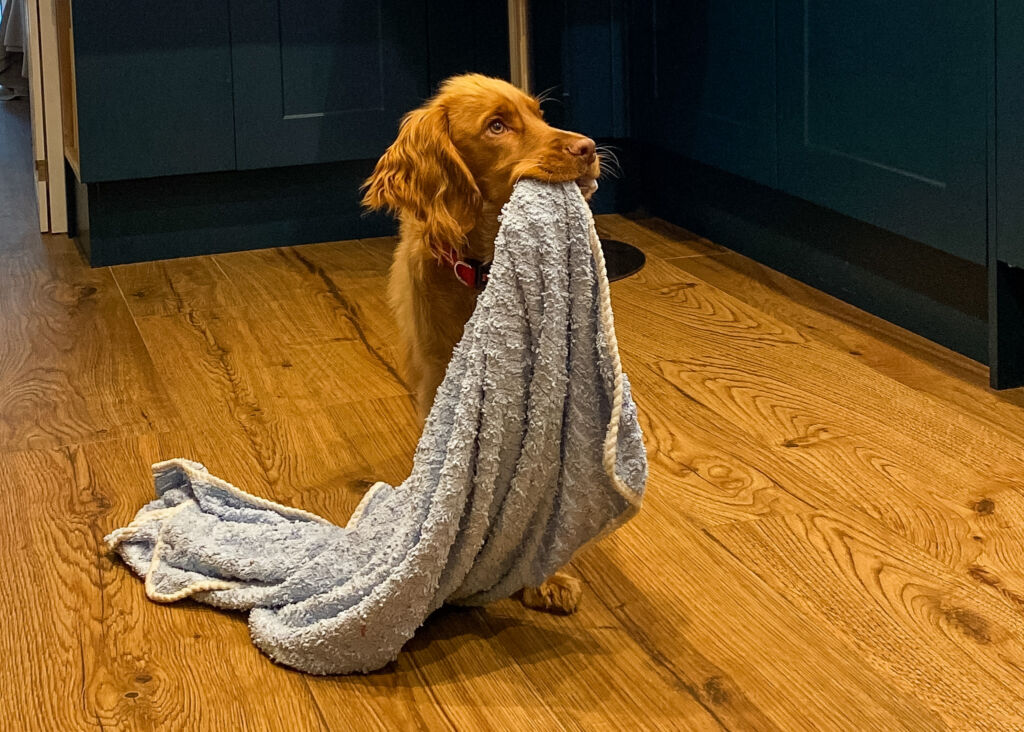
Medical care changes how a sit is evaluated. Even routine medication adds stress, particularly when it’s essential to the pet’s health. Sitters consider not just the task, but the consequences if something goes wrong.
Owners often underestimate this factor because medication has become part of daily life. For sitters, however, it introduces pressure, risk, and accountability in an unfamiliar setting.
Sometimes medical needs are new and temporary. If medical needs change before your sit starts, be sure to notify the sitter immediately. This allows both the sitter and pet owner to be comfortable with care. If the sitter is not comfortable administering medical care, you can find a suitable alternative with advance notice.
Why This Reduces Demand:
Medical responsibility increases perceived risk. Many capable sitters opt out rather than take on that responsibility. Especially when so many other pet sits are available to choose from.
How to Increase Demand:
Explain exactly how care is given and how the pet responds. How long does it take, and what contingency plans exist? Clearly separate what is medically essential from what is preferred. Does medication need to be administered at 6pm exactly or between 3-6 pm? Or is it a once a day medication that is much less restrictive? If its exact, explain the consequences of this need. If not, help ease the stress of a sitter and explain this. Confidence comes from clarity. Simplify steps to help avoid confusion. Have all medications and explain what each medication is for; have enough on hand or schedule deliveries while you’re away.
5. Feeding, Special Diets or Allergies
Pet Owner Demand Scale:
🟢 Low Demand: Standard feeding 1-2 times a day
🟡 Moderate Demand: Some restrictions or supplements. 3+ feedings a day
🔴 High Demand: Highly specific, prepared, or monitored diets & less than 8 hours between feedings
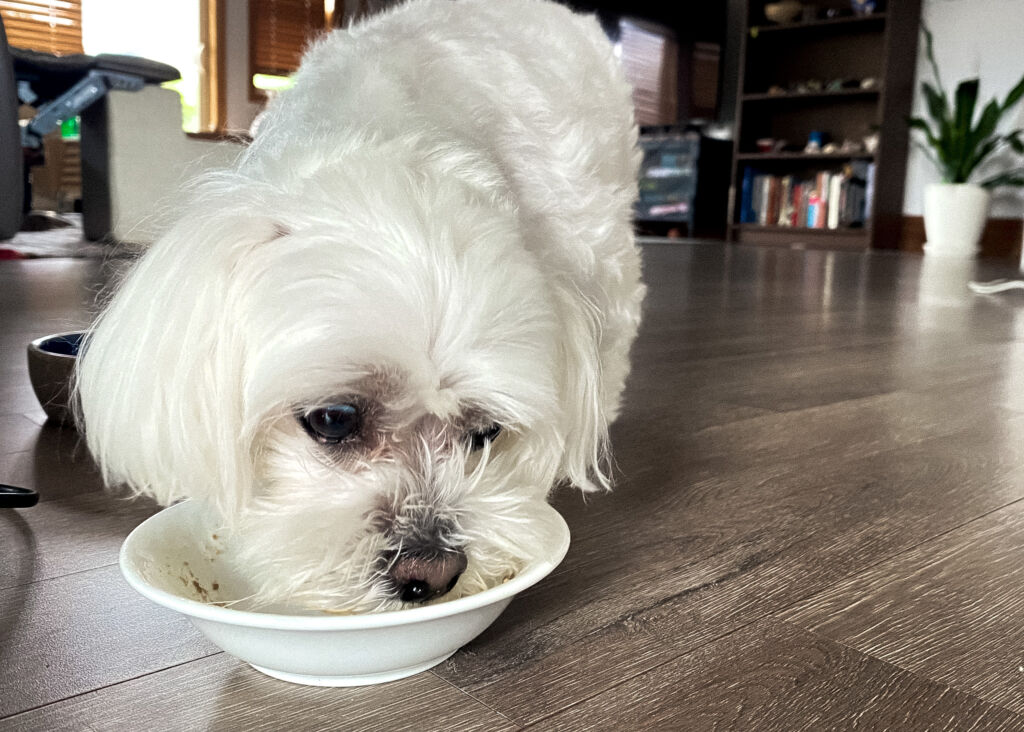
Feeding routines that require preparation, like heating, cooking, or close monitoring, add time and responsibility. While some sitters are happy to accommodate this, others will skip listings that make meals feel like tasks rather than a simple routine.
Allergies are more difficult to work around, but they are an extra concern that adds worry to any situation. What if a reaction happens during the sit, or the pet get into things?
Frequent feeding times impede on sitters’ schedules. Whether its to see local sites or attend work meetings without interruptions.
Why This Reduces Demand:
Special feeding increases workload and risk of error. Will errors in food preparation cause the animals not to eat? can this lead to more issues that take up more time? Frequent feeding schedules limit a sitter’s freedom to spend time away from the home and enjoy uninterrupted personal time. This may make it impossible to see local sites or meet work requirements.
How To Increase Demand:
Provide detailed written instructions, and clarify what is essential. Simplicity increases confidence. Consider freezing food if you cook fresh to reduce the sitter’s workload and lower the risk of error. But do not put in your listing that it’s simple. For you, it’s simple; for them, it’s not. This approach is a red flag.

6. Daily Routine Complexity
Pet Owner Demand Scale:
🟢 Low Demand: Flexible, adaptable routines
🟡 Moderate Demand: Structured but reasonable routines
🔴 High Demand: Highly time-specific or rigid routines
Daily routines determine how much freedom a sitter has while caring for your pets. When routines align with a typical day, sitting feels manageable. When routines require strict timing, early wake-ups, medication, late-night tasks, or multiple fixed windows, the schedule can feel restrictive.
Owners often underestimate this factor because their routines are habitual. This can feel like constant clock-watching to someone new, especially if they work remotely, attend classes, or rely on public transportation. The specific window you provide for the sitter to see the city may not align with their plans for that time.
For us, sits that require a midday feeding or a walk are not suitable. We don’t go out often, but when we do, we aim to be out early to avoid crowds, and we are often back by late afternoon. We are not night people, and we enjoy evenings in. But in some cities with theatre shows, firework displays, or light shows, free time in the evening, once in a while, would be appreciated. Consider what your sitters may do while visiting and how you can both reach a clear mutual understanding of schedules and routines.
Why This Reduces Demand:
Highly structured routines limit autonomy. Sitters often skip listings that appear incompatible with their normal daily routine or with what they plan to do if assigned to your sit.
How To Increase Demand:
Identify which tasks truly require precise timing and which allow flexibility. Clarifying this distinction makes the sit feel more livable without reducing care quality. Think about a time when you had a visitor and how their time with you was spent to help you set realistic routines. Consider bus schedules, distances to must-see places, and the time required to see them properly.
If you’re next to a Disney park, a sitter would not have time to explore such an attraction in 6-8 hours. So be realistic and consider how to accommodate a sitter to provide time out to explore nearby attractions.

7. Exercise and Walk Requirements
Pet Owners Demand Scale:
🟢 Low demand: Short or optional walks
🟡 Moderate Demand: Standard daily walks (20–30 minutes), 1-2 times a day
🔴 High Demand: Long walks (60+ minutes) or multiple daily walks
Daily exercise is expected for most dogs, and sitters understand that responsibility. Walking cats is a bit more unexpected. What changes demand is not whether a dog needs walks, but how much time those walks take, how physically demanding they are, and how flexible the expectations are.
Longer or more frequent walks require physical ability, time, and tolerance for weather. This may be 5 feet of snow, heavy constant tropical rain, 45 degrees celsius or -40 degrees celsius. While some sitters actively seek energetic dogs, most compare listings side by side and gravitate toward sits where exercise requirements are reasonable and don’t dominate the day. When walks are long, frequent, or tied to strict times or routes, they can significantly limit a sitter’s ability to work remotely, run errands, or explore the area.
Even the terrain of your area will matter. Are you near a park and green space in a flat area? Or in the city centre with steep hills, with no sidewalks? This influences decisions about how much energy the sitter will need for your pet.
Why This Reduces Demand:
Higher or inflexible exercise requirements narrow the pool of sitters who are both willing and physically able to meet them, especially when those requirements take up a large portion of the day or exceed some sitters’ physical abilities.
Dogs do not always respond well to additional exercise, and if you leave sitters uninformed, they may end up an hour from the house when your dog decides they are done and refuses to move.
How to Increase Demand:
Be realistic rather than aspirational. Clearly distinguish what exercise is necessary for your dog’s well-being versus what is ideal. Highlight flexibility in timing, routes, or alternatives such as backyard play, off-leash areas, mental enrichment, or nearby parks that make meeting exercise needs easier. Be clear in both the minimum and maximum times your pets usually spends outside.
Make sure to explain how to prepare for walks, maybe waterproof hiking boots are needed for muddy, rainy areas. Winter layers and boots for snow filled walks or light airy clothing for humid filled cities with 40 degree celsius day time lows.

8. Time Pets Can Be Left Alone
Pet Owner Demand Scale:
🟢 Low demand: 8–10+ hours left alone
🟡 Moderate Demand: 6–8 hours left alone
🔴 High Demand: Under 4 hours left alone
Only recently has THS allowed pet owners to determine up front how long they are comfortable having sitters leave their pets alone for. This factor has unfortunately left more sits unfilled, vs filled. This conversation previously wasn’t had until a video call took place, which meant it wasn’t a factor that affected applications. It now is.
Sitters plan their lives around the limits pet owners state, not around assumptions of flexibility. It’s best to consider how long it will take a visitor to get to attractions in your area and the typical length of a visit. For most homes on THS, it takes 1+ hour from door to door to get to an attraction, even in central London or Paris. That’s 2 hours on just transportation. If a visitor doesn’t have free time to explore nearby tourist attractions, the demand for your home drops dramatically and is seen as unreasonable.
Sitters would rather pay for a hotel than give up their free time with erroneous restrictions put on their travel. Especially if they are required to come back and forth to your home multiple times a day at an additional transportation cost to them. Sitters should spend the same amount of time with your animals as you do. When pets get accustomed to constant company during a sit, they may struggle more when owners return, leading to increased anxiety or acting out.
Why This Reduces Demand:
Strict limits restrict sitters’ independence and daily functionality and ability to explore the area. Such limits do not make the monetary investment in getting to a sit worth while nor an equal exchange of value. Sitters need to be able to see and do what they want in the city to make a visit worth their investment.
How to Increase Demand:
Mirror what you actually do. If your pet regularly stays alone for six hours without issue, say so. If you work an 8-hour job out of the home, your pets’ regular schedule can be suitable for many sitters. Even if less time away from home is preferred. Clearly state which hours matter most, or hire a dog walker or short home cat visits to allow sitters to go out and see more. Especially if nearby attractions require a full day to visit, such as a theme park, castle or hike.

9. Length of Stay vs Overall Value
Pet Owners Demand Scale:
🟢 Low Demand: Stay length reasonably aligns with effort and costs, Per day spending including flights is similar to the sitters regular life.
🟡 Moderate Demand: Effort and cost to reach stay are acceptable tradeoff with regular daily spending being moderately higher than the sitters average daily spend, but worth the effort
🔴 High Demand: Stay is too short or inconvenient relative to travel and effort. The location and cost are not worth the time and investment required.
Sitters often see more value in a sit when it makes their per day costs lower than their average daily spending. Sitters weigh the effort and cost required to reach your home against the total value of the experience.
It doesn’t make financial sense for anyone to pay more to get to your home and watch your animals, if its cheeper to go stay at a hotel in a better location. Especially because pet sitting takes up a significant portion of a sitters free time.
For many, its more cost effective to rent an airbnb for a full month, than to go to a short pet sit. Even when pairing 2 sits in a city together in a month, a 4-7 day gap in between stays can cost more than a full month elsewhere. Short stay accommodations are much more costly than long term stays. Sitters don’t just compare pet sits with other pet sits, they also compare them with easier, simpler, and cheaper travel options. Regardless if the sitter is a local or foreigner. Is your sit valuable enough for sitters?
Why This Reduces Demand:
It takes time to settle into a home, understand the pet’s behaviour, and feel comfortable in the space. Constantly moving between locations, packing and learning new routines takes a lot of effort.
Sitters need to think about what comes next almost immediately for a short stay. Whether that means securing another sit, paying for temporary accommodation, or adjusting travel plans. So sitters naturally filter out shorter stays unless they fit into an existing plan.

Attracting the Best Sitters Means Balancing Demands and Value
No sit is perfect, and no listing will score “low demand” on every factor. That’s okay. The goal isn’t to eliminate every challenge. The goal is to ensure your demands are reasonable relative to the value you offer. Experienced sitters are weighing pet care responsibilities, travel effort, and daily lifestyle expectations before committing.
To attract top sitters and earn glowing reviews you need to be flexible where you can. Small adjustments in routines, communication, expectations, or arrival logistics can dramatically increase interest.
Make sure to highlight value. Showcase your pets, home, location, and activities. But over all communicate clearly. Making sure both parties have the same understanding of how things should go. Provide transparent instructions with clear expectations and support to reassure sitters that they’ll be trusted and well-equipped.
By thoughtfully managing your demands and maximizing the lifestyle value of your listing, you increase the likelihood of quick, enthusiastic applications from skilled, reliable sitters. In other words, the stronger your listing feels, the more sitters will choose you amongst the options, and not just any sit.
Remember, it’s not about lowering standards, it’s about matching effort with reward so your pets are cared for, sitters are happy, and your listing thrives. Exchanges should be equal. If you are thinking of trying pet sitting, start here with our article Is House Sitting Right for Me? to see if it is the right fit for you.
If you are new to Trusted Housesitters, feel free to use our referral code to get a discount on your annual membership fee.
There are so many more factors to consider that can keep your sit form getting applications. So we have made a Part 2 and Part 3 to help Pet Owners make the best listings possible and get sitters applying quickly. If your sit is still unfilled, see Part 2 to get more tips on attracting sitters.