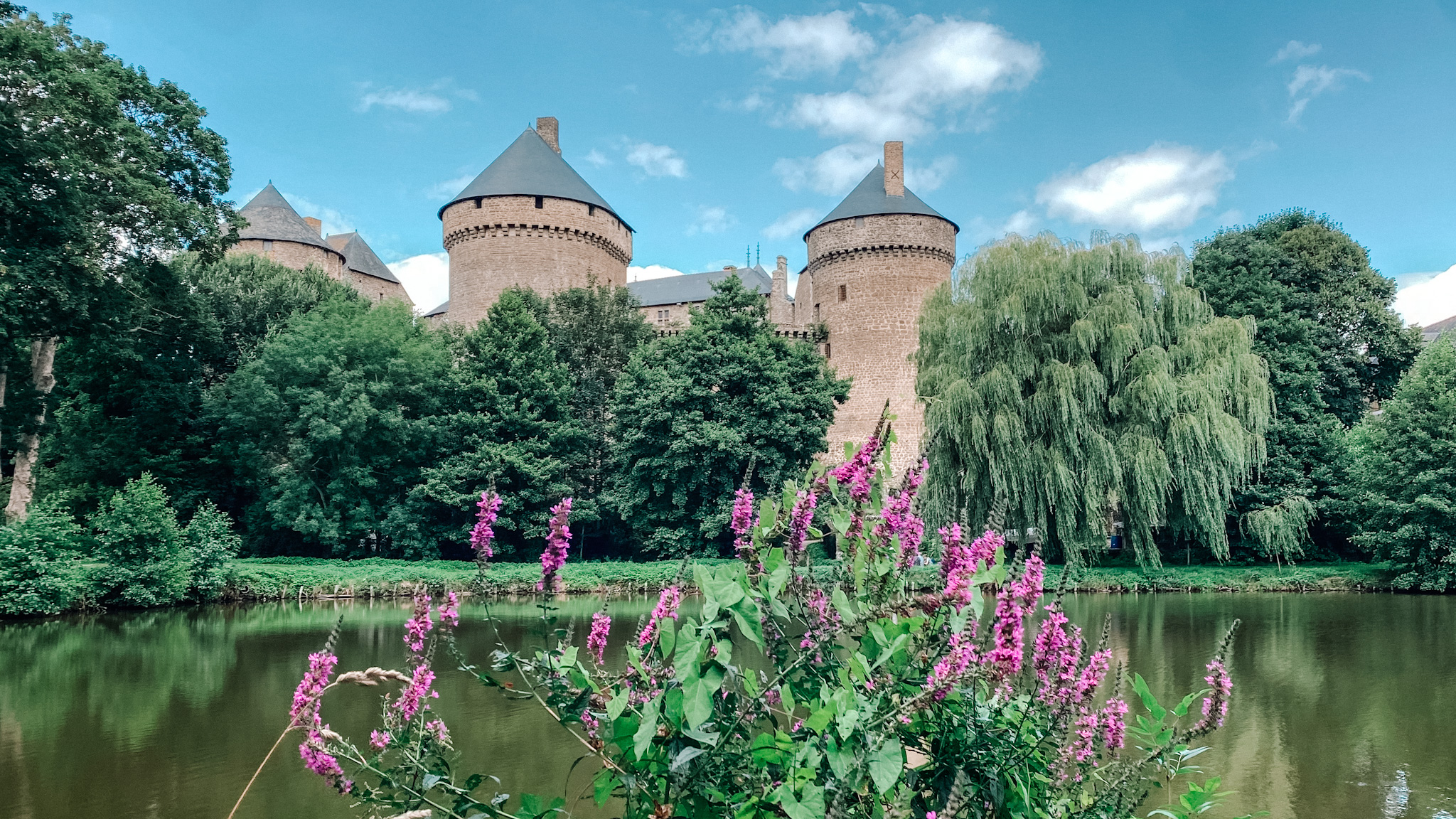
Dark clouds loomed on the horizon that morning, and we wondered if our castle visit would be a washout. Luckily, the rain held off just long enough for us to explore. It felt almost as if Château de Lassay (Castle Lassay), a hidden gem in the Mayenne department of the Pays de la Loire region, was welcoming us in.
Visiting this medieval fortress and its charming town, just south of Normandy, was like stepping back in time. With hidden passages, centuries-old trees, and stone walls that seemed to hold a thousand stories, it was the perfect mix of history and atmosphere for a day trip from Normandy.
It all began with a casual conversation about nearby castles or châteauxs. We were visiting friends in Normandy, and this one popped up on Google Maps. Honestly, sometimes the best discoveries happen this way. My mind immediately raced through images of moats, towers, and drawbridges. But we had to temper our hopes. After all, we had dreamed of visiting several castles and châteaux only to find out they were private homes. Many were beautiful from the outside, yes, but off-limits to wandering visitors.
One of the few Mayenne castles still open to visitors, Château de Lassay is a must for history lovers. The best part was that the first and last tour of the day got to operate the drawbridge. We were ready to explore this hidden gem and the storybook town that time forgot.
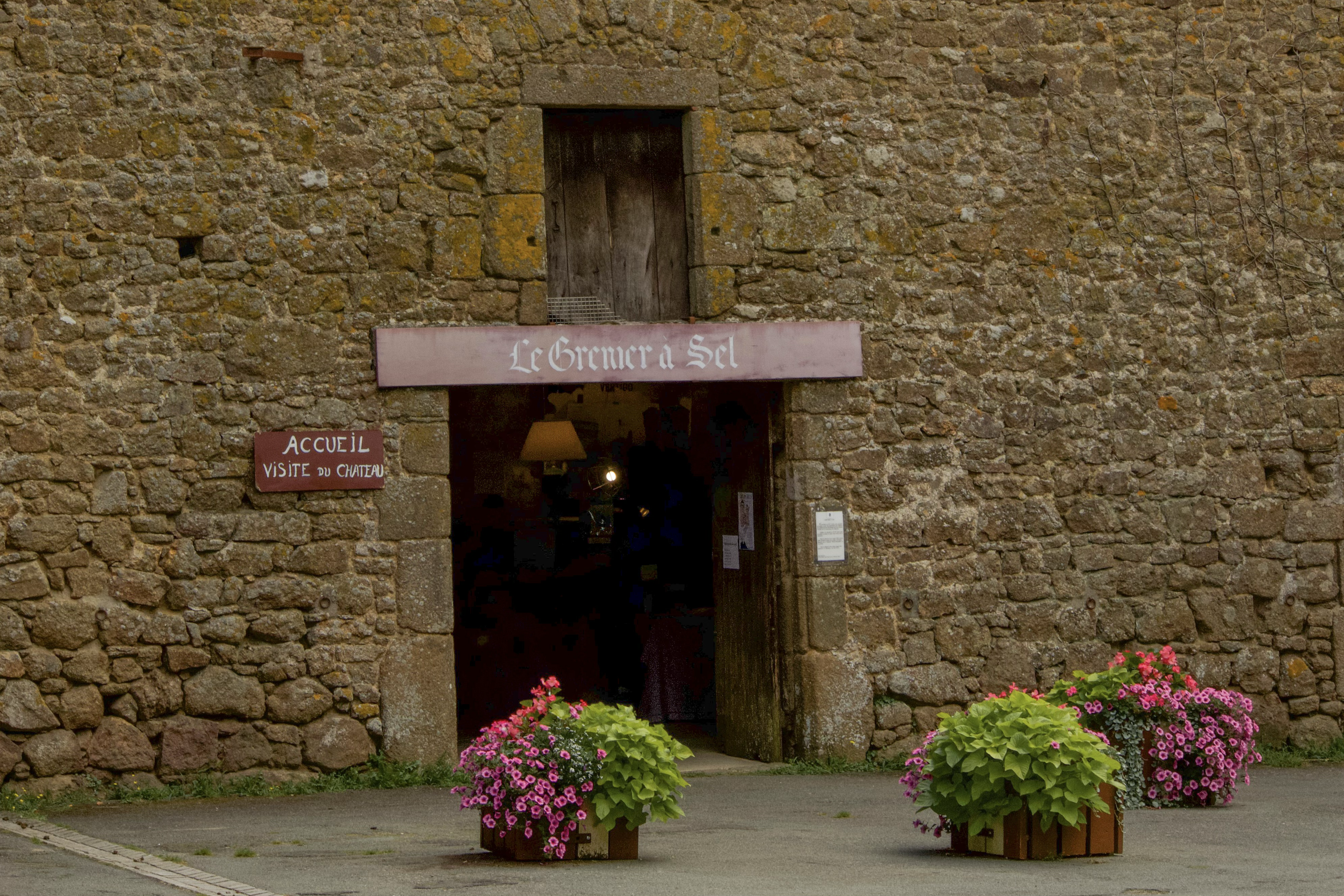
Tickets, Parking & The Drawbridge
The adventure began the moment we stepped into the gift shop across from the castle entrance. This is where you can purchase tickets. Pre-Purchase is also available online. Making sure the guide knew exactly why I was here. The words tumbled out: ‘I need to operate the drawbridge!” No subtle hints, no waiting for later. With our tickets in hand, I could practically see myself holding the ropes, lowering the drawbridge, and feeling that medieval thrill firsthand. If you love medieval history, the drawbridge experience in France at Château de Lassay is not to be missed.
Tickets cost 8€, and the tour lasts about 1 to 1.5 hours, depending on your group’s pace. The guide must accompany you to unlock the Château de Lassay door. So don’t try sneaking in, trust me, I thought about it! Once our guide called everyone over, we handed over our tickets. If you bought them online, printing might be safer, as digital acceptance wasn’t entirely clear.
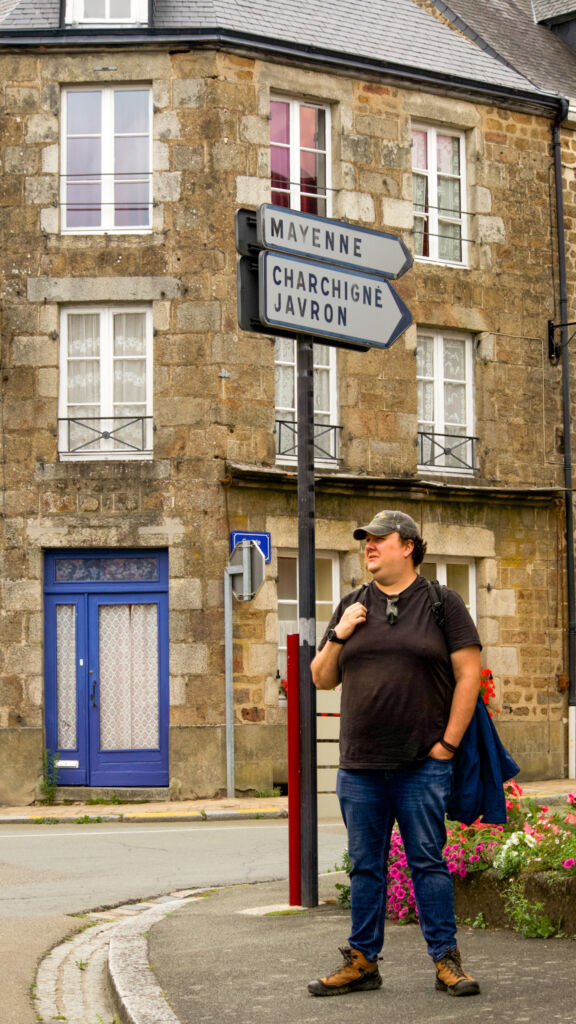
Parking is straightforward, too. You can park near the castle, though there’s more space in the center of town or at the main lot behind City Hall. Multiple well-marked signs guide you, so finding a spot is easy even during busier times.
Visitor Tips for Château de Lassay
Tickets: €8 per person. Tours last about 1 to 1.5 hours. The castle is only accessible with a guide.
Booking: Tickets can be purchased online or in person at the gift shop across from the castle entrance. Printing online tickets is recommended.
Parking: Available near the castle, in the town center, or at the main lot behind City Hall. Signs are well-marked.
Drawbridge Experience: Volunteers can operate the drawbridge with guidance from the staff. Two people are needed to safely lower or raise it.
Arrival Tips: Avoid asking locals for tour guidance before the gift shop opens; staff or residents may not have accurate info.
Timing: Arrive at least 10 minutes before the tour to settle in and get ready for your castle adventure.
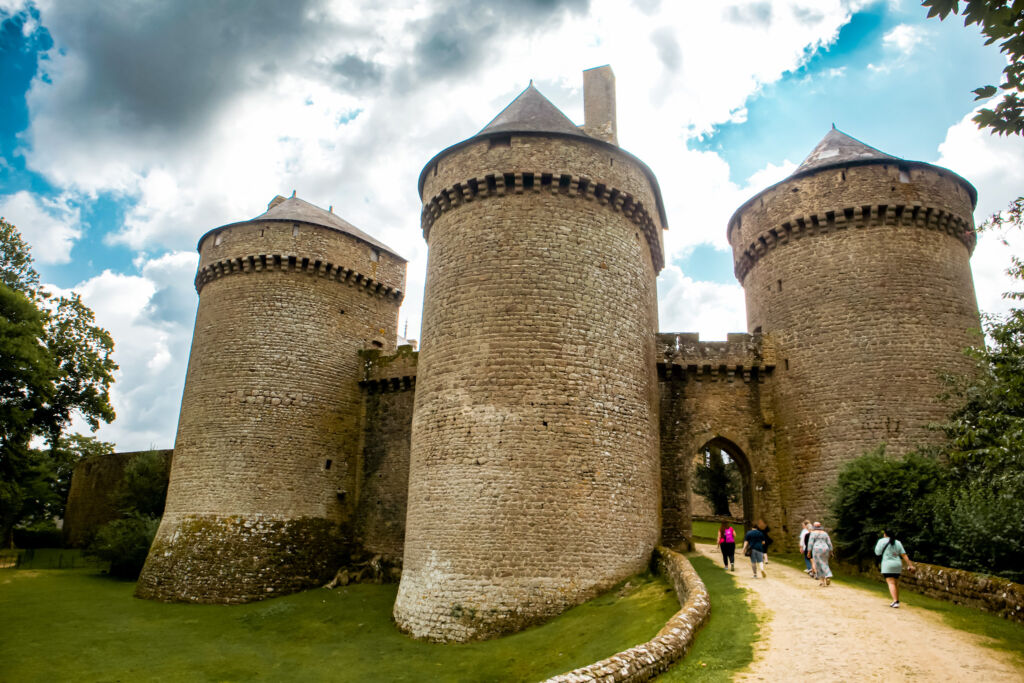
Our Guide: Castle Introduction
Our guide, a young French woman practicing her English, met us at the entrance with a delightful mix of nervous charm and quiet confidence. She paused occasionally, searching for just the right words, determined to make sure we absorbed every detail. I found her utterly endearing. She genuinely wanted us to understand the castle’s history, not just glance and move along.
Château de Lassay dates back to the 12th century. Yet, it got destroyed during the Hundred Years’ War when its owner sided with England. By order of the King of France. It was rebuilt in 1459 by his son, Jehan II, as a way to salvage the family name. It’s one of the few castles in Mayenne that remains almost completely intact. It felt like being transported 600 years back in time when walking through the gates.
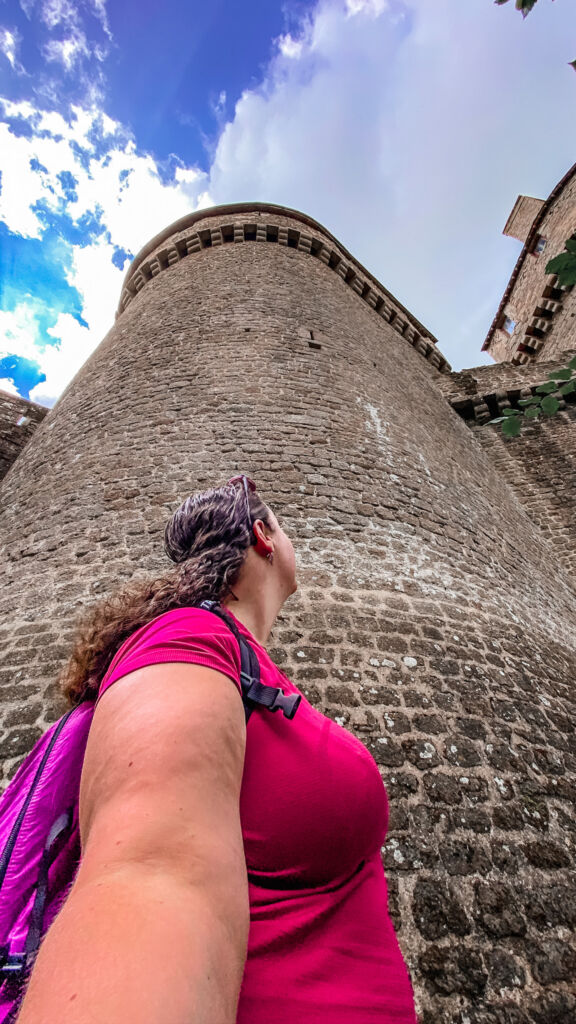
The moment we passed through the first gate, I thought, This is it, the castle!. I was so sure this was the main entrance that I almost missed the details our guide began pointing out. It turns out I had only entered the Barbican. The outer defensive perimeter, not the Château de Lassay itself. Cue a mix of embarrassment.
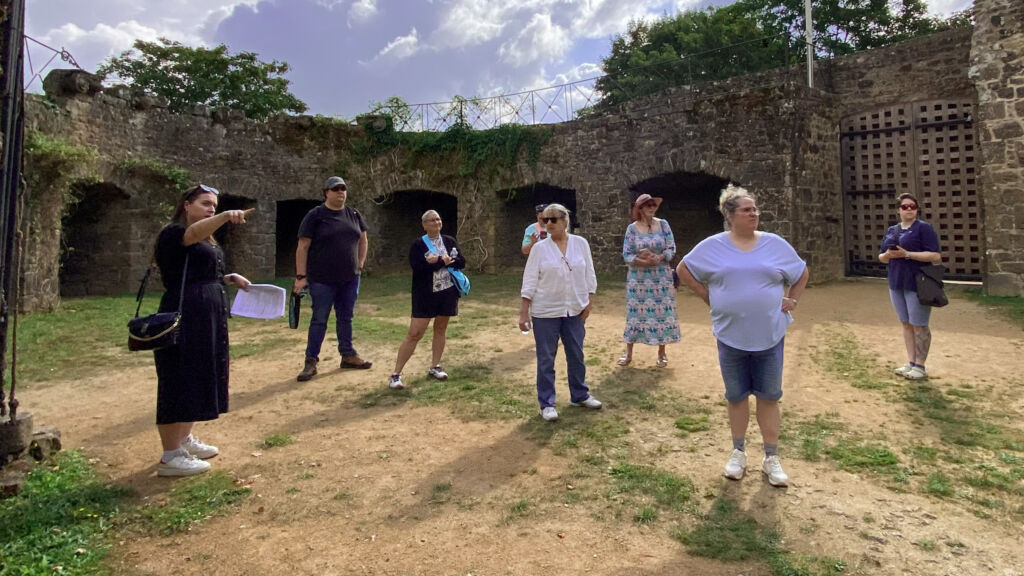
Entering the Castle: Or so I thought
She explained the three-level defensive design of the Barbican and the nine lower bunkers for archers. She pointed out the clever positioning of cannons, and I realized that we were eye level with these cannons. That made my stomach flip. The cannons weren’t just scattered randomly. They were lined up perfectly with the area where we were standing. If this had truly been a medieval siege, anyone standing right there would have been in serious trouble. It felt almost surreal, standing casually in a place that could have blown someone away in another era.
I could admire the medieval architects’ foresight and how attackers would have been funnelled into vulnerable positions, how the drawbridge served as both gate and weapon. It was stepping into centuries of defensive ingenuity. Would someone from the Middle Ages have been confused like me when entering the Barbican, thinking it was the castle?
The Drawbridge: My Medieval Moment of Glory
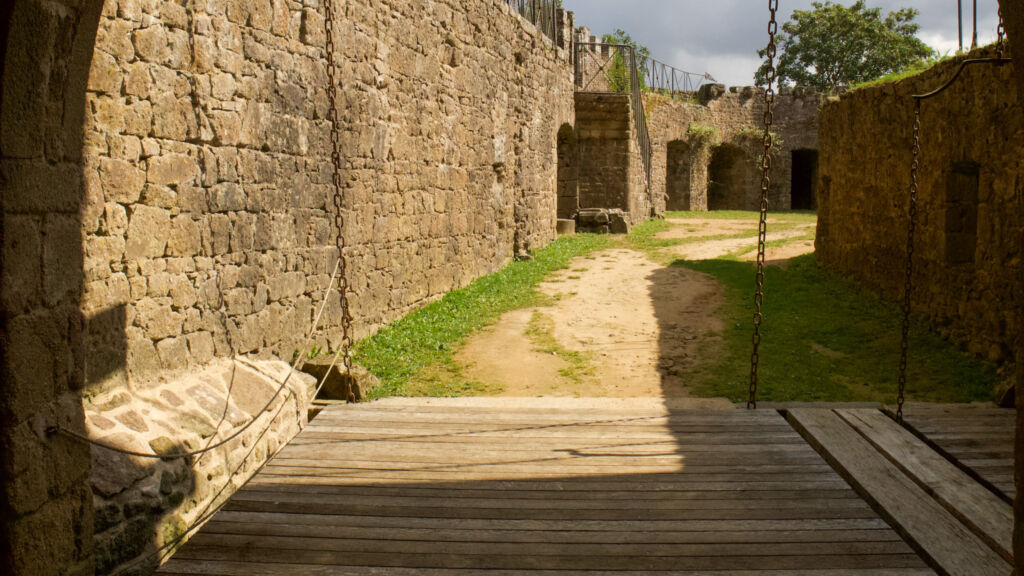
The main attraction. To raise or lower the drawbridge, you need two people. When the call for volunteers went out, boy, I was ready to answer. I had my hand as high as possible to make sure it was known that I wanted this. I may or may not have also been on my tiptoes. So it felt like I was back in high school. I needed to be picked first. Apparently, I was the only eager one because we needed to sway a second person.
“With a bit of teamwork, we lowered the heavy bridge, I actually got air!”
We went across the pedestrian bridge and, in a dark area, were given directions on how to slowly lower the larger horse and carriage bridge. With ropes, counterweights, and a bit of teamwork, we lowered the heavy bridge until it thudded into place. When the bridge swung open, I actually got air. Hopefully someone caught it on camera. If you’re headed here, try for the first or last tour to get the full experience. And by full, I mean better.
Now, pass through this gate, which takes you to the courtyard.
Courtyard Wonders
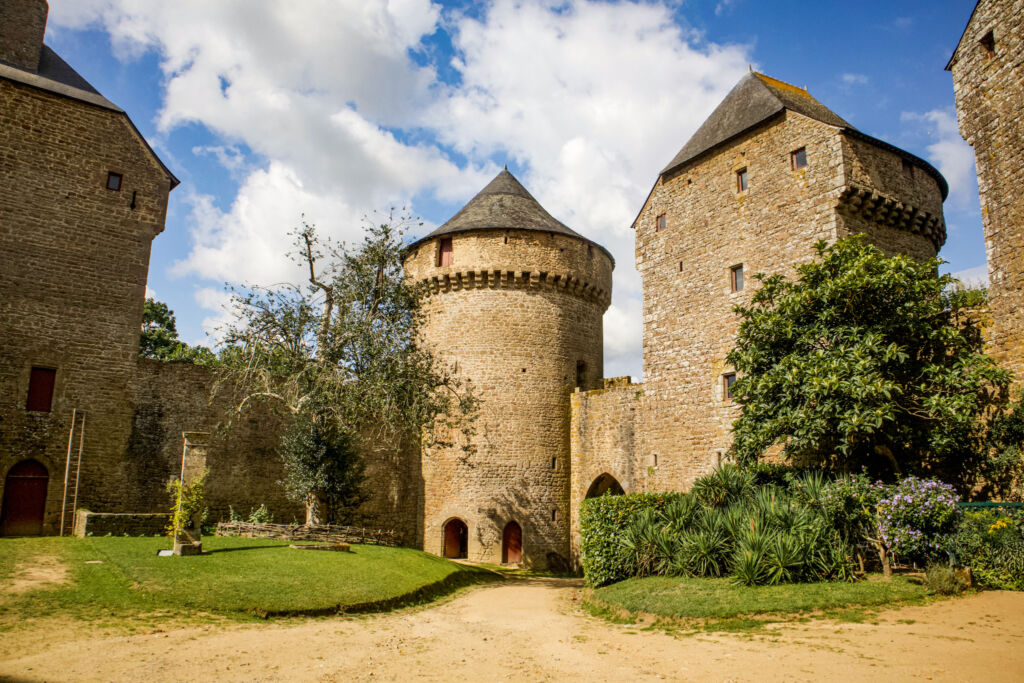
The center courtyard of the castle is where you can find the 6 independent towers and the main building. They are connected by a rampart. Nothing is connected to the inside of the towers, meaning they are all independent buildings.
We also learned here that the definition of a dungeon during the Middle English times or Old French times meant the tallest part of the interior of the castle. Now we often refer to it as an underground prison cell. So when we were asked to guess where the dungeon was, we all pointed to areas going underground, while the castle actually has no dungeon. Why? Because all the interior towers are of the same height. So, without one being the tallest, there can’t be a dungeon.
The Château de Lassay is a rare example of a fortified medieval castle with no central donjon and hence, no traditional “dungeon” in either the medieval or modern sense. Instead, it presents a ring of independent towers connected by ramparts. Modern expectations of a dungeon, as an underground prison, do not align with the historical reality of this site.
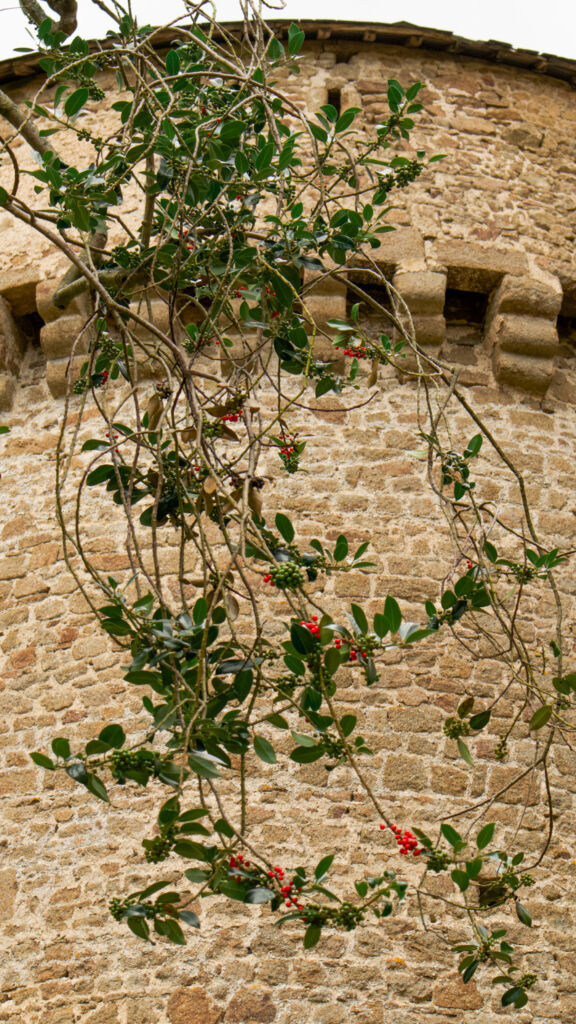
Also, here is where you will find the oldest Holly tree in France. It’s said to be more than 500 years old. Due to its age, the leaves at the top of the tree are no longer spiky. I have not seen this anywhere else; if you have, I would love to know where, due to its rarity.
Gardens & Sheep
When you wind through the walls of the castle and exit into the garden, you reach the exterior of the castle. Here you can see the discolouration of the walls, where attackers tried to break in but failed. Their attacks bounced off the walls and never punctured. A testament to the construction.
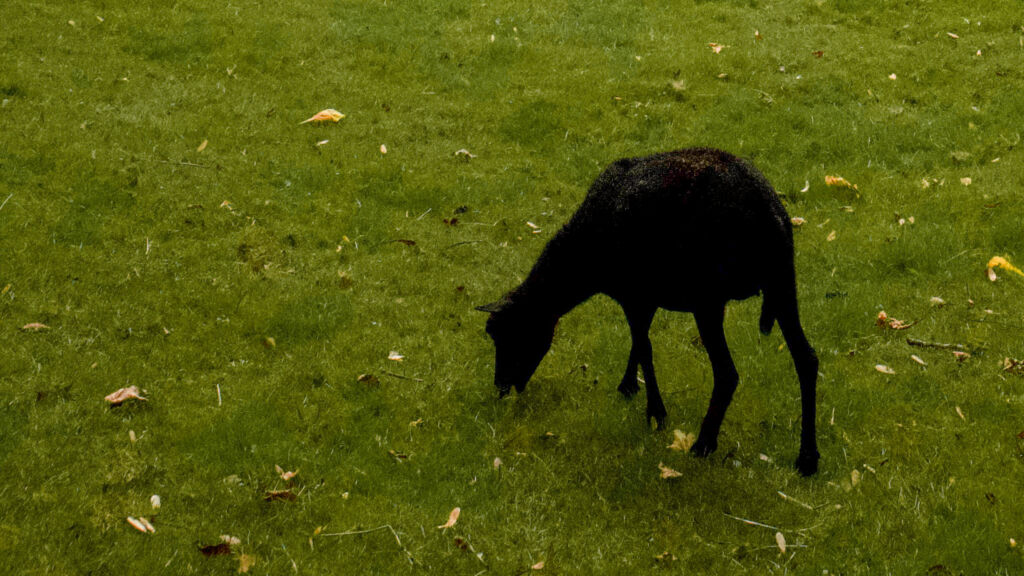
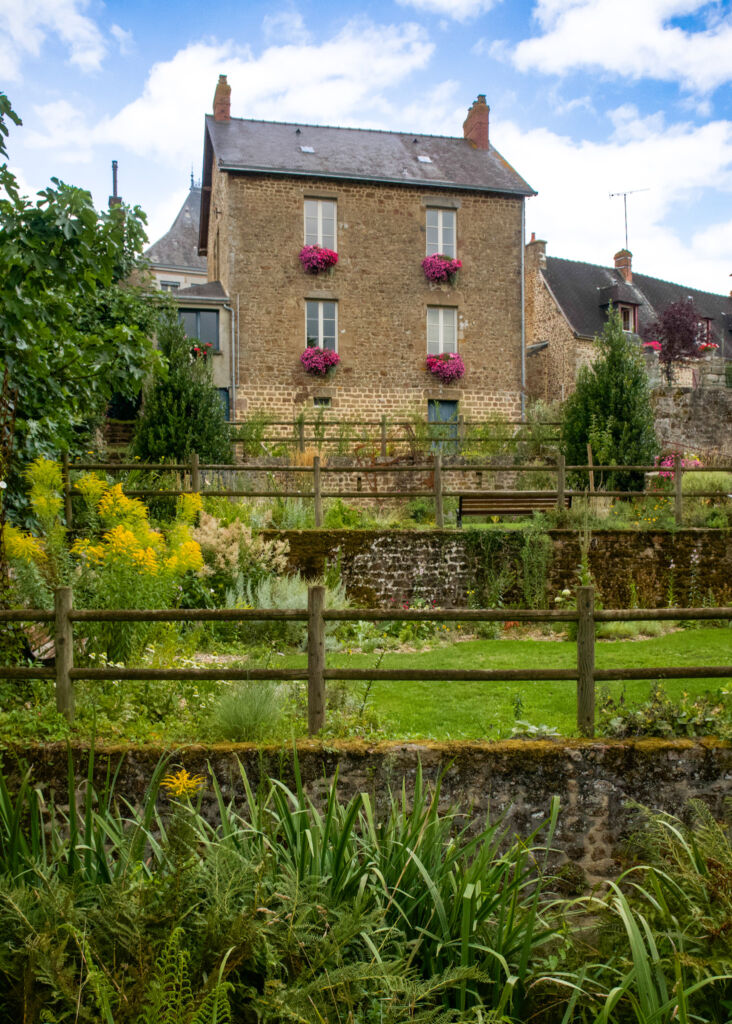
The garden was once a protective moat. Today, it’s a peaceful green space where Ouessant sheep graze as natural lawnmowers. Within the walled gardens, everything feels still and quiet.
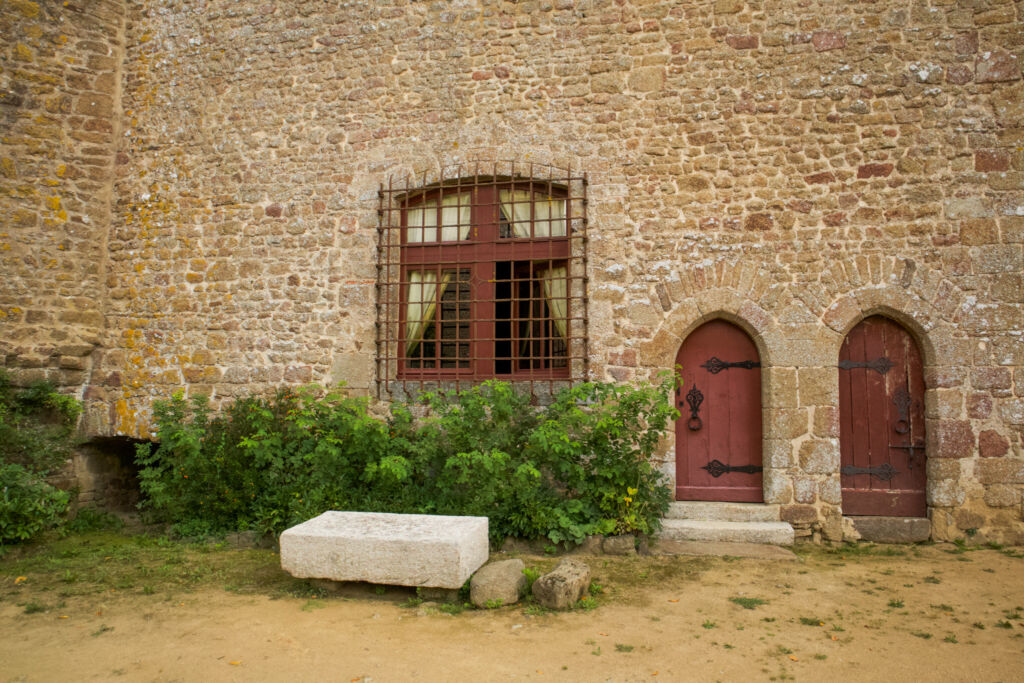
The Montalembert family still resides in the castle. As a result, pictures are prohibited, and guided access is allowed in only a few rooms. As we have no images to share, hopefully you can get an idea from my description.
Inside Château de Lassay: Kitchens, Bedrooms, and Hidden Corners
The Castle Kitchen: Granite Stove and a Fireplace Built for Cooking
The first interior room you enter at Château de Lassay is the kitchen. The most striking feature is the original granite stove, a huge block designed to be lit from underneath. Simple, solid, and surprisingly effective, it was the workhorse of the room.
Next to it is a wide fireplace with a sturdy iron spit for roasting meat. This was no cozy hearth; it was a serious piece of equipment. You can almost imagine the fire blazing, a cook carefully tending the spit as joints of meat slowly turned over the flames. It’s easy to picture this space filled with smoke, clatter, and the smell of food, an engine room of daily survival.
On the walls hang a collection of old copper pots and pans, their polished surfaces gleaming in the light. A few pieces of heavy furniture from the late Middle Ages and Renaissance sit in the room as well, the kind of solid practicality that reminds you this wasn’t a space for show.
And then, tucked into this practical space, is a painting with a story. I won’t give away the details here. It’s one of those surprises best left to the guide, but it added a layer of personality to the room that caught me off guard. Food has always been a serious business.
The Bedroom: Comfort Above the Kitchen
Directly above the kitchen sits the bedroom, cleverly placed so that the heat from cooking fires below would help keep the space warm. It’s a practical medieval solution to the chill of thick stone walls, and it makes you appreciate how nothing in at Château de Lassay was designed by accident.
The furniture here mostly reflects Renaissance style, heavier and more ornate than the utilitarian pieces downstairs. Walking into the room, you get the sense that this was a space meant for both rest and status, where comfort met display.
Later centuries left their own mark. In the 19th century, the window was enlarged and fitted with stained glass, adding colour and light that would have been unthinkable in the darker medieval interior. Around the same time, hand-painted strawberry wallpaper was added, an unexpectedly charming detail that softens the austerity of the room. It’s a reminder that even fortified castles eventually leaned toward beauty as much as defense.
Guarding the Gate: Inside the Armoury
Perched above the Château de Lassay entrance is the armoury, once an imposing two-story space designed to remind visitors that this was a fortress first and a home second. Inside, the collection is exactly what you’d hope to find in a medieval fortress: a blunderbuss, polished suits of armour, shields, lances, two-handed swords, and crossbows.
Each piece speaks to the practical side of life at Lassay. Our guide reminded us that armour wasn’t for everyone. It was costly, and only wealthier soldiers or nobles could afford to arm themselves fully. Most fighters went into battle with little more than basic weapons and determination. It was a practical detail, but one that gave context to the gleaming display in front of us.
Dining in Style: Wallpaper, Art, and Secret Doors
The last interior room on the tour felt like the castle’s grand finale. The 15th-century wallpaper stole the show, as sunlight and your viewing angle changed its appearance The bench was a clever double agent. Part seat, part storage, designed to travel from castle to castle. And then there’s the art: this room has the most captivating collection of paintings on the tour.
On our visit, a secret exit door was open, and the guide hurried to close it. My mind immediately ran wild with guesses. Was this the owner’s living room? A hidden passage? Escape route? All equally wrong. It was a fitting end to the interior tour. You have to take the tour to discover what’s behind the secret door.
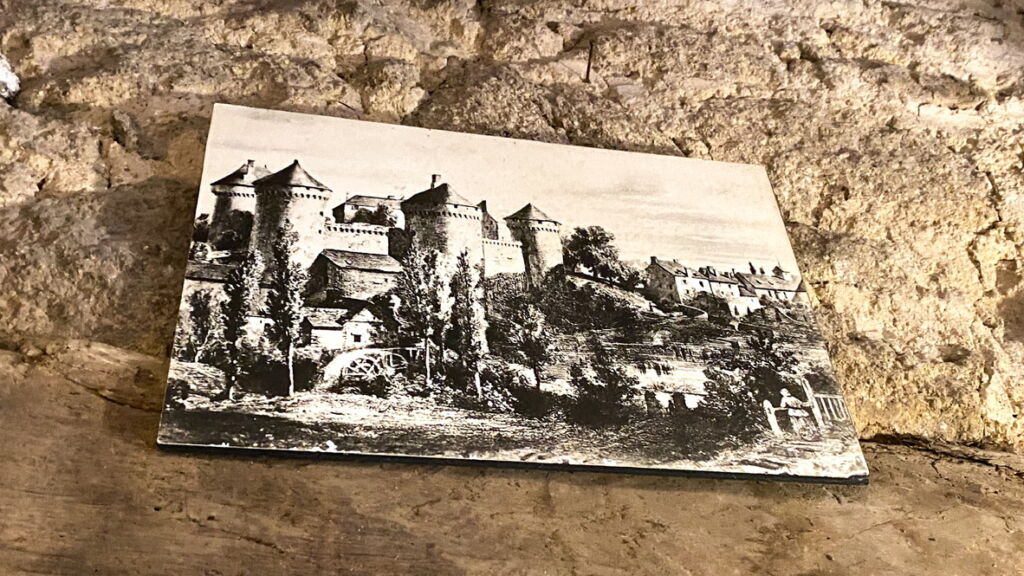
The Victor Hugo Bribe
By the end of the tour, we discovered that Victor Hugo once tried to get into Château de Lassay. It didn’t work. He was turned away. Like countless hopeful visitors before him, he attempted the age-old art of bribery. He made a detailed drawing of Château de Lassay to present to the owner. The drawing was accepted, but entry was still denied. Today, that very drawing hangs in the gift shop and ticket area.
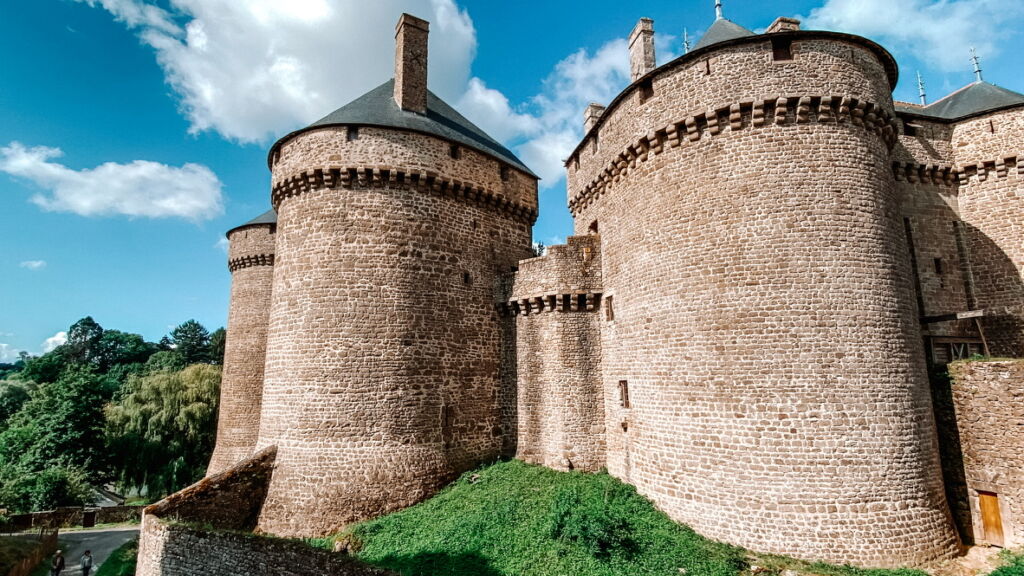
Goodbye Chateau – We Will be Back
Our tour was meant to last an hour, but with everyone moving at their own pace and me pausing at every corner to take it all in, it stretched to an hour and twenty minutes. By the time we finished, we were ready for lunch. We would circle back to see more of the castle once fed.
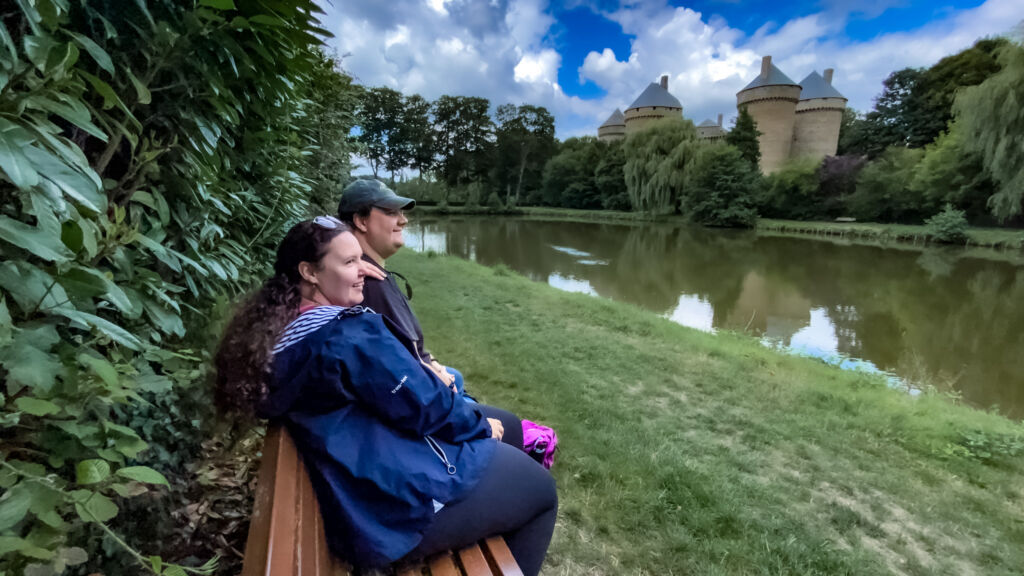
Lunch With a Castle View: Storybook Moment
Post-tour, we grabbed a baguette sandwich, mini pizza, and cookies from a local boulangerie. Sitting on a bench across from a pond with a full view of the castle, I felt like a character in a storybook. Ducks swam lazily by, families strolled, and the scent of summer flowers.
It’s funny how a simple lunch can feel so cinematic. For a few minutes, the modern world paused, and history, nature, and personal joy intertwined perfectly. Look at this picture and tell me it wasn’t perfect. A great thing to know is that the town has a free toilet near the parking area, which meant we could refresh before hitting the town.
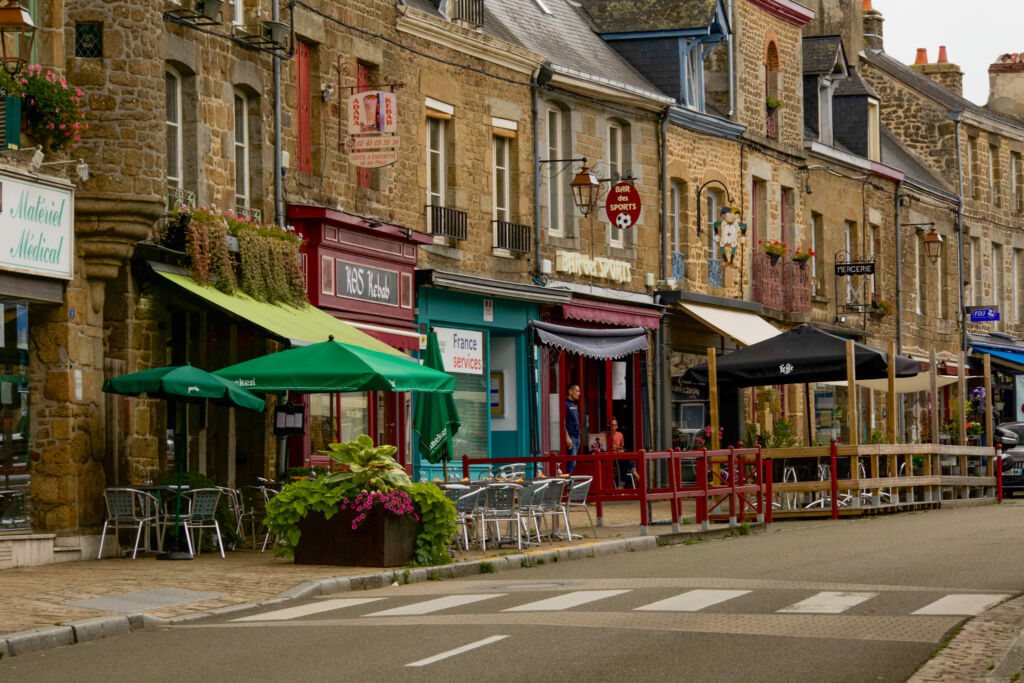
Exploring the Town of Lassay: Medieval Charm Meets Modern Life
Exploring the Town of Lassay: More Than a Castle
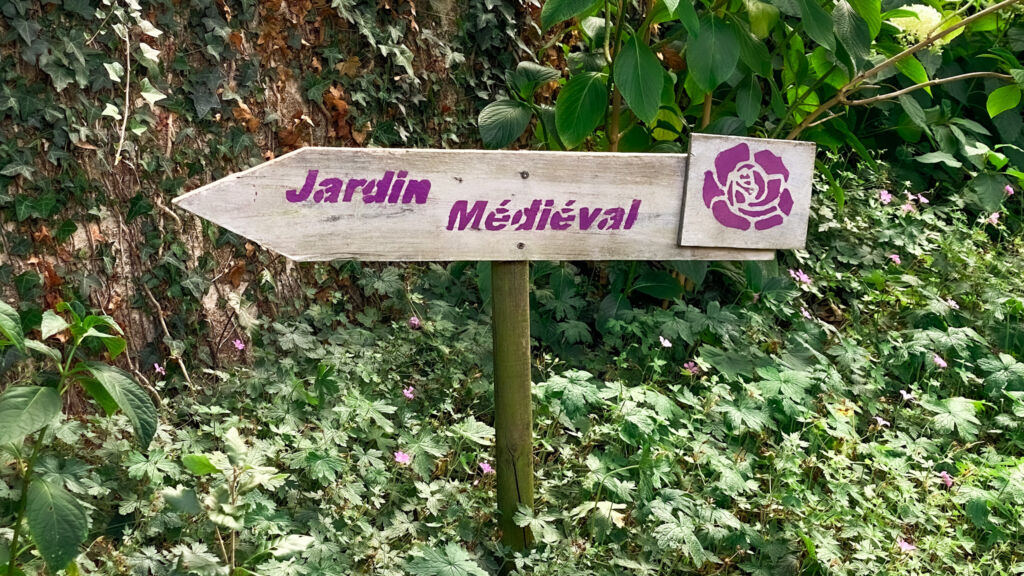
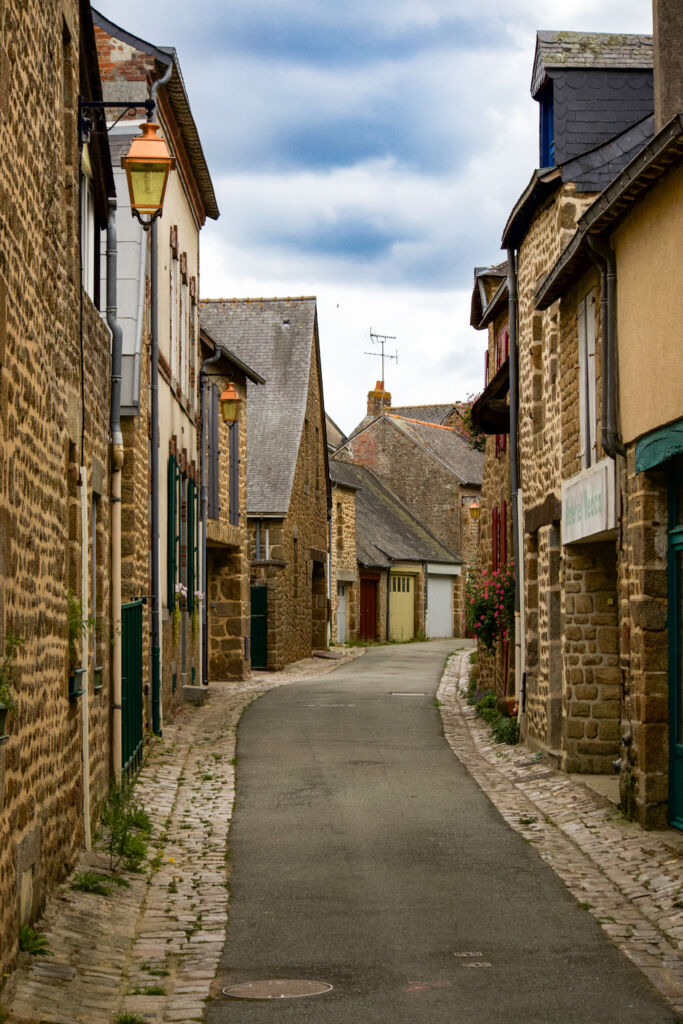
Lassay-les-Châteaux isn’t just home to one of Mayenne’s best-preserved castles; the town itself is a destination. After your castle tour, you can wander cobblestone streets, explore gardens marked by painted rose symbol paths, or set out on walking trails that lead straight from the ticket office. Between the Medieval Garden, the Roseraie, and paths that weave through the countryside, there’s more than enough to make Lassay a full-day adventure.
Medieval Garden
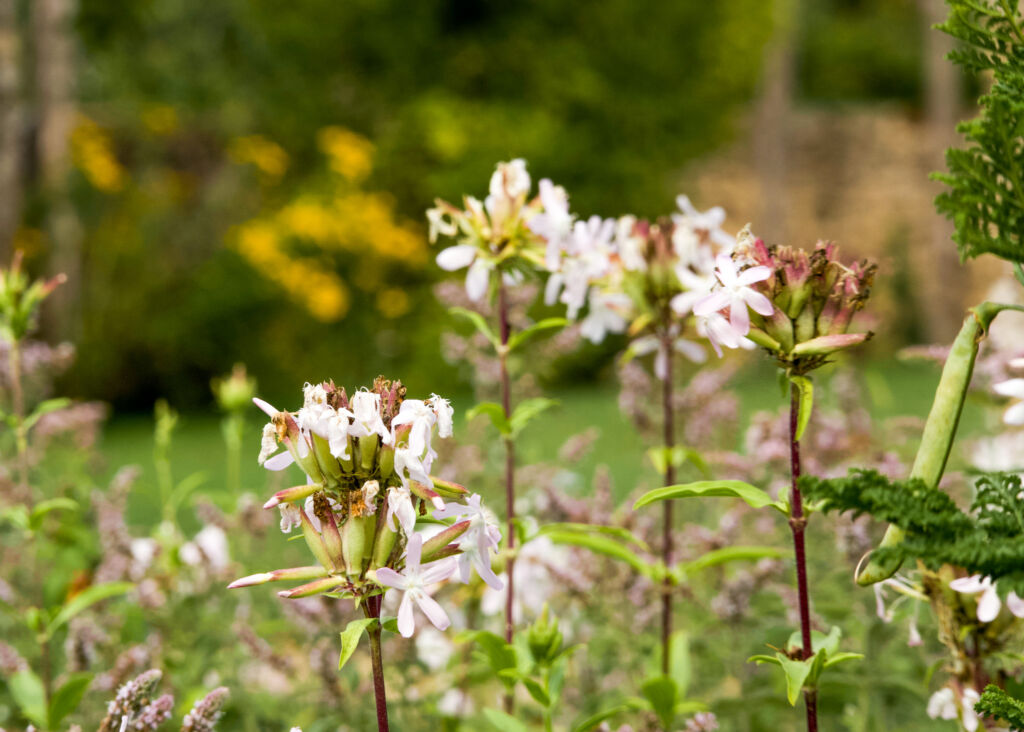
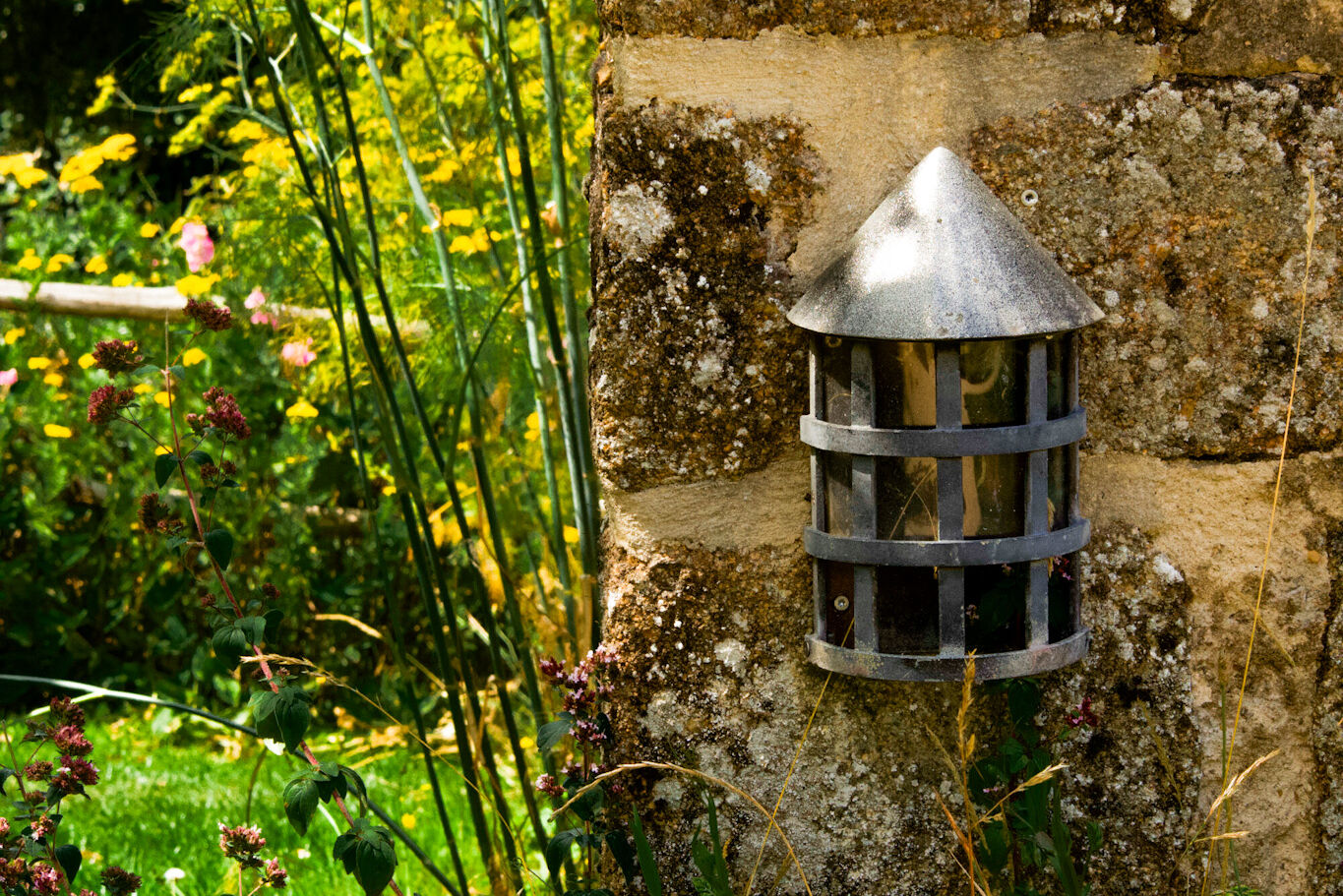
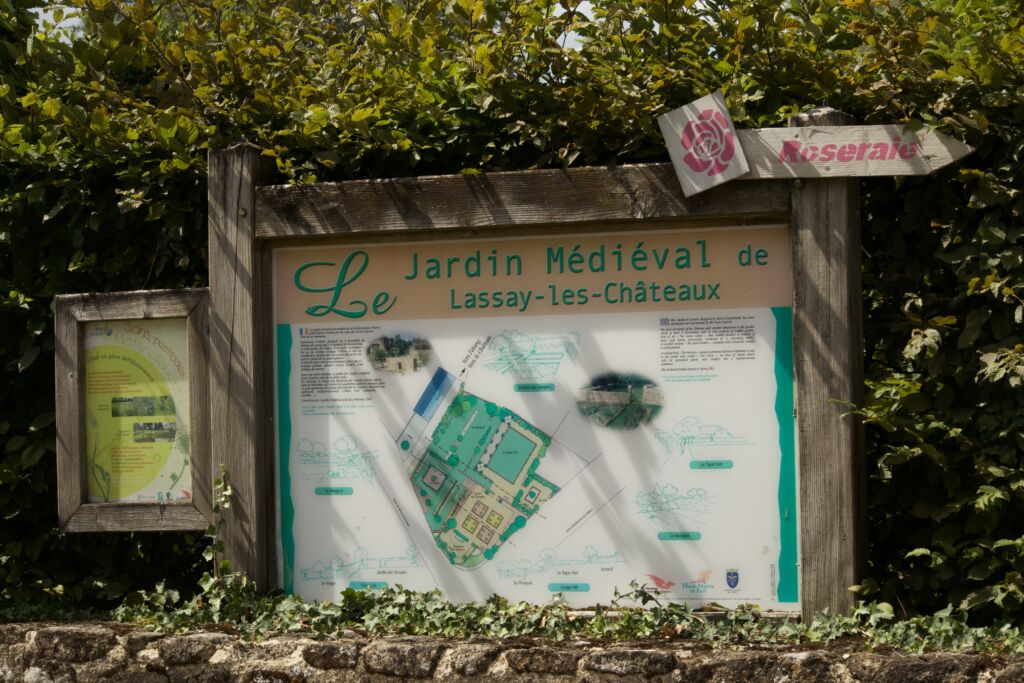
Follow the purple rose markers to Lassay’s Medieval Garden, where history and horticulture intertwine. The garden is divided into themed spaces: medicinal herbs, a vegetable patch, a rose and flower carpet, and even a Mediterranean shrub grove with a cute fountain. Each corner feels both curated and spontaneous, echoing how medieval gardens balanced beauty with function. It’s a peaceful, thoughtful space that feels timeless.

Roseraie (Municipal Rose Garden)
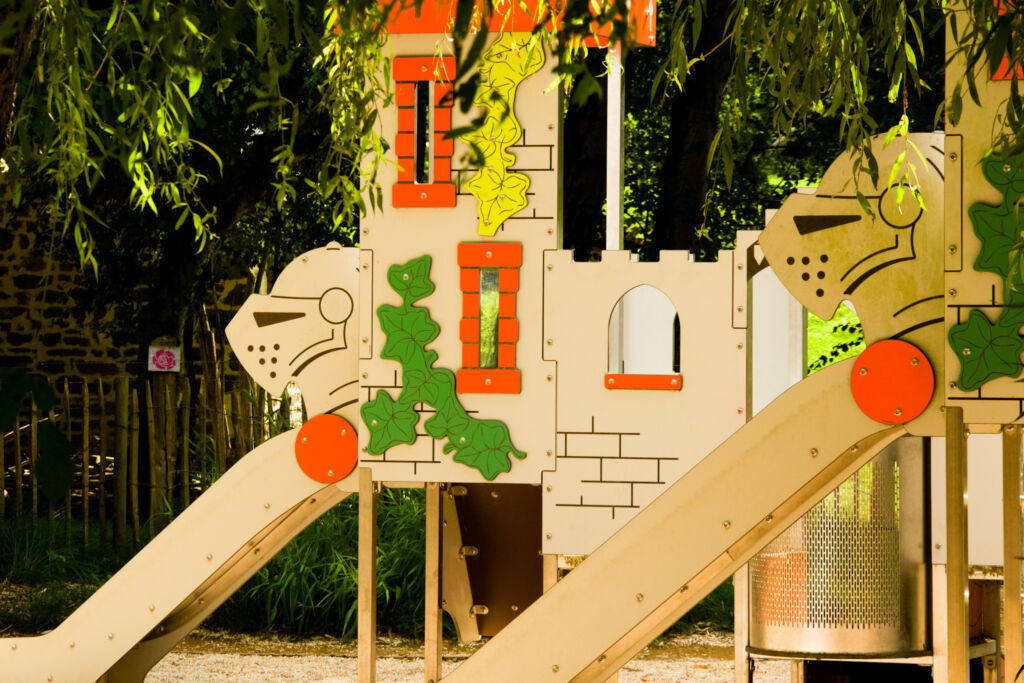
If more roses are your style, follow the pink rose markers to the Roseraie between the church and City Hall. A wooden pergola frames seasonal blooms, and benches invite you to pause and enjoy the colours. Families will appreciate the whimsical knight-themed playground nearby, while the church with its stained glass and tall spire, adds a dramatic historic backdrop.
Walking Trails
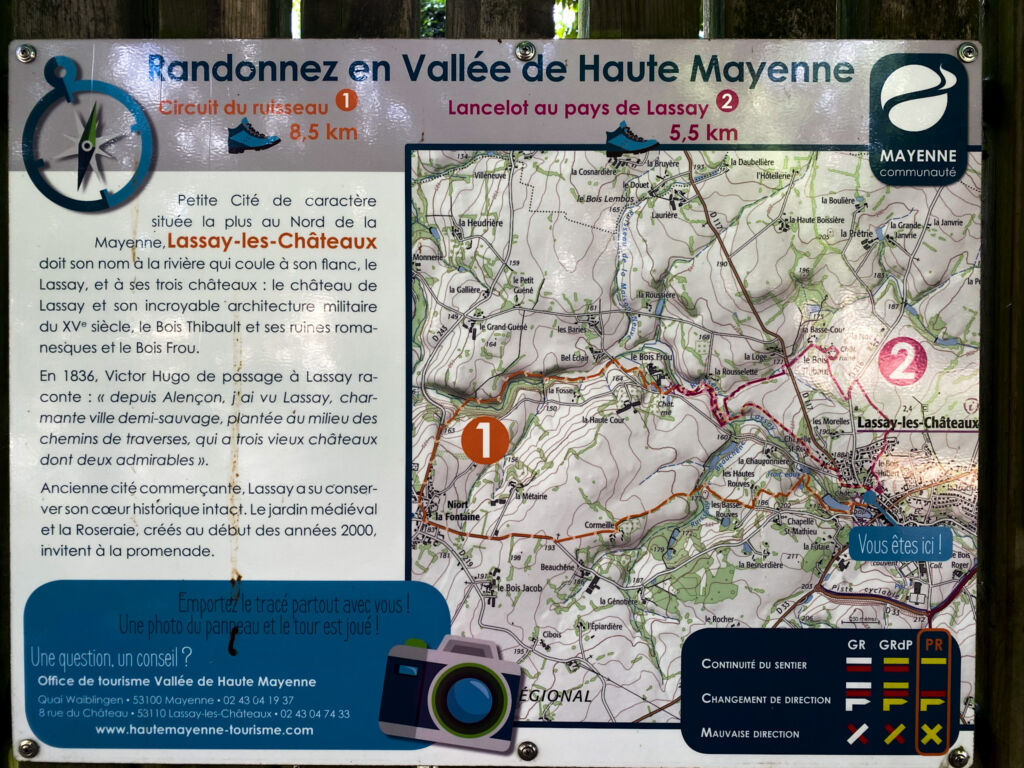
he town of Lassay has 2 marked trails that start from in front of the Château de Lassay ticket office. The map marks Trail One as Orange; its official name is Circuit du Ruisseau(Stream Circut 1) and it is 8.5 km in length. The 2nd trail is called Lancelot au pays de Lassay(Lancelot in the Lassay Region), is 5.5 km in length and marked with a berry coloured line on the map.
The trail markers along the route inform you of where the trail continues, when it changes direction and when you may be going the wrong direction. It’s best to take a photo before you hit the trail so you know what the symbols mean and so you don’t end up lost or off-trail. The trails overlap at this sign, which is located in front of the Château de Lassay ticket office. Meaning it’s a good place to start for either. Due to time, we missed both trails, but we wish we hadn’t.
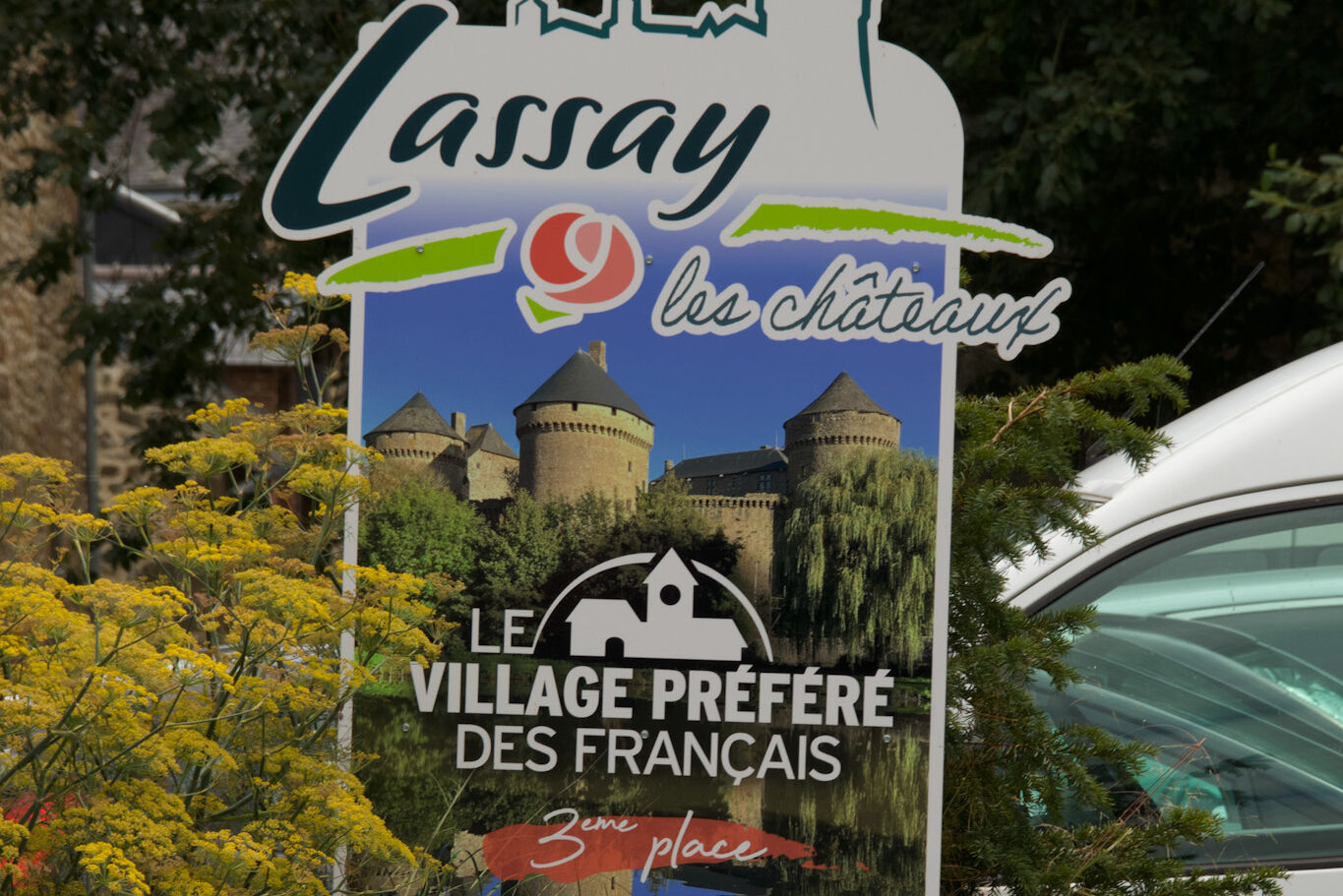
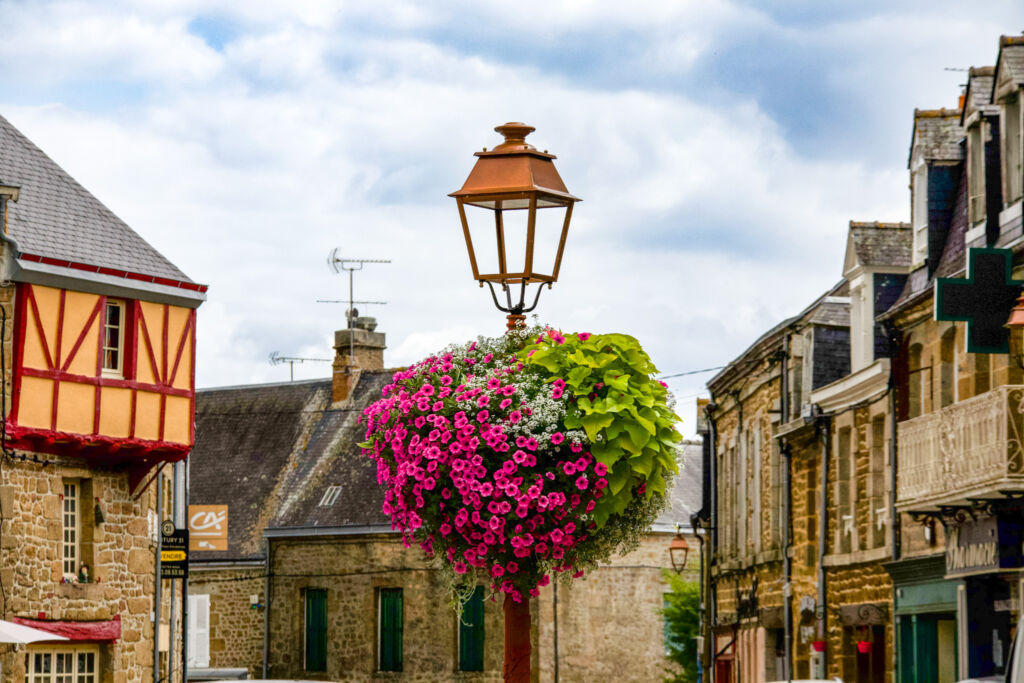
https://www.connexionfrance.com/practical/frances-favourite-village-see-14-contenders-for-this-years-vote/177262. Lassay-les-Châteaux has earned the designation Petite Cité de Caractère for its cobblestone streets and historic charm and was even voted one of France’s favourite villages. It’s not just picturesque. Between its gardens, walking trails, and medieval streets, the town offers plenty to explore beyond the castle walls.
Conclusion: A Hidden Gem That Feels Like Home
As clouds drifted overhead, threatening rain, we stayed dry. A small miracle that felt like the castle itself was guiding us. Between pulling ropes on the drawbridge, wandering through courtyards with 500-year-old holly, exploring secret exits, and savouring a castle-view for lunch, Lassay delivered an experience impossible to forget.
This little town may not be famous, but its charm is undeniable. History, Medieval beauty, quirkiness, and personal adventure collide here in ways that leave you full, happy, and already dreaming of a return. Lassay isn’t just a detour; it’s a destination. A castle with character, a town with charm, and memories you’ll carry long after you leave
TL;DR
Château de Lassay in Mayenne is a rare, intact medieval fortress open to visitors. Highlights: operate the drawbridge, explore independent towers and a 500-year-old holly tree, enjoy Renaissance interiors, and wander the gardens. Tickets €8, tours 1–1.5 hours, guided access only. The surrounding village, voted France’s third favourite, offers cobblestone streets, rose gardens, and walking trails. Perfect for a day trip from Normandy.