Why Attend a TV Show Taping in LA
Los Angeles and New York are the top hubs for TV production, and many shows rely on live audiences, including talk shows, game shows, sitcoms, and competition shows. If you’re visiting Los Angeles, attending a TV show taping is one of the best ways to see Hollywood behind the scenes for free. While tickets don’t cost anything, the process can be confusing, competitive, and full of surprises.
As a TV junkie of the 90s and 2000s, I applied to as many LA tapings as I could, from The Connors and Bob Hearts Abishola to The Voice, Jeopardy, The Talk, and The Price is Right. The time of year you visit can greatly affect which shows are taping and which tickets are available. Over two weeks, I learned what it’s really like to get tickets, wait in line, and be part of a studio audience. This guide shares everything I wish I had known before attending a TV show taping in Los Angeles.
How to Get Free TV Show Tickets
Audience Management Platforms (1iota, On-Camera Ready)
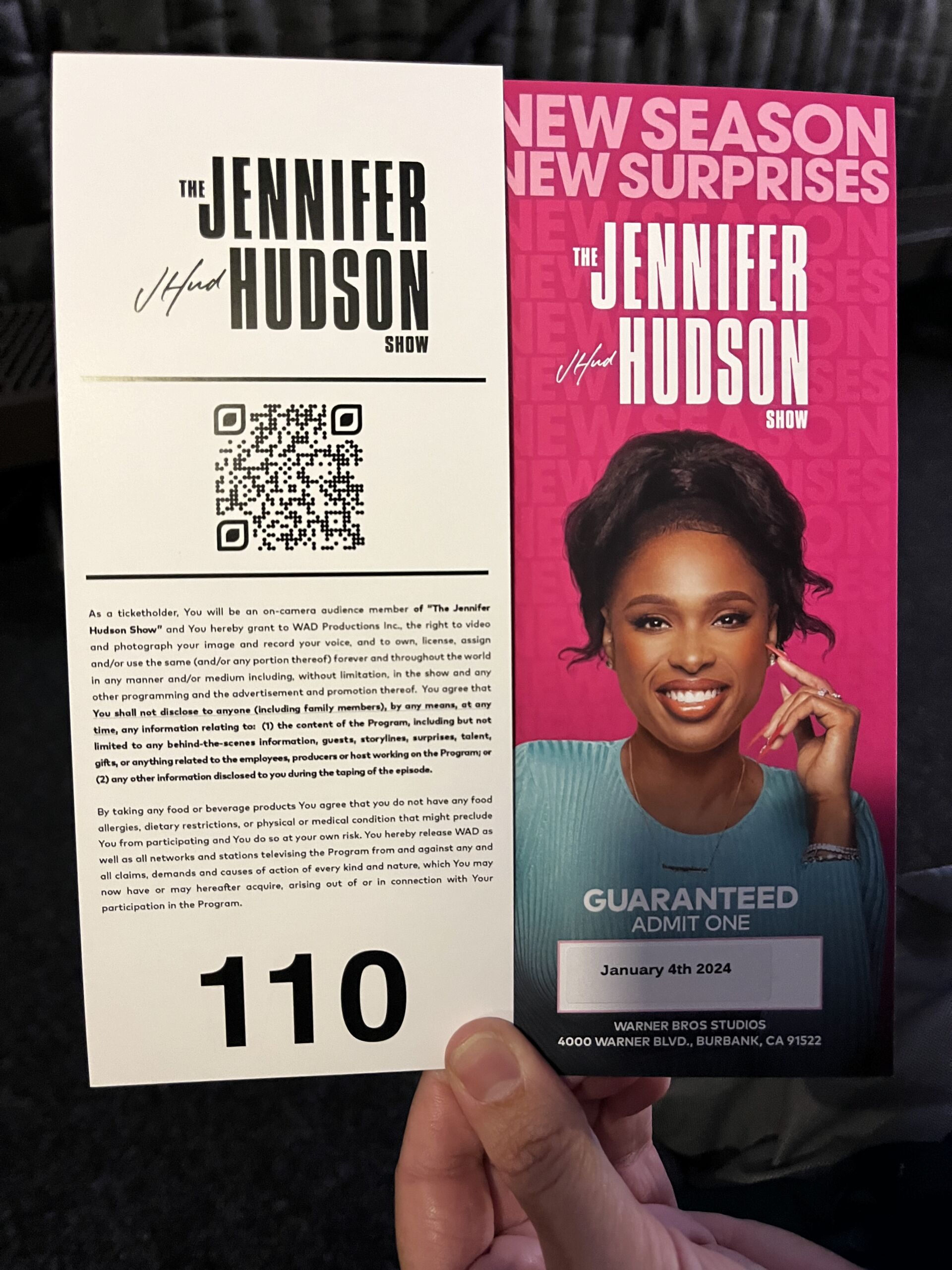
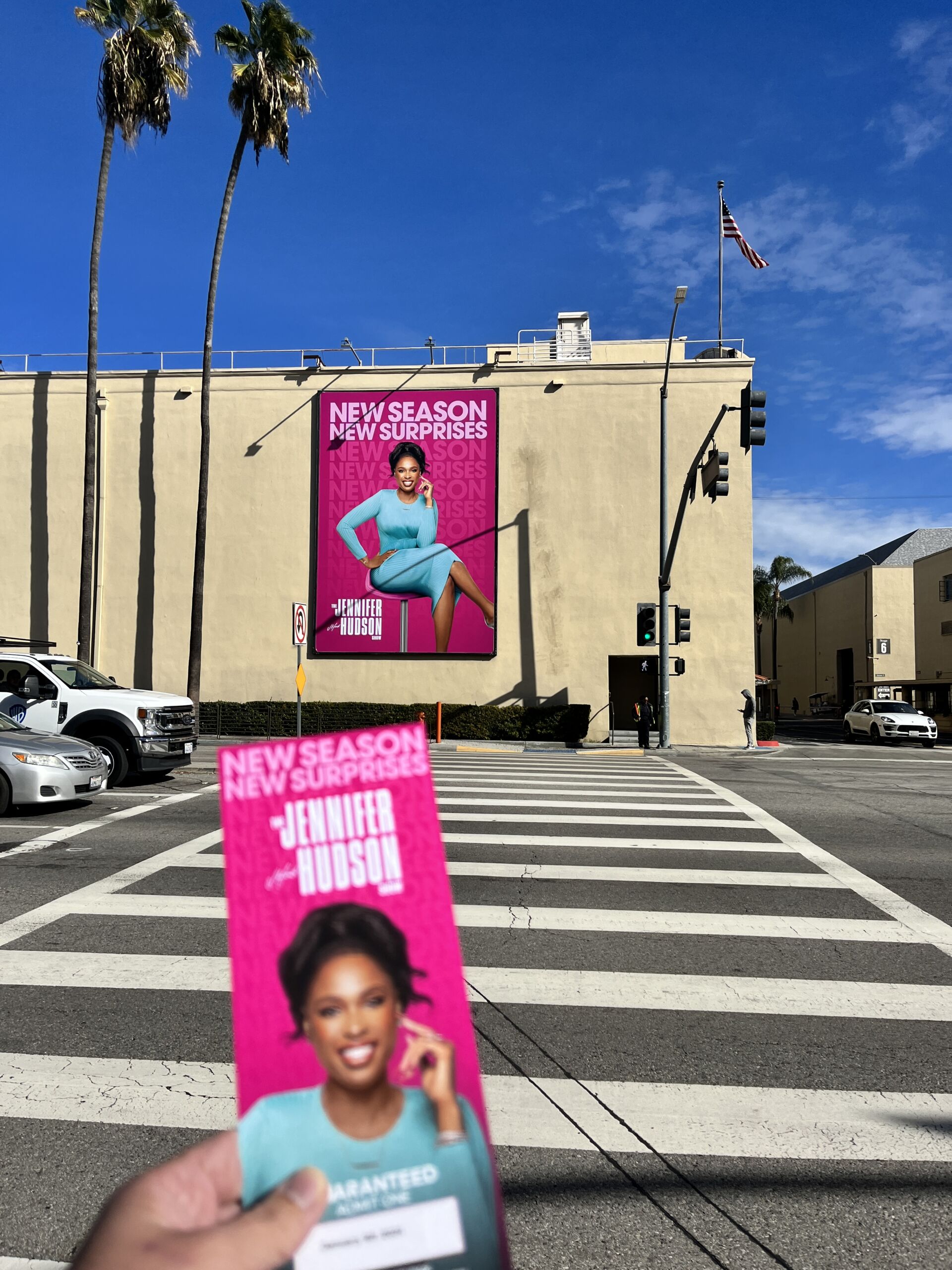
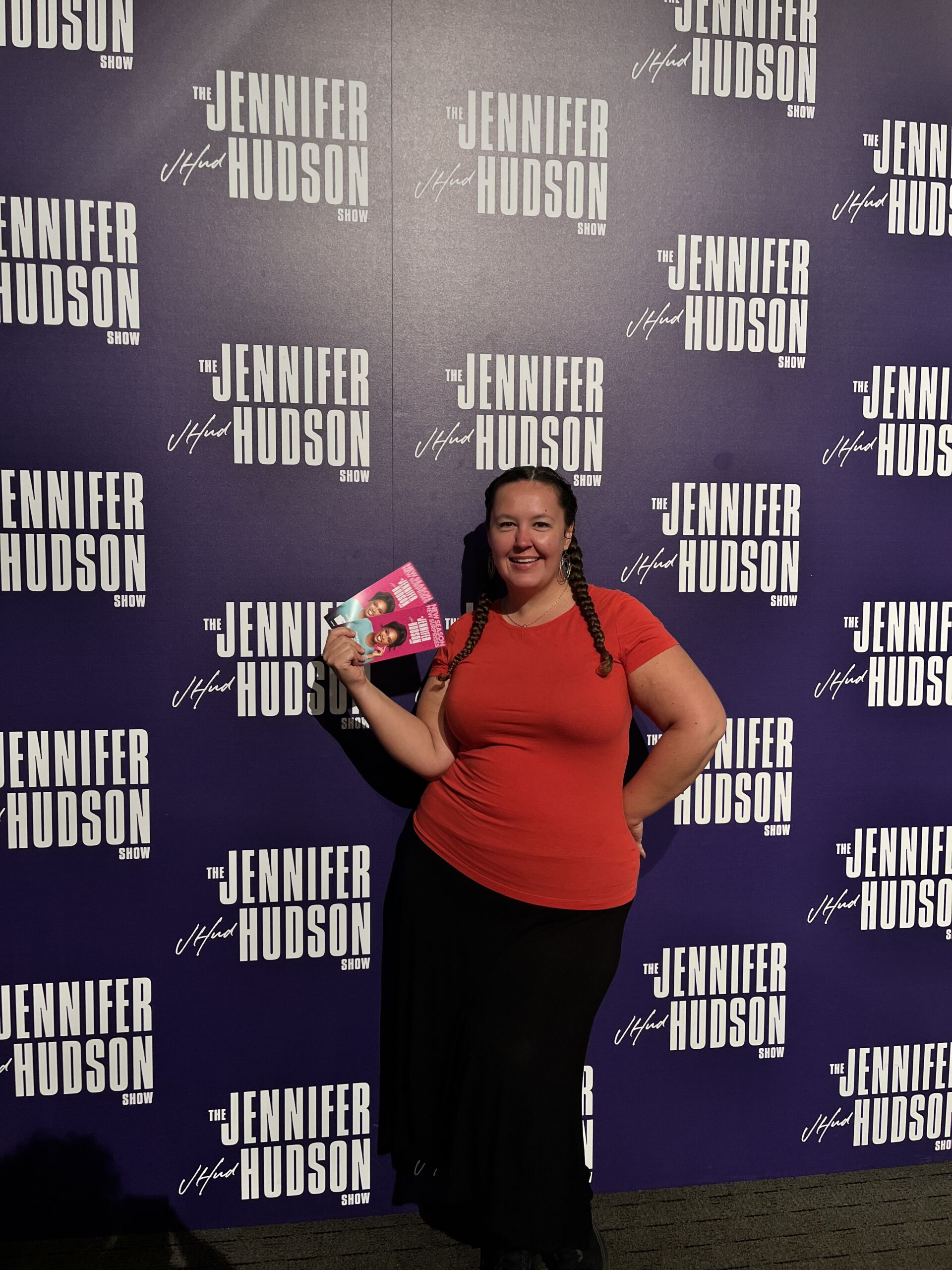
There are a few ways to snag free tickets to TV show tapings in Los Angeles. Many shows use audience management platforms like 1iota or On-Camera Audience, which handle ticket distribution, check-in, and seating at the studio. Other shows deal with this in-house. For example, tickets for the Jennifer Hudson Show can be requested directly through their website.
Show-Specific Ticketing & Timing
Ticket release times also vary. Some are released more than a month in advance, while others are posted just a week before taping. New shows often have more availability since they haven’t yet built a fan base, so checking frequently can increase your chances. These platforms don’t just cover TV tapings. They also handle audiences for movie screenings, premieres, special performances, and other fan experiences.
What to Know Before Attending a TV Show Taping
You usually won’t know if you’ve secured tickets until 3 to 10 days before the taping, so keep your schedule flexible. Shows can be scheduled at odd hours and often last much longer than expected. Many programs also overbook, so entry is not guaranteed even with a ticket. For example, The Price is Right reached capacity 1.5 hours before its listed check-in. Always plan extra travel time and expect delays.
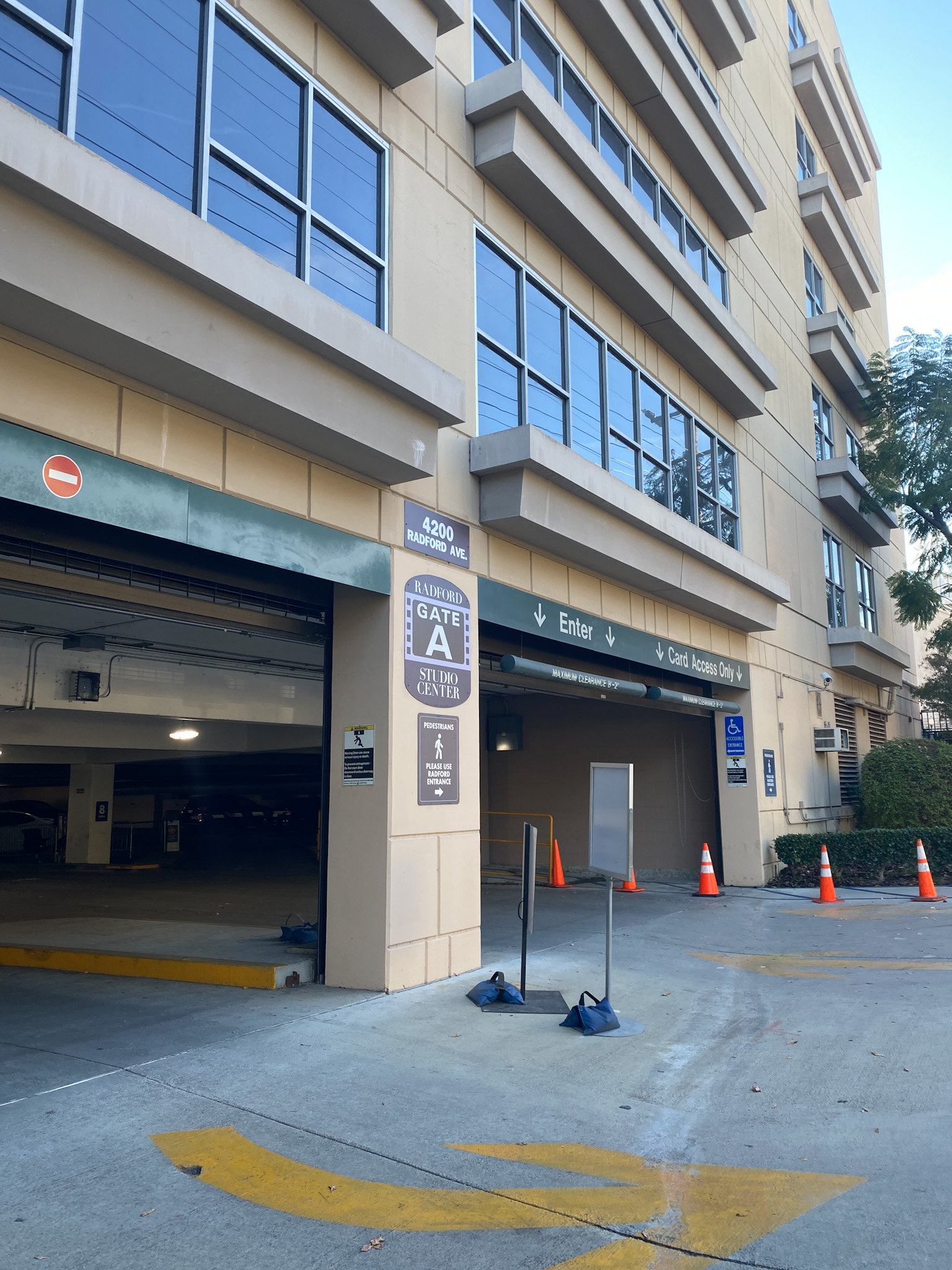
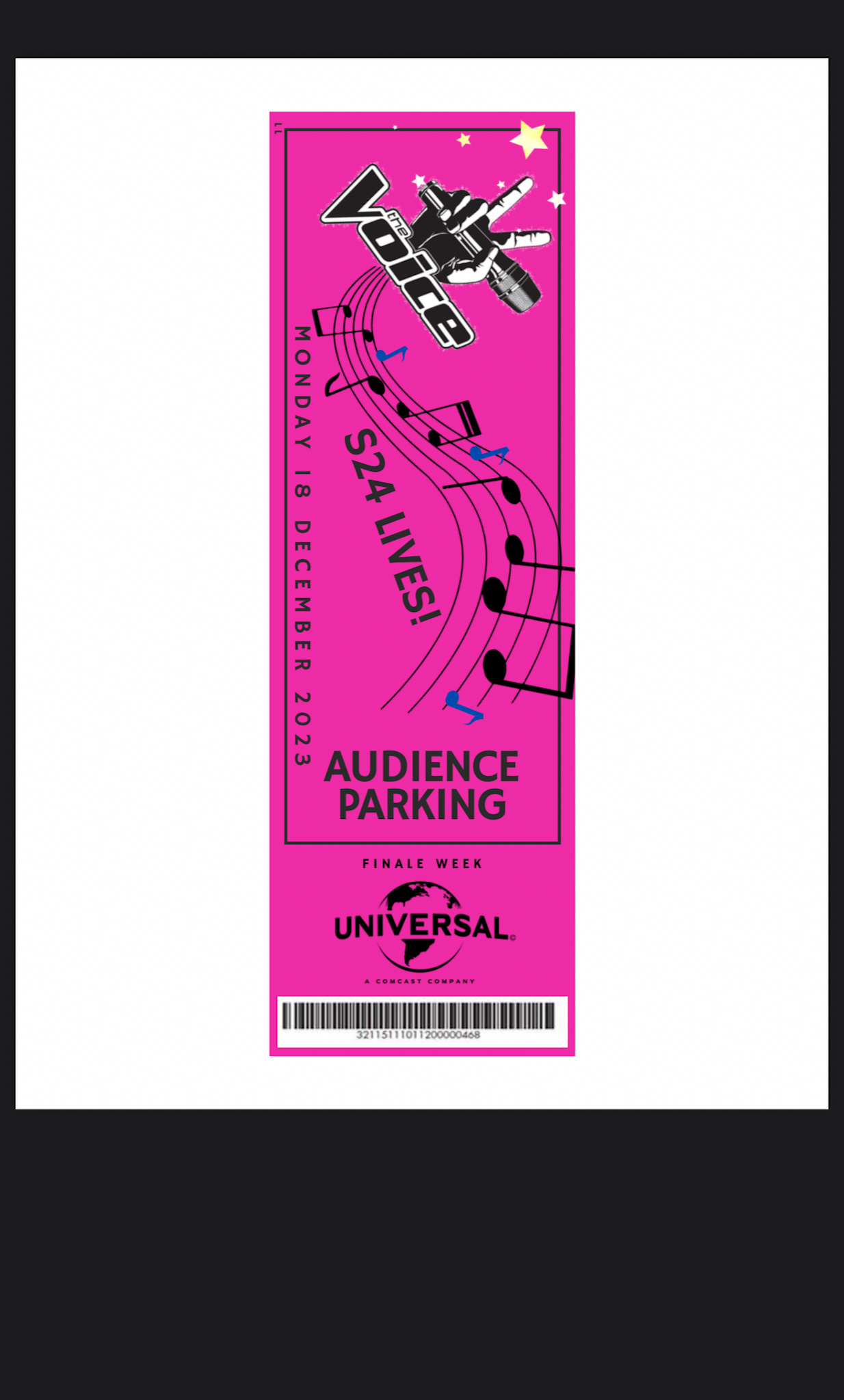
Follow the dress code carefully, and avoid bringing restricted items like cell phones when possible. Even if your ticket says “Do not arrive early,” it’s often safer to get there ahead of time and politely ask security for instructions. Most shows provide free parking, including at Universal locations, though some, such as Dr. Phil, may charge and involve long waits.
What to Wear to a TV Show Taping:
Audience Dress Code Tips
Each show has its own dress code. Talk shows prefer jewel-toned, solid colours that film well, while sitcoms often don’t require specific clothing since the audience isn’t on camera. Game shows may encourage fun costumes. The Price is Right asked us for Football jerseys. While others want a nightclub or dinner-party look. In all cases, avoid white, logos, or busy patterns.
For The Voice, the instructions were “trendy, dark-colored clothing similar to an upscale dinner outfit,” with no bright colors, large logos, or homemade shirts.
Being camera-ready also means neat hair and makeup without anything distracting. Avoid overly flashy outfits that could draw attention away from the show. Matching your look to the show’s typical audience can even increase your chances of being invited back.
Studios are kept cold between filming, so bring layers even if the LA weather feels warm outside.
Arrival: Lines, Check-In, and Security
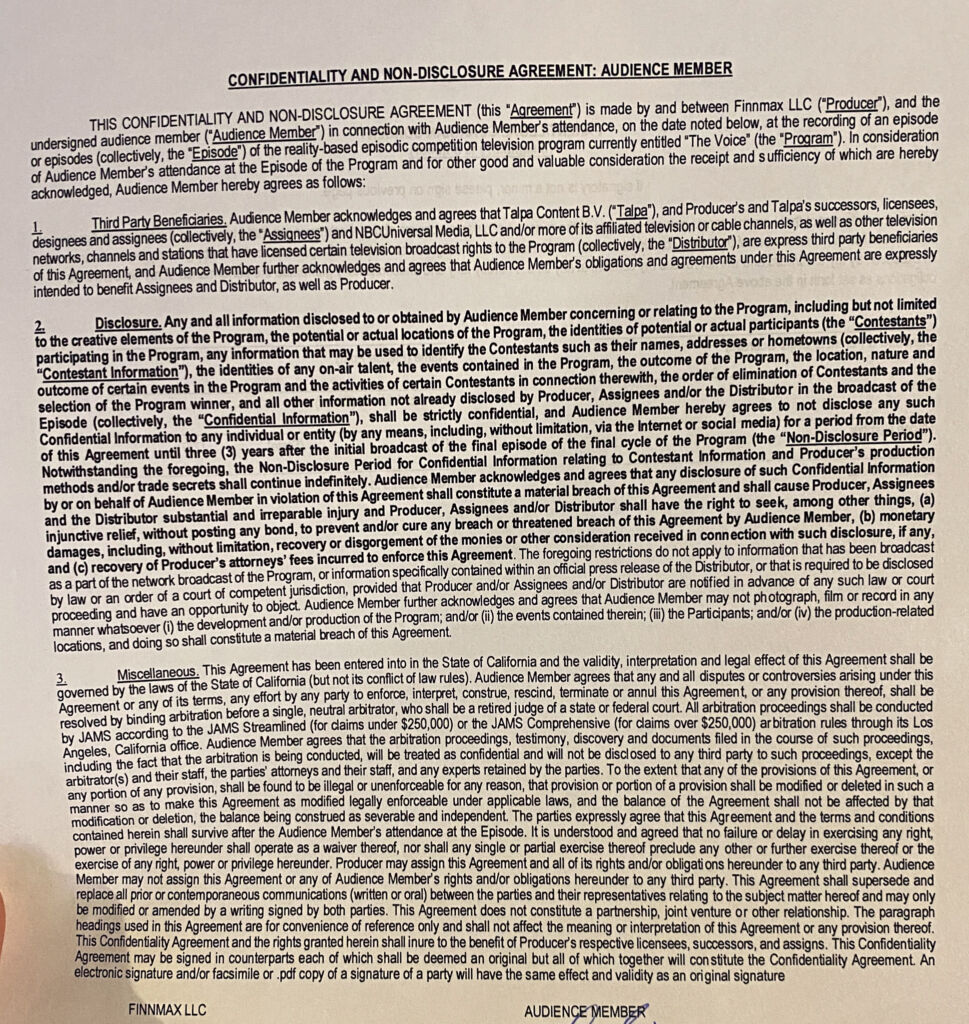
Upon arrival, follow security directions to park and reach the check-in desk. Staff may guide you from your car or only at check-in. Check-in will be the important part. Your make-or-break point. Will you get a wristband that confirms a seat, or will you still be waiting? IDs are checked, bags may be searched, and you might sign a media release or non-disclosure form.
Lockers are rare, so store valuables at your accommodations rather than your car, as LA car break-ins are common. After check-in, stand in line as directed. The closer to the front, the better your chances of getting in.
Wait times can be around an hour, and occasionally, people are sent home if unexpected VIP guests occupy seats. This happened to us at Bob Hearts Abishola, where we waited two hours before learning extra guests had taken audience spots. These are people who were not mentioned to the audience company. So in their defence, they were unaware too.
Please do not go into this process expecting everyone to be treated the same. It’s Hollywood. Different people get different clearance levels for taping. Friends and Family often get to keep cell phones and take pictures while on set, while we common folk get strict enforcement of rules. Just go in expecting this and don’t get upset by it.
Show-Specific Line Setups and Holding Areas
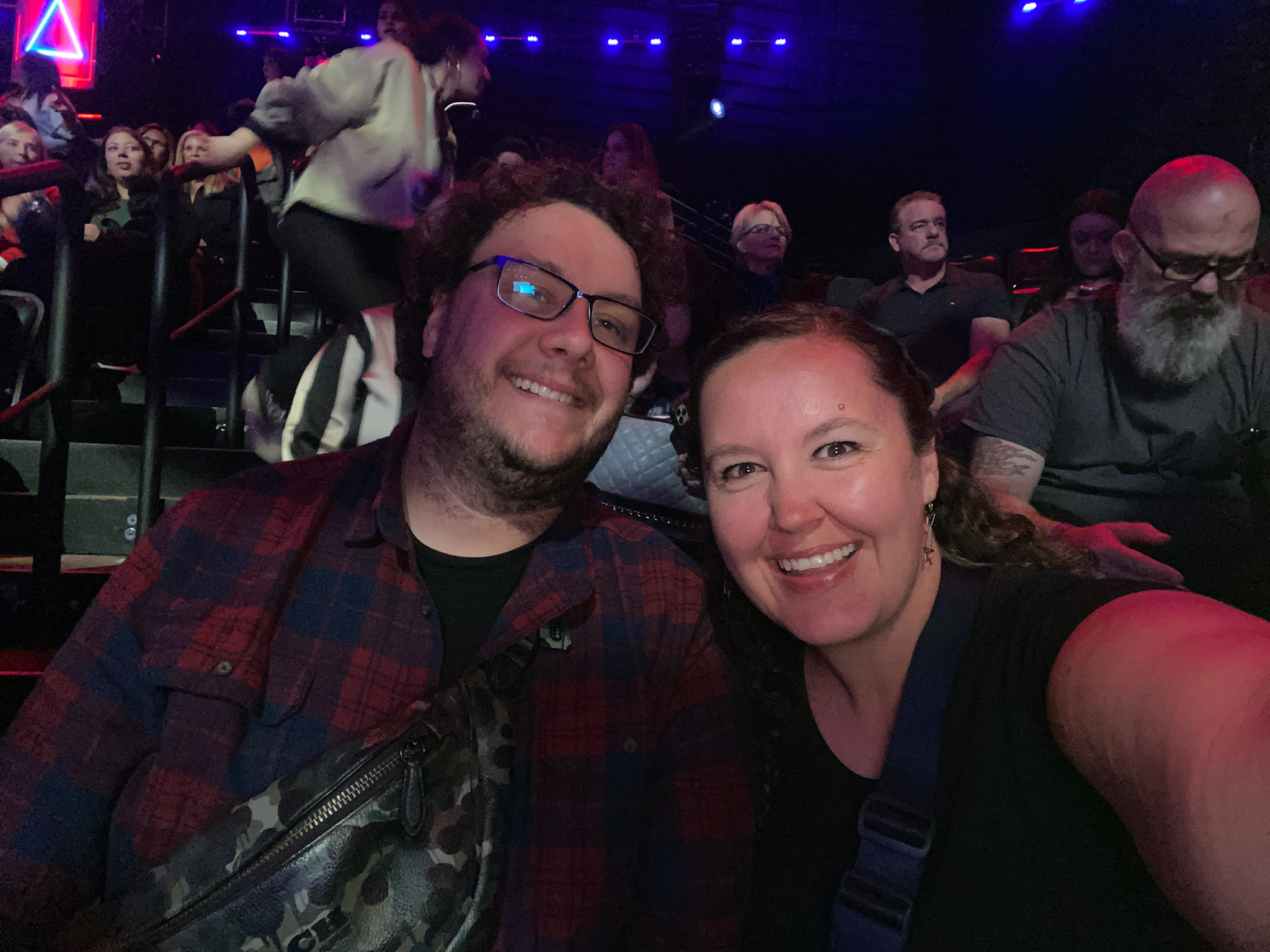
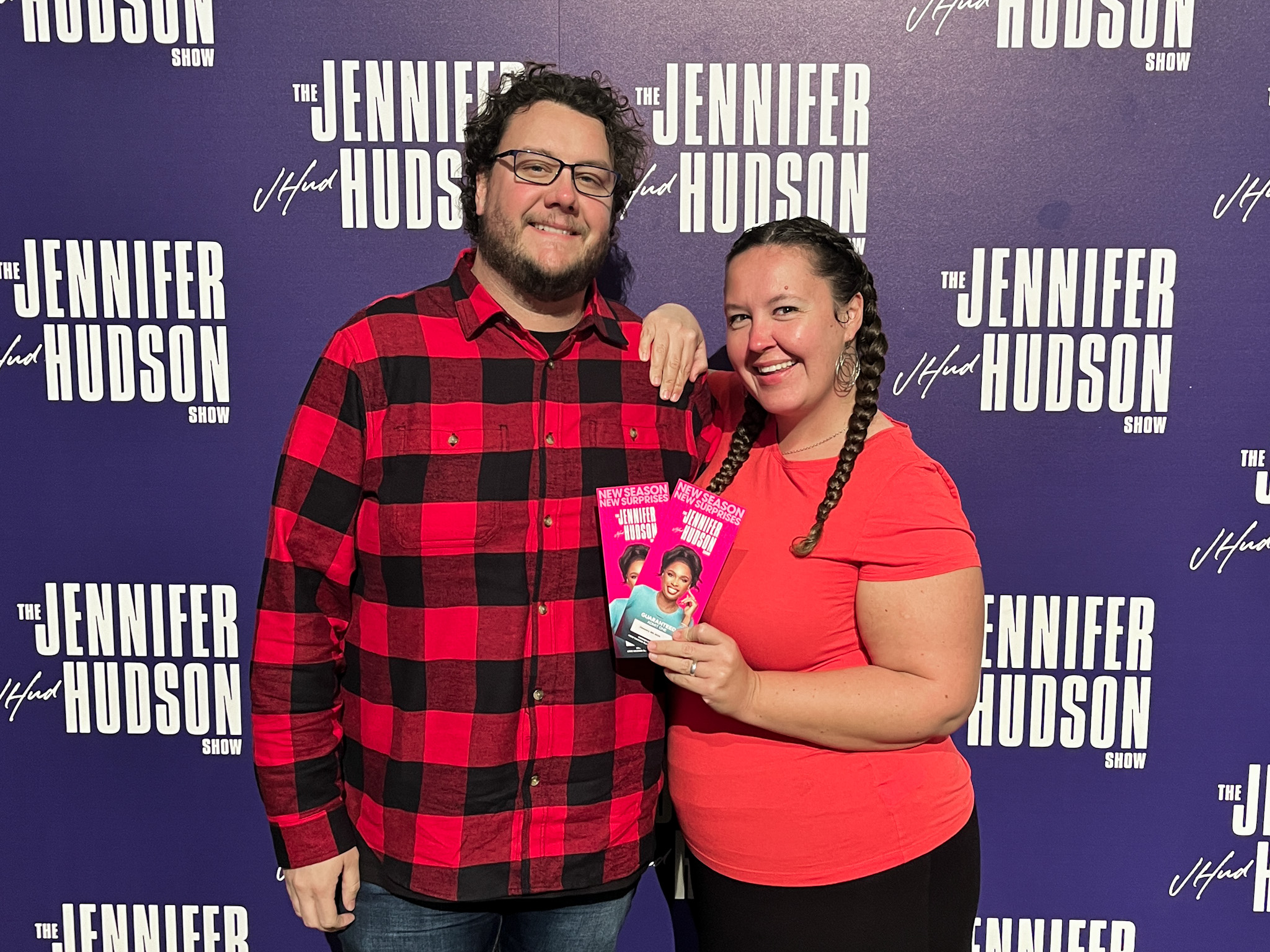
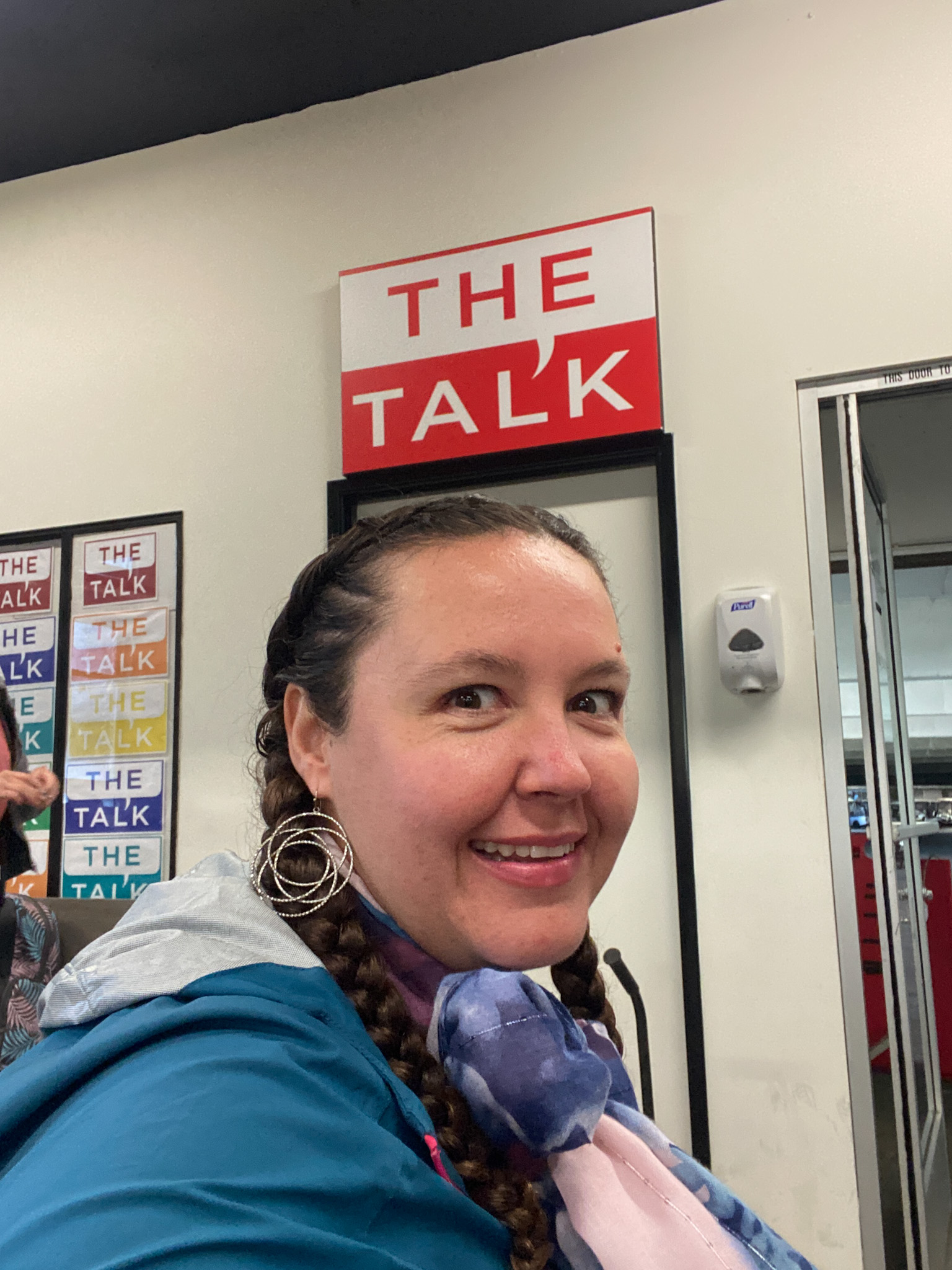
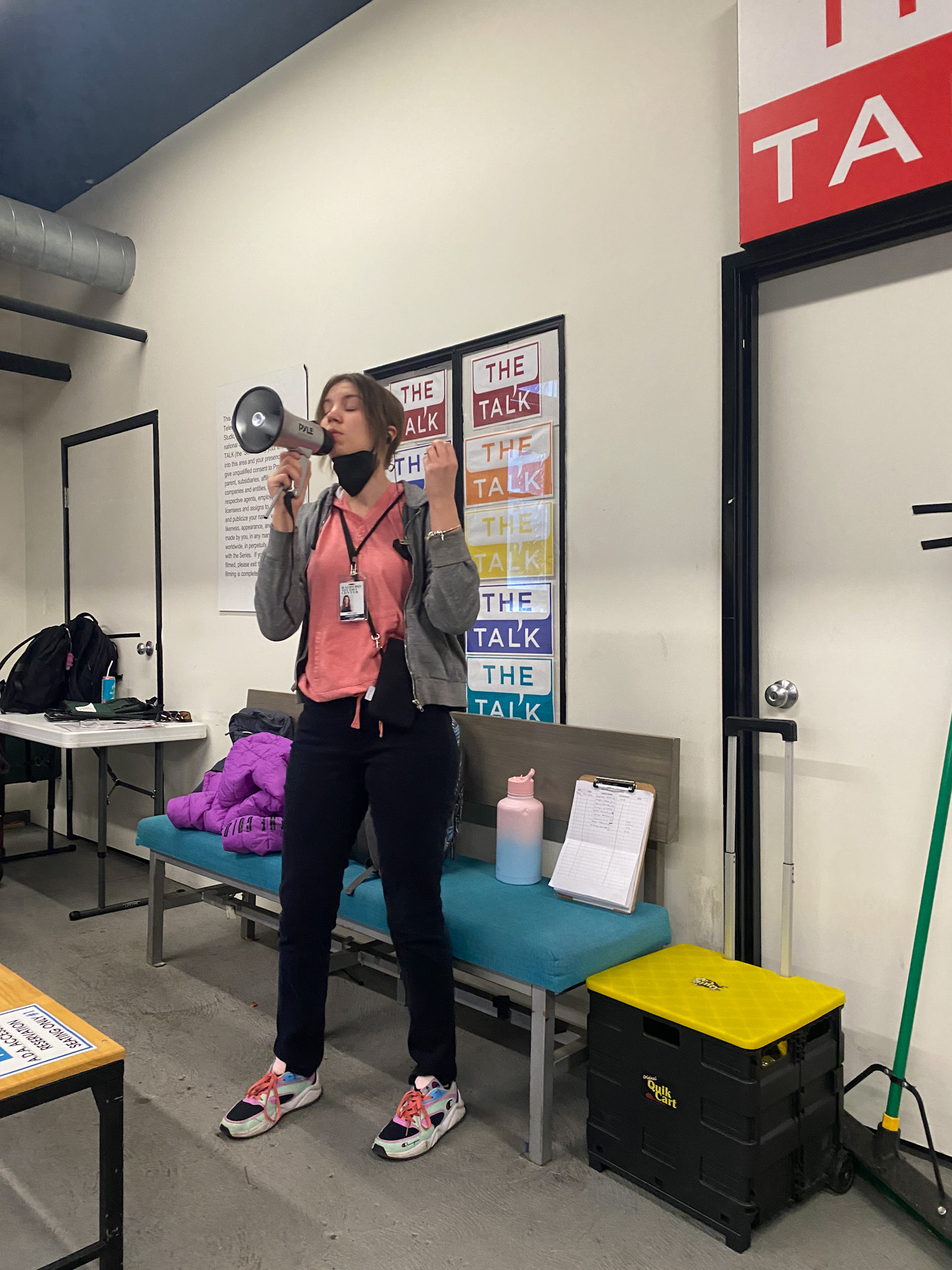
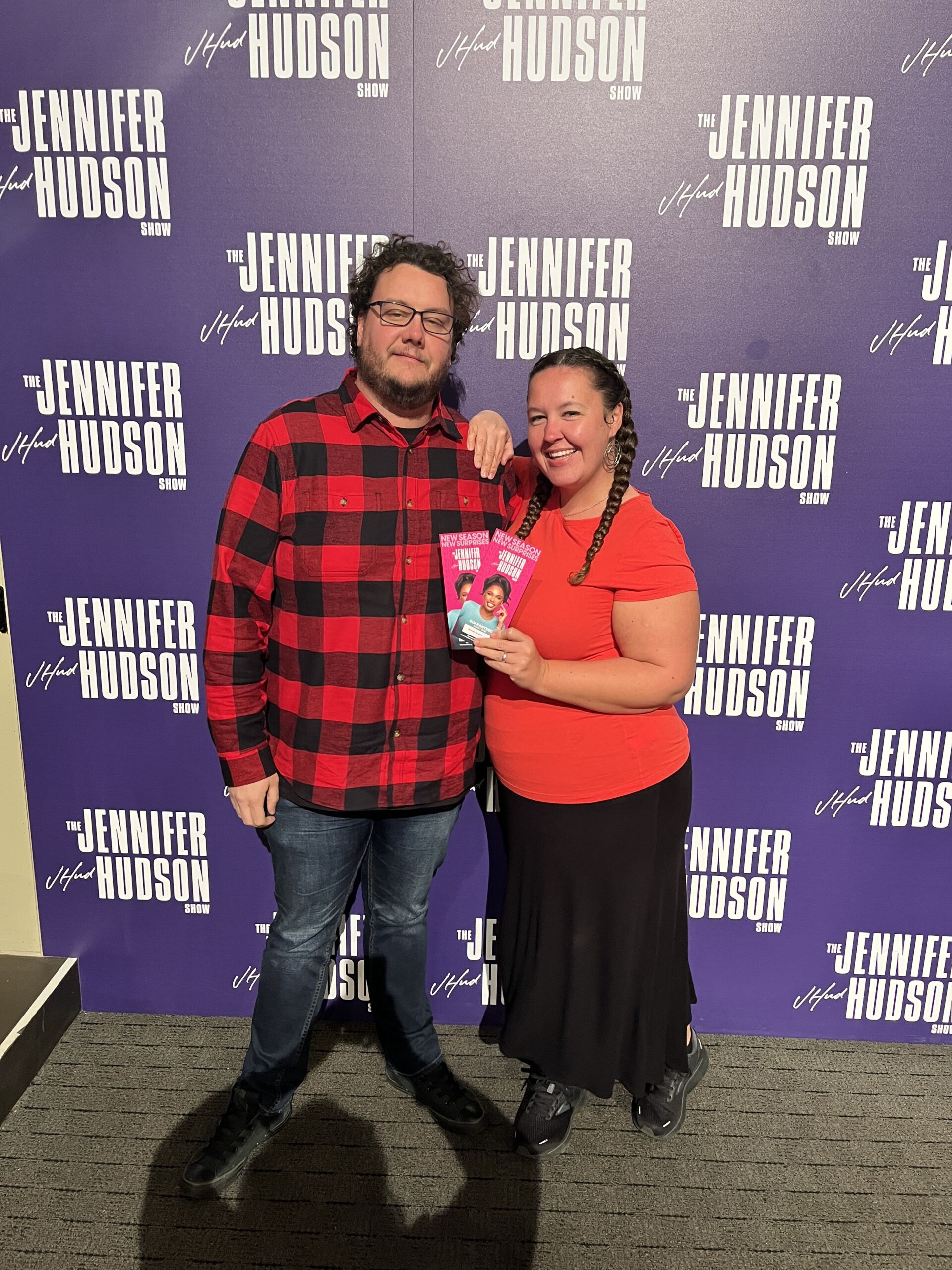
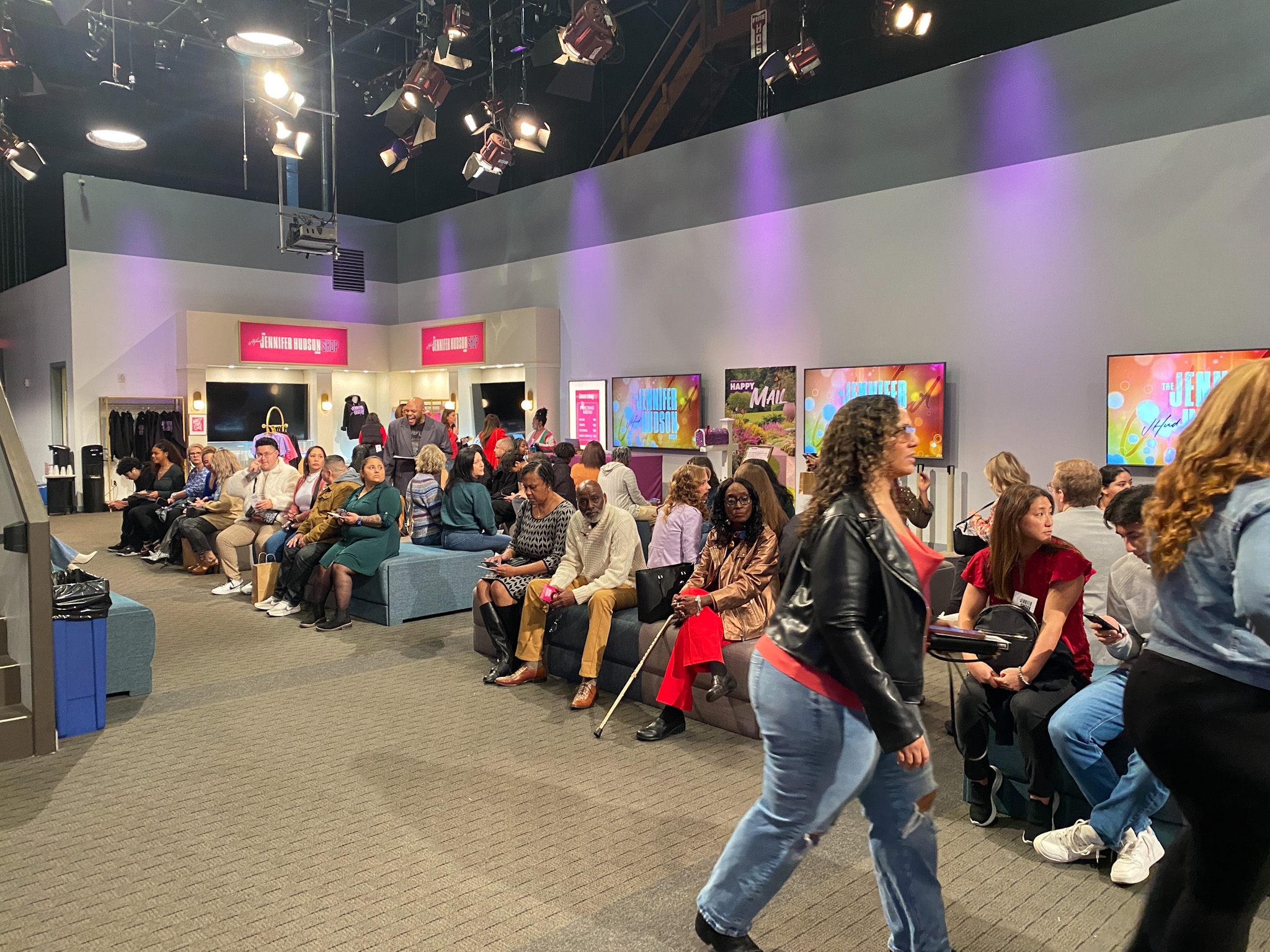
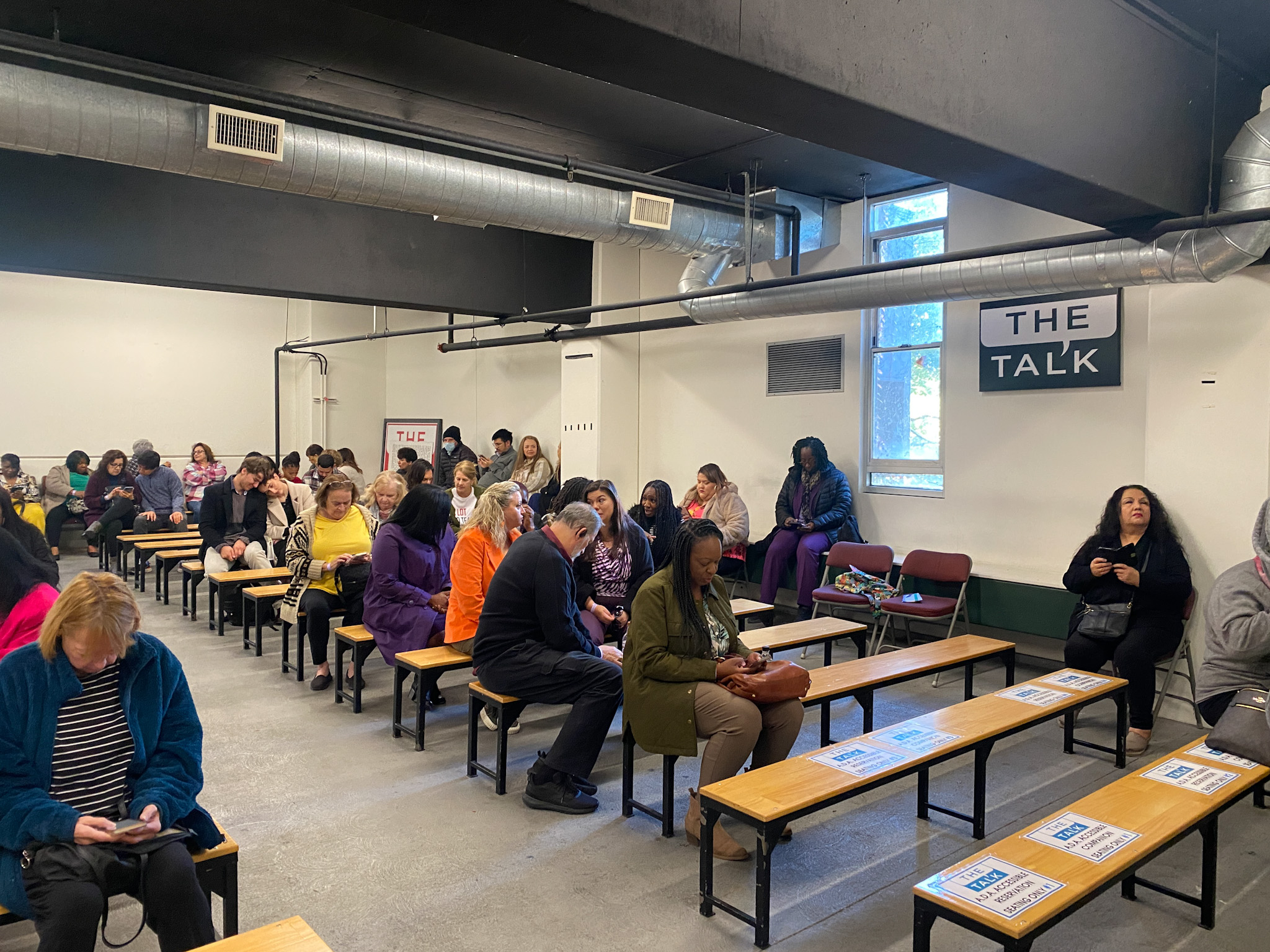
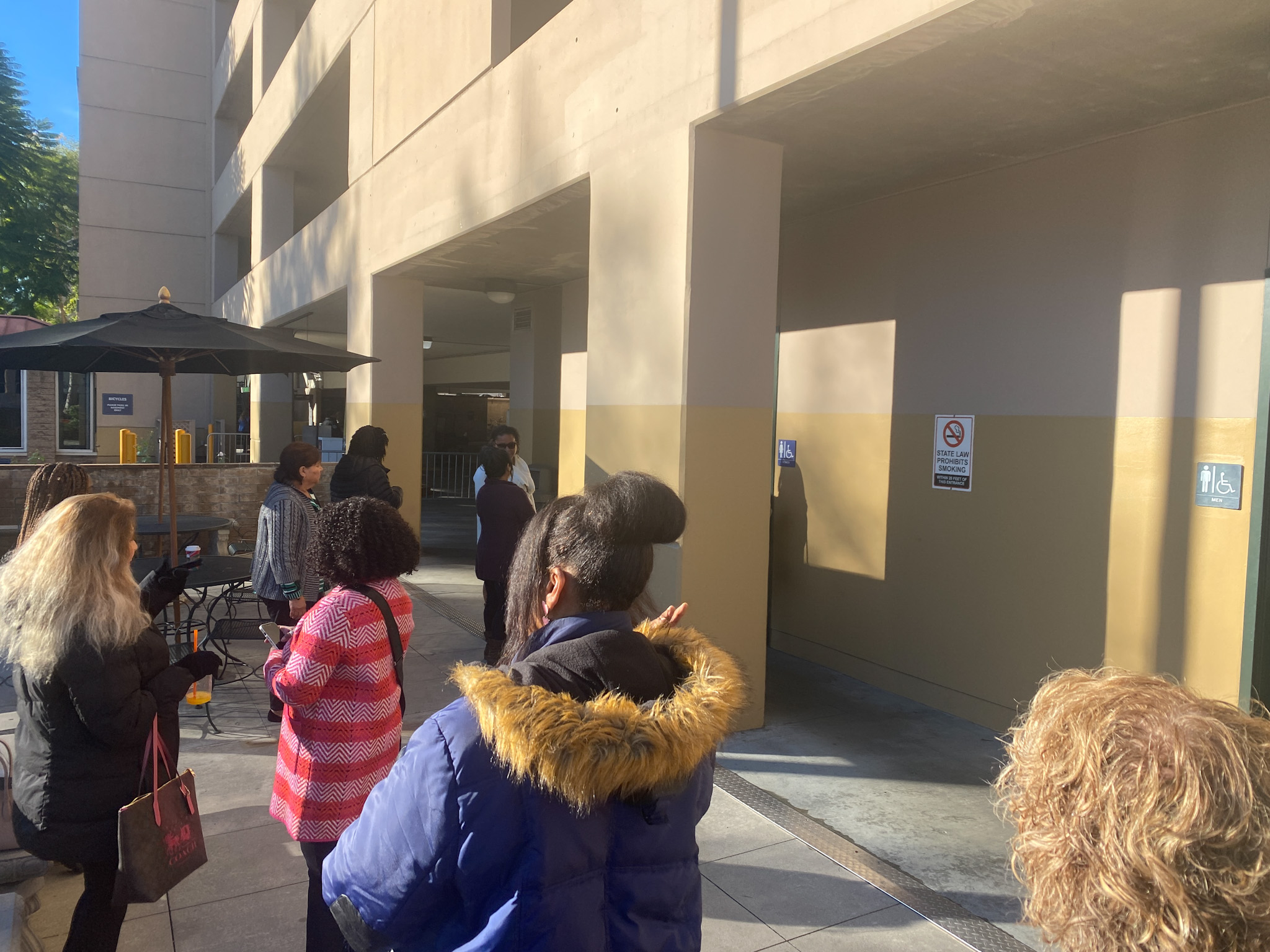
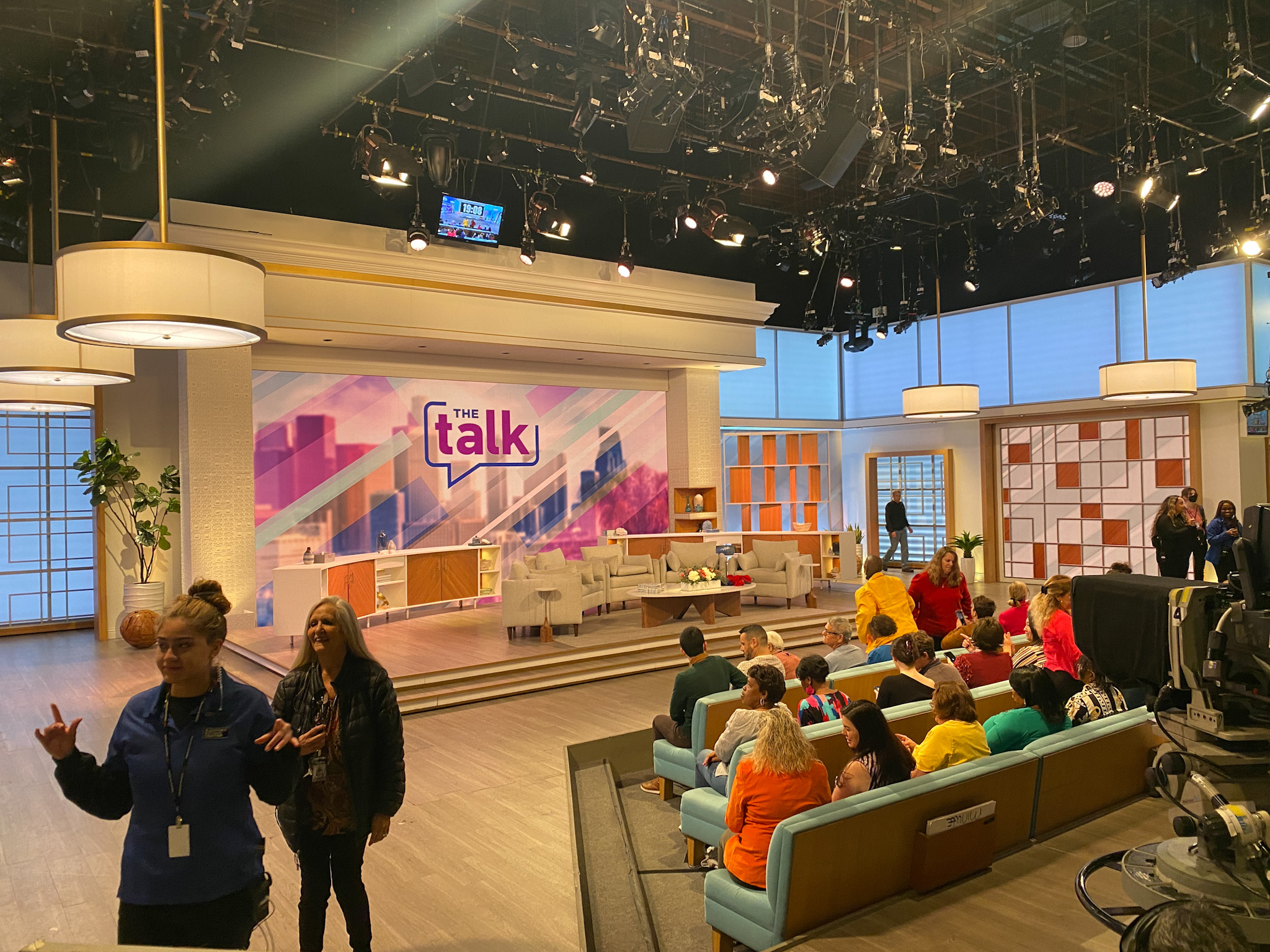
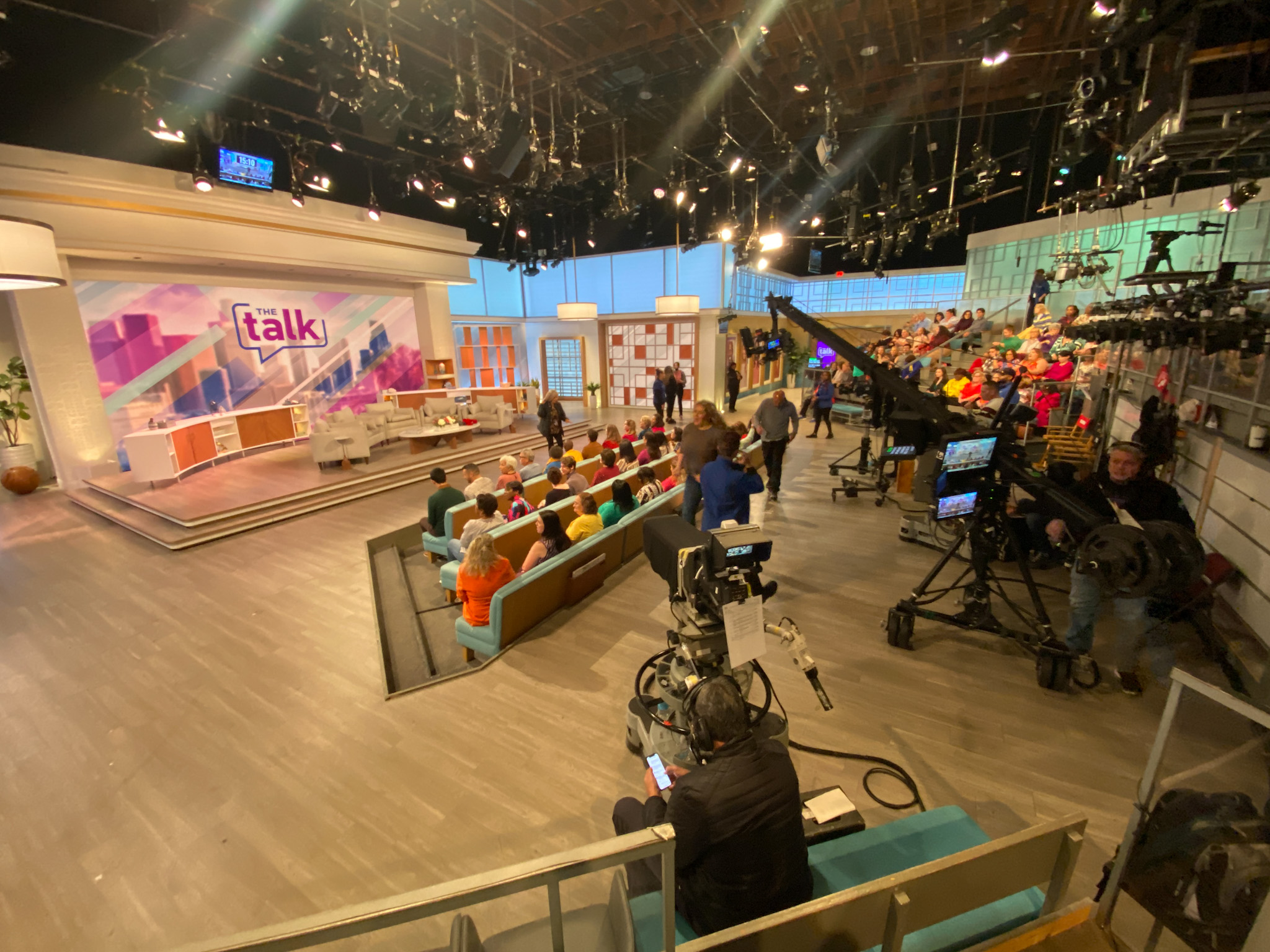
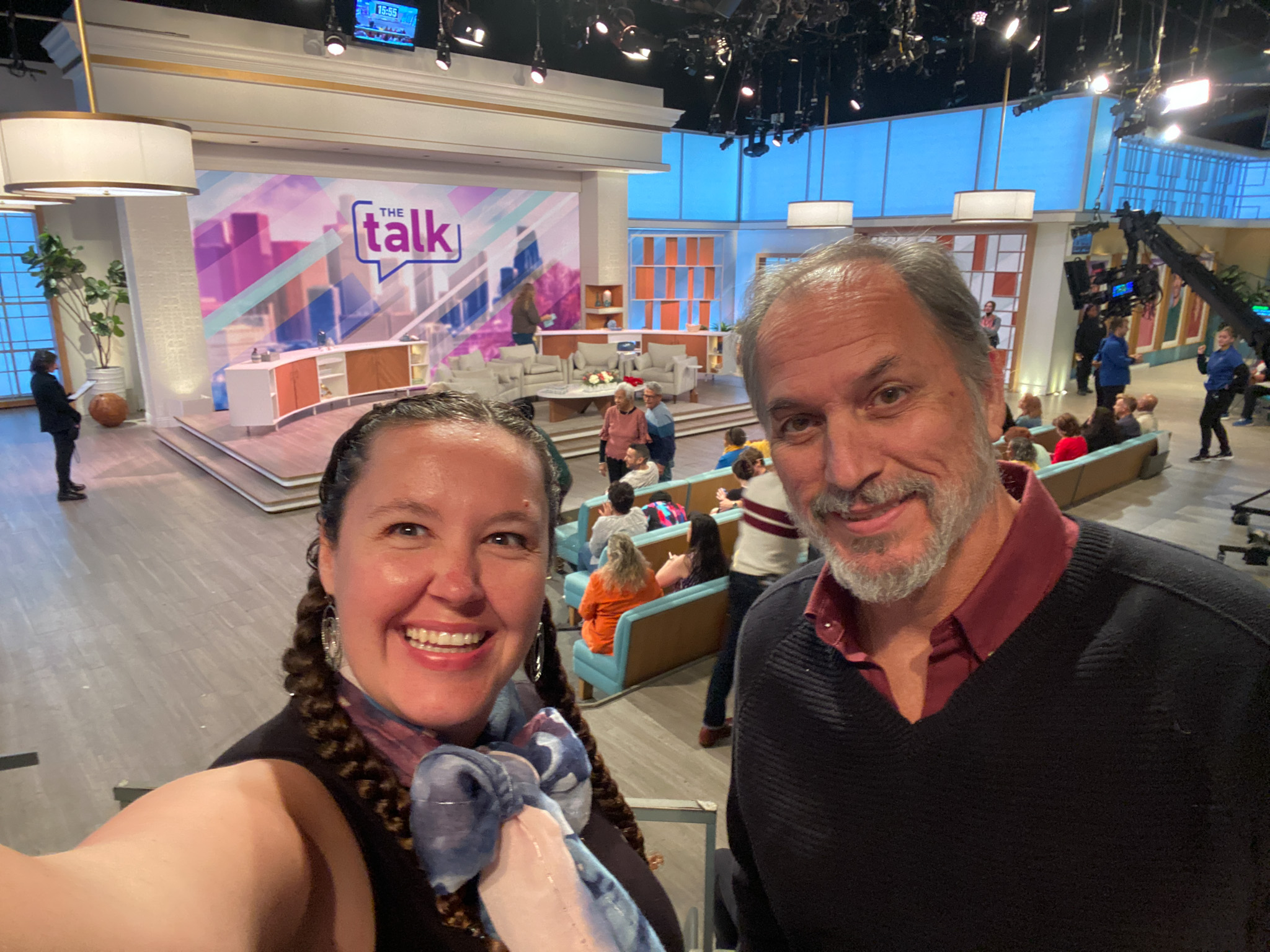
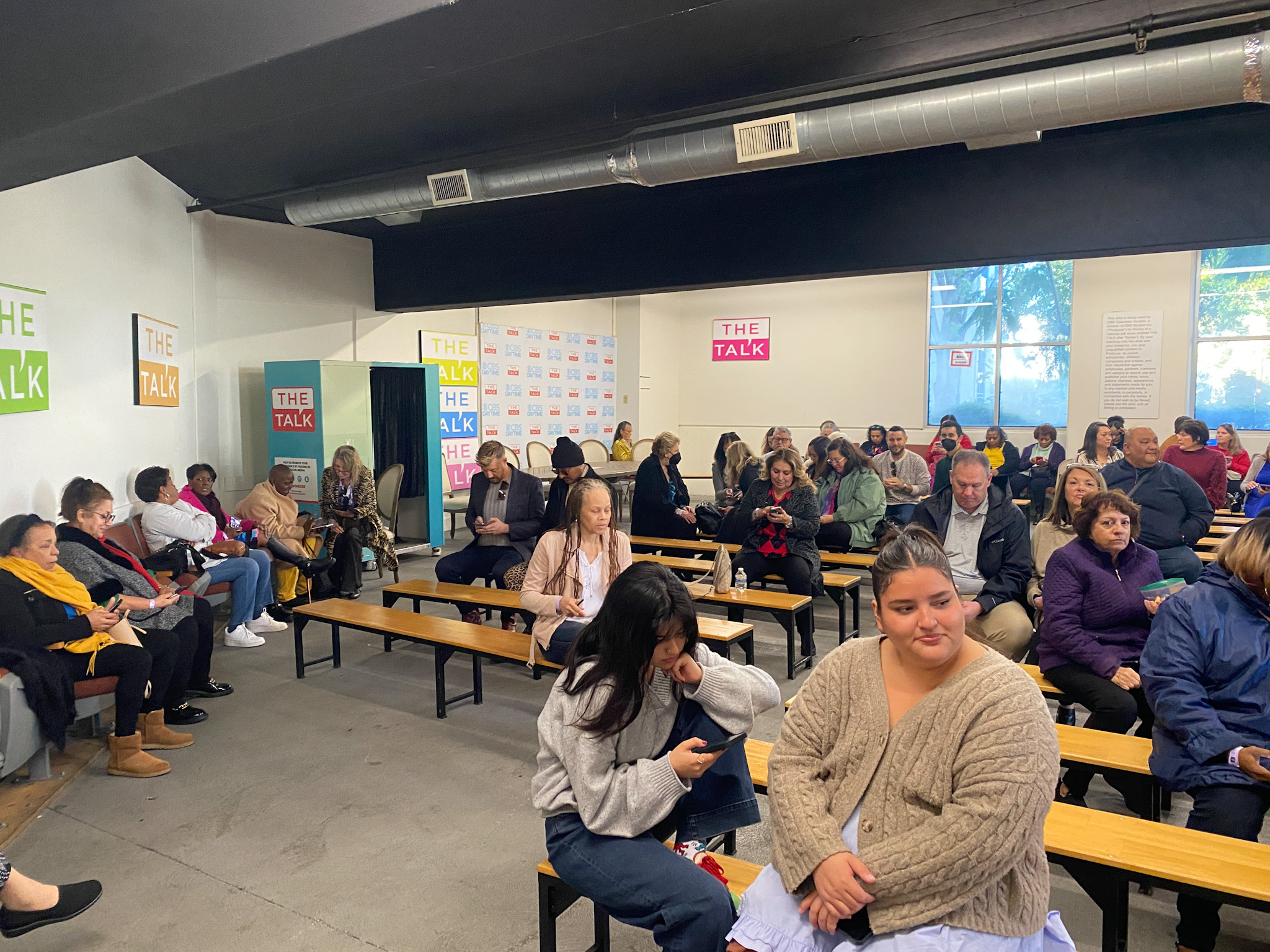
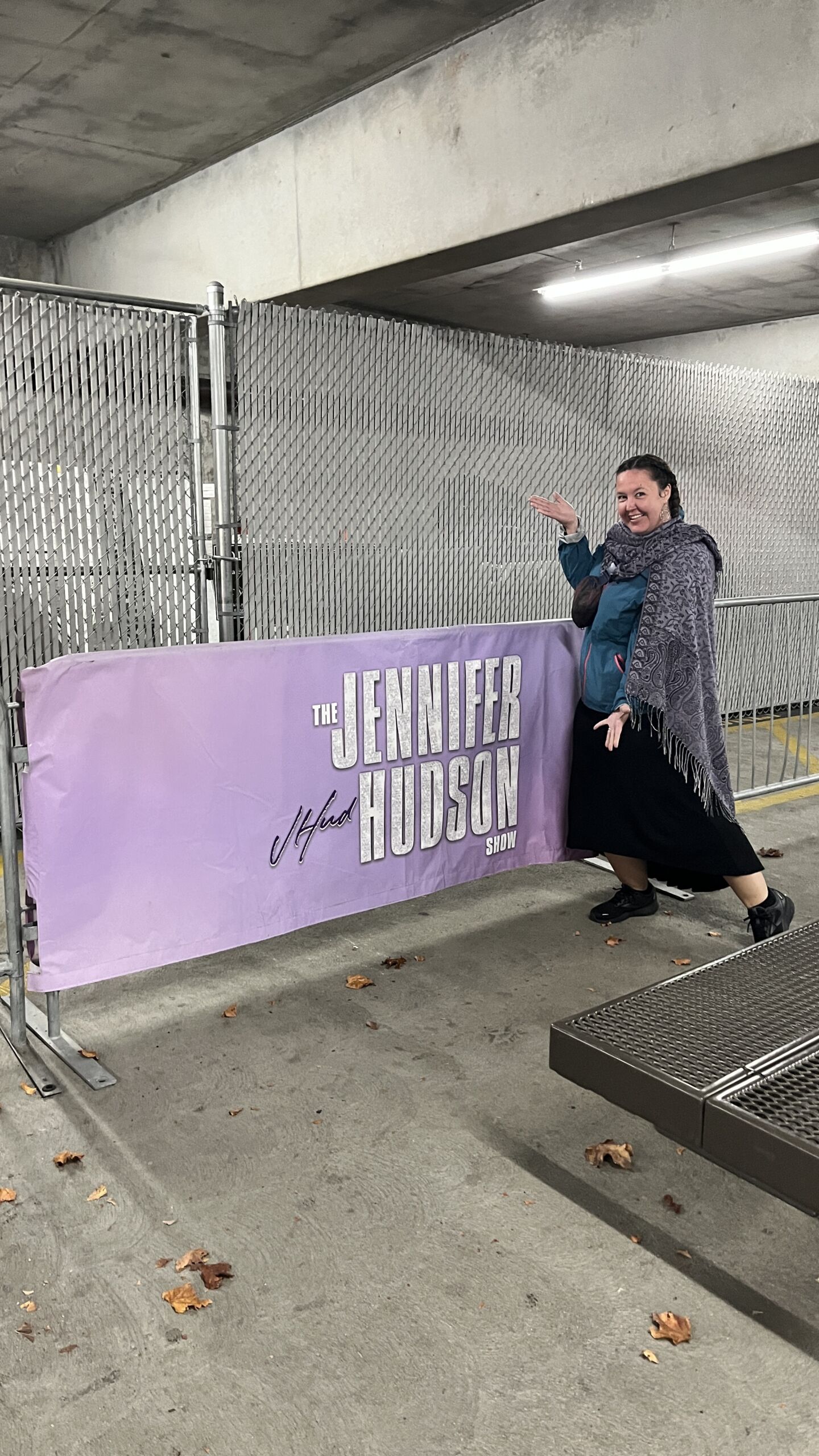
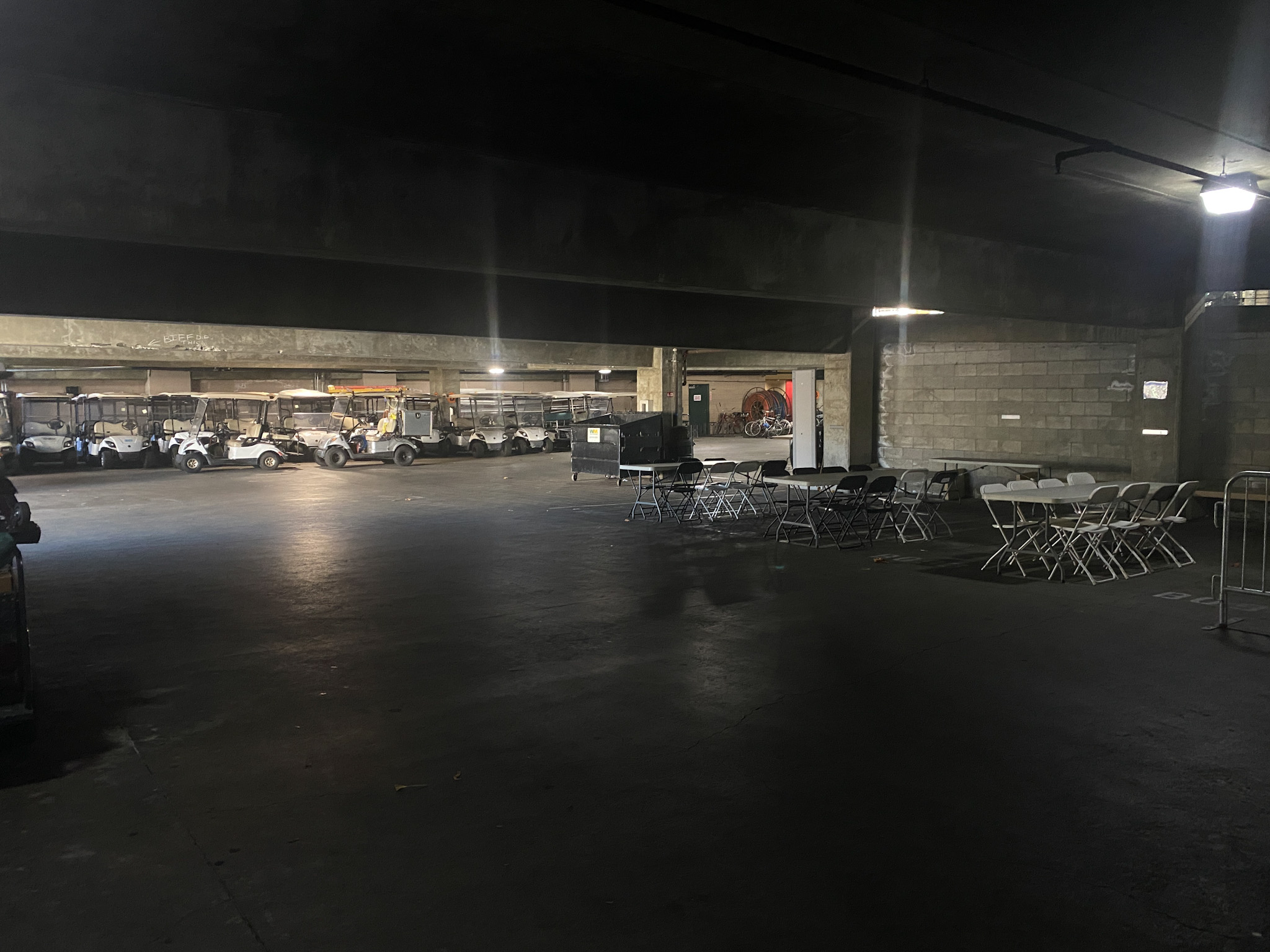
Each show handles audience lines and holding areas differently, which can affect wait times and comfort. For the Jennifer Hudson Show, we waited over 1.5 hours in line, plus another two hours in a holding room across the street. Because of its street access location, you get less of a behind-the-scenes look at the studio lot. At The Talk, the holding area was in the parking garage with seating and a friendly, social atmosphere.
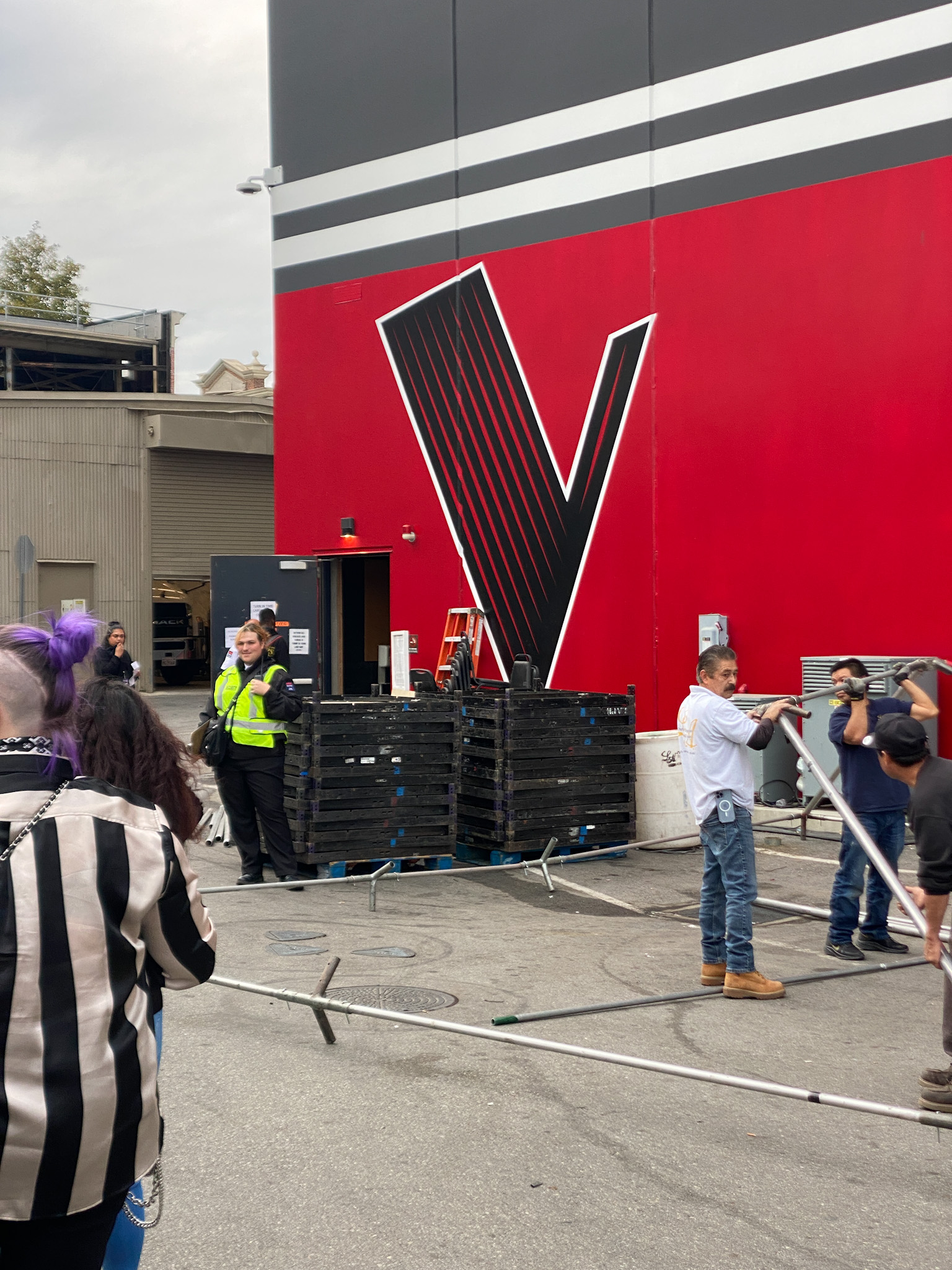
Other shows vary in setup as well. The Connors offered standing room only in the garage, while The Voice required a shuttle ride to the studio and had mostly standing areas with small tented seating at the end. Bob Hearts Abishola provided long benches, though not enough for everyone.
Knowing these differences helps you plan for the wait. Shows with long holding areas or standing room only setups mean you will need layers to stay comfortable, snacks to keep your energy up, and something to occupy your time while waiting.
Step-by-Step Arrival Walkthrough (Quick Reference)
1. Arrival & Parking
- Follow security directions to the parking. Studios vary: basement, G-level, or on the same floor as the lot. Signs may be limited, so ask if unsure.
2. Check-In
- Go to the check-in desk, give your name, and join your designated line if provided.
- Staff will confirm what’s allowed inside (bags, phones, etc.) and check dress code compliance.
- You may go through a metal detector and/or bag search.
3. Food & Snacks
- Most shows don’t provide food. Some give a small snack or meal. The Connors gave us a small Sub. The Voice gave a snack. Options were available.
- Bring portable snacks (fruit, nuts, or veggies) for the holding area, but finish them before entering the studio.
4. Waiting Time
- Expect 1–3 hours in line or holding areas.
- Bring something to stay occupied without using your phone.
5. Bathroom Breaks
- Last call is typically before taping. During filming, leaving is discouraged and usually only allowed one person at a time or in small groups (e.g., The Voice: teams of 5).
6. Holding Areas & Transport
- Depending on the show, you may wait in a holding room or be shuttled to the studio.
- Groups are directed to specific areas to fill seats efficiently with no gaps between guests.
7. Seating & Filming Start
- Shows usually begin about 30 minutes after everyone is seated.
- Once seated, you’ll meet the Hype Man, who explains audience behaviour, when to cheer, and how to participate. Remember: your energy and engagement matter!
Inside the Studio
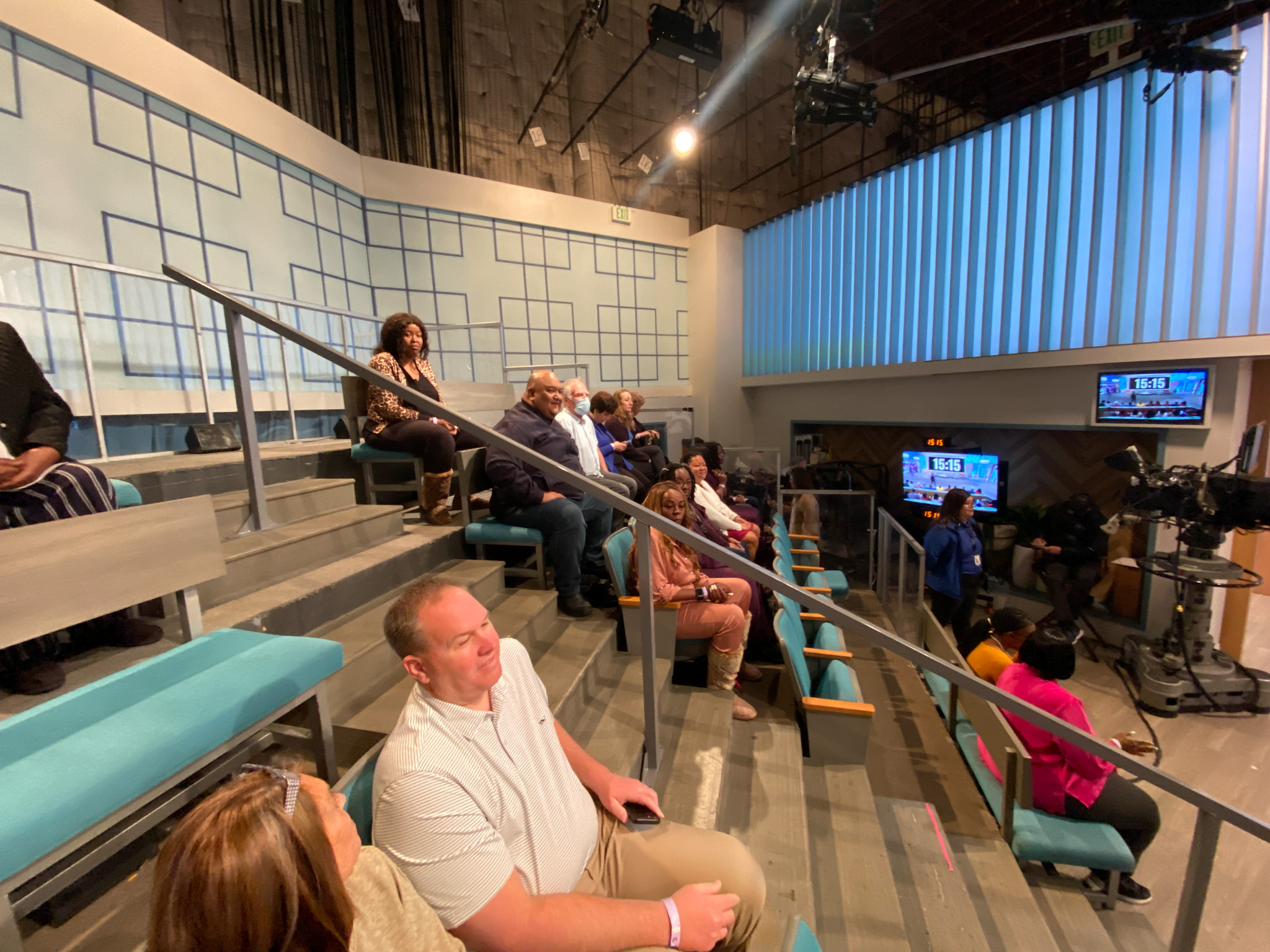
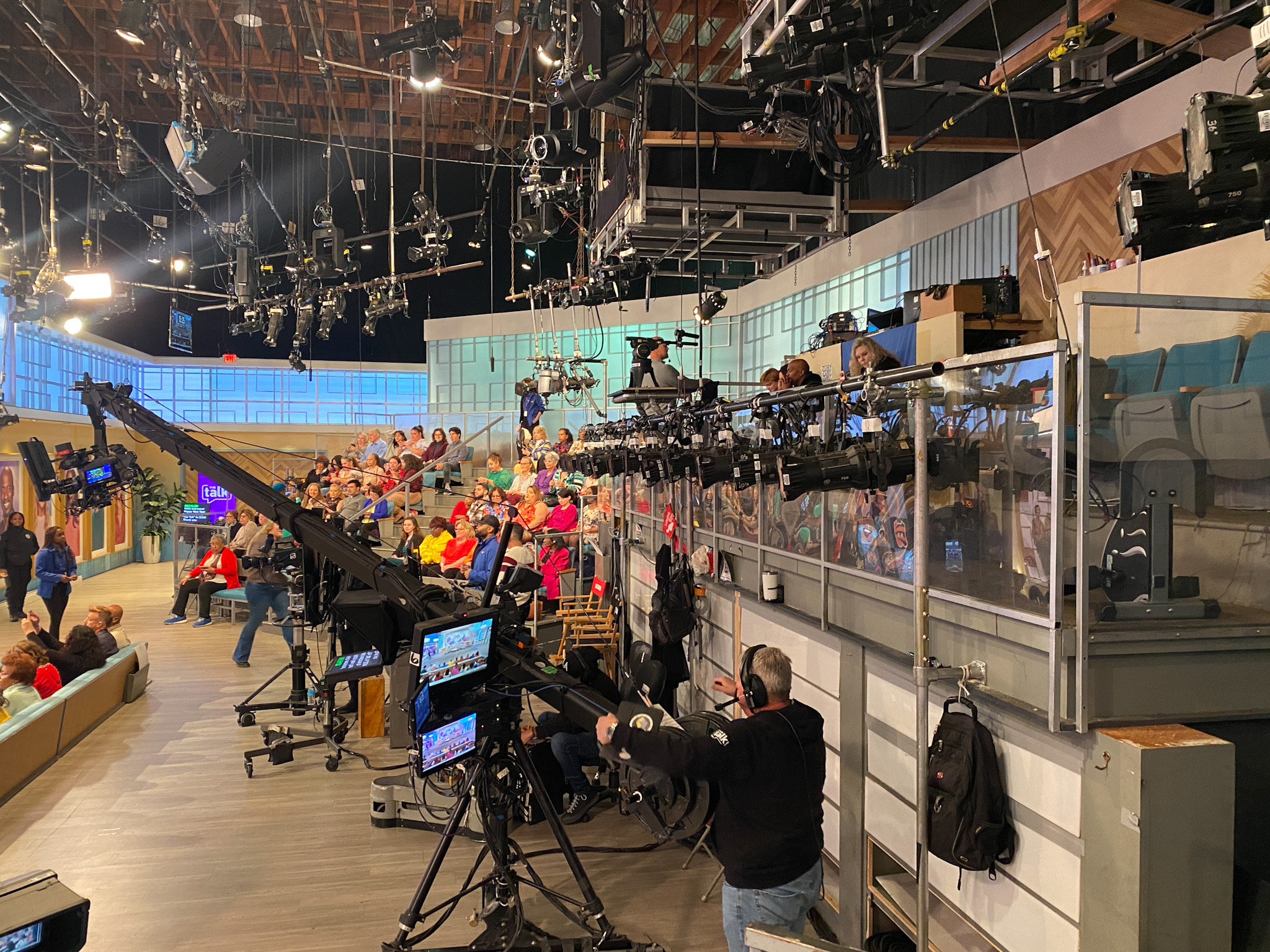
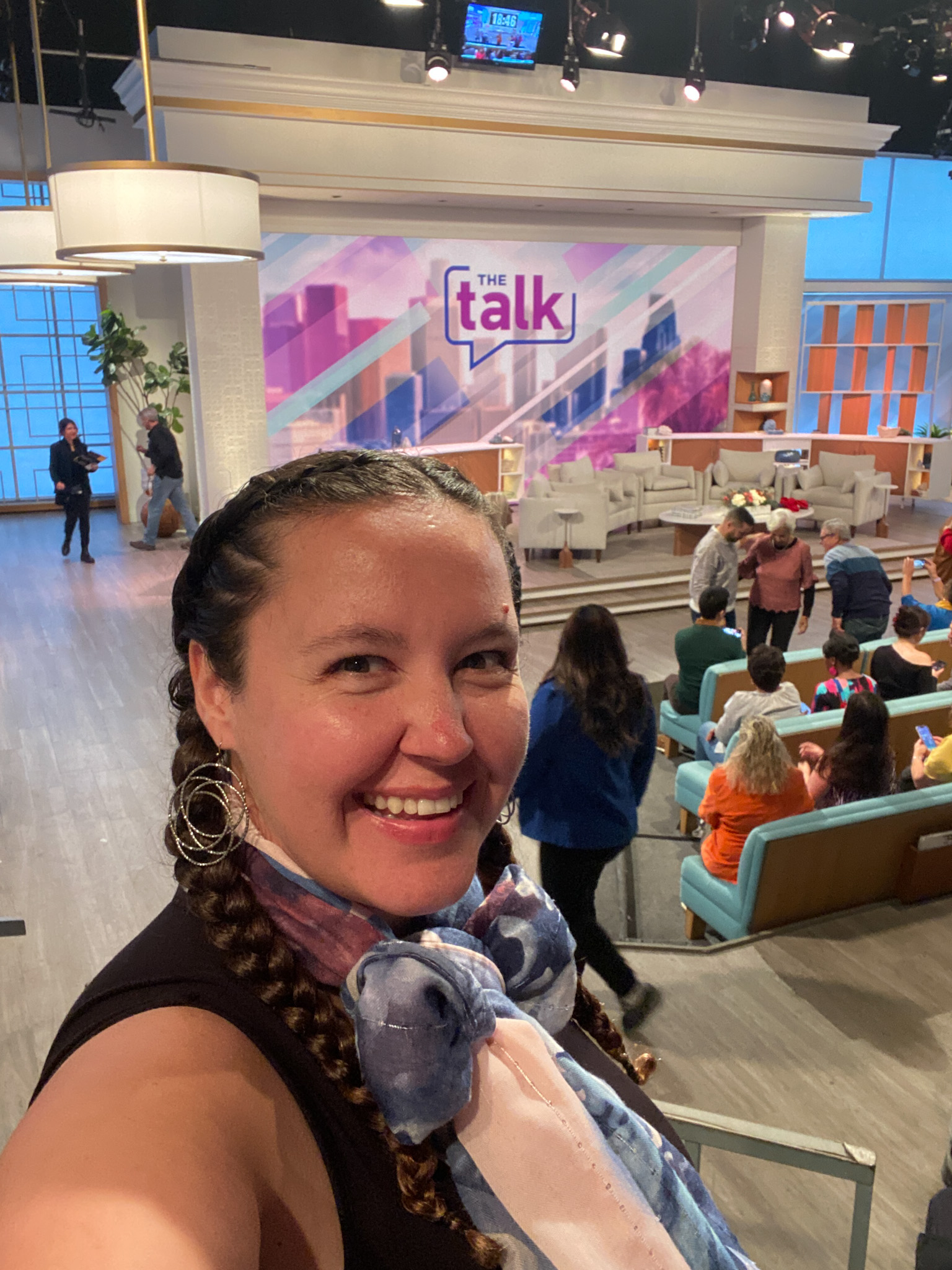
Once you’re in, you get to walk by the sets, props, boxes, fake movable walls, poles, and meticulously labelled wires on the way to your seats. Well, this is true for sitcoms. Talk shows tend to keep most things still hidden. So you will walk onto the set you see on TV in front of a set of seats. For our first show, before we even took our seats, John Goodman passed us and thanked everyone for coming out to the show. This was probably the biggest celebrity I have seen in person. I have now seen Sully from Monsters Inc. in person and the real Fred Flintstone. So, I am a definite fan. This was for the Connors show.
Once you are seated, it’s time to be introduced to the new person in charge. The Hype Man.
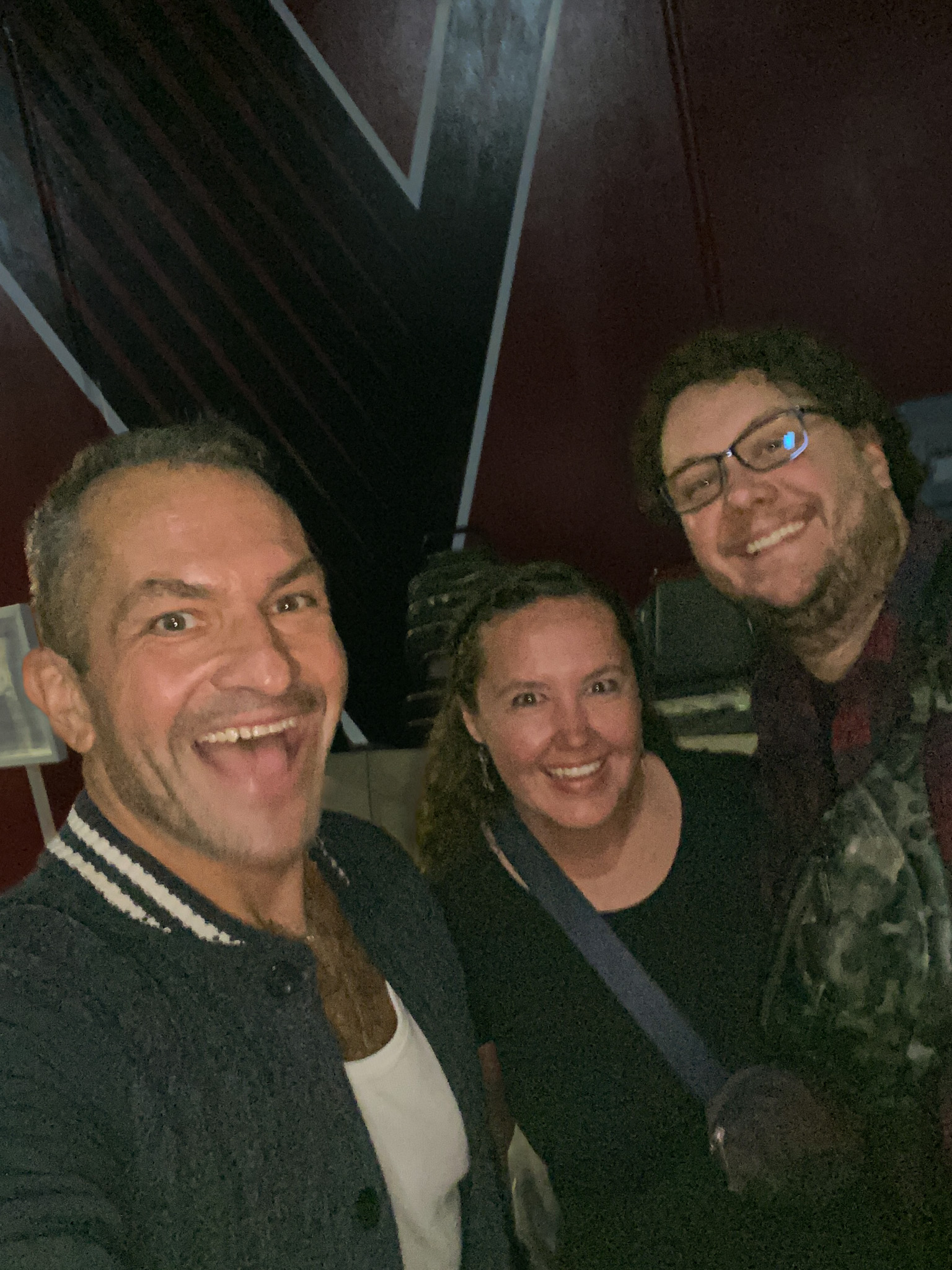
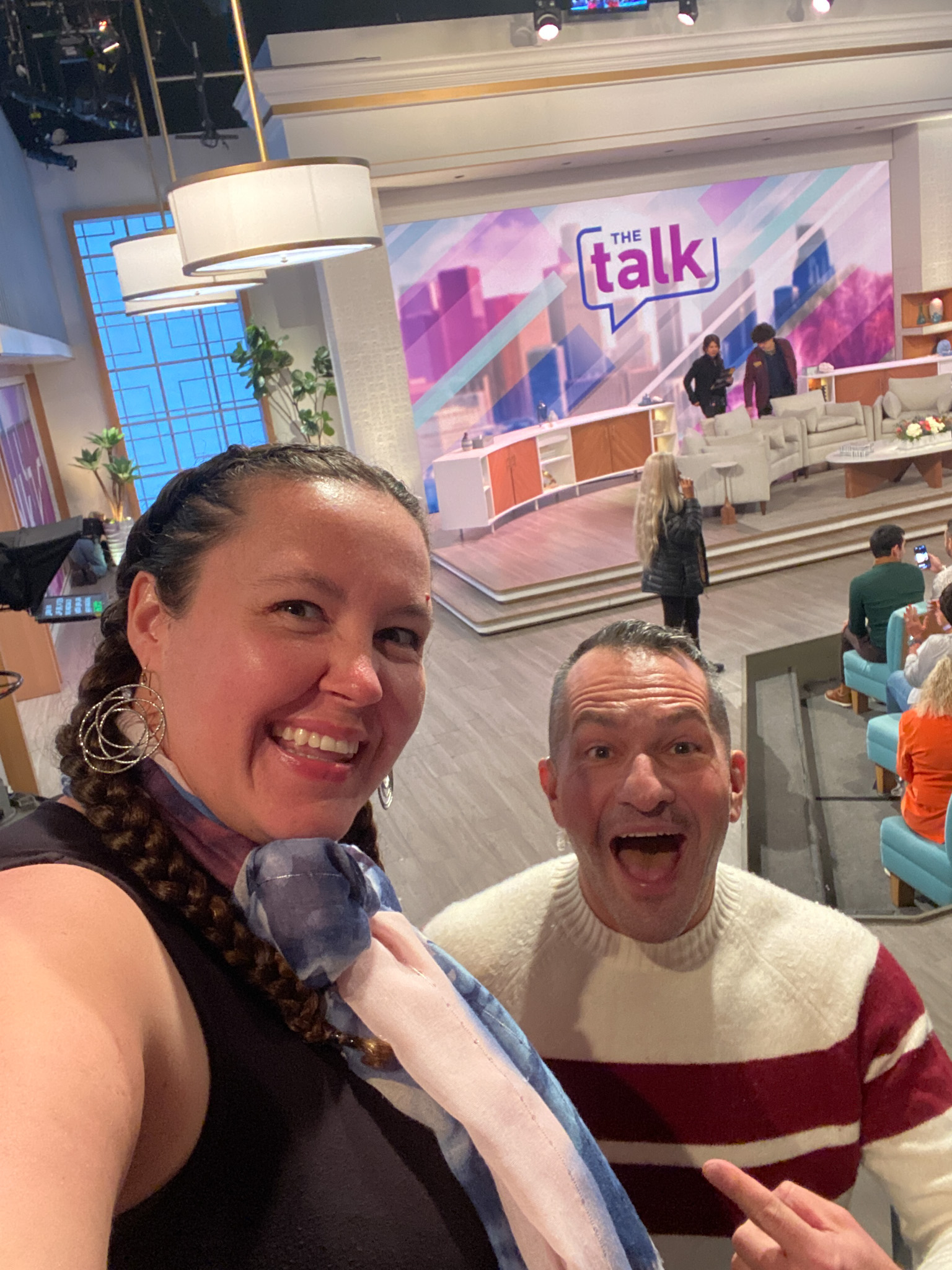
The Energy and Audience Warm-Up: The Hype Man
What the Hype Man Does
All shows we attended had a Hype Man. What does a Hype Man do at a TV taping? The Hype Man’s job is to keep the live studio audience energized and engaged, especially during downtime between takes, so that reactions stay fresh and authentic when the cameras roll. They explain how the show works, what is expected of the audience, and what is and isn’t allowed. In many ways, they are the bridge between the producers and the audience, making sure the TV show taping runs smoothly and feels fun. Their goal is to make the experience fun so you leave excited to share it with others.
You are not just there to clap and laugh. Everything is very interactive. The Hype Man will go into the audience to solicit stories and get people talking to one another. This keeps energy levels high and you engaged. Just know, this is not a keep-to-yourself type of evening out. Be prepared to be talkative. This is a TV show audience warm-up.
Why the Right Hype Man Matters
For most of the shows we attended, the Hype Man was Bill Sindelar, and it was clear why he is so popular. He made the crowd feel part of the experience and kept the energy high. Even when the groups weren’t giving him much to work with. At other shows, like the Jennifer Hudson Show, the Hype Man was not as strong, and the difference in the atmosphere was obvious. That Hype Man couldn’t read the audience and just gave off dance monkey vibes when engaging with people. He didn’t have the skills to solicit true interest or genuine interactions.
I cannot overstate how good Bill is at this job. Johnathan usually gets bored and restless during the downtime at these things. Yet, Bill kept him engaged and even enjoying the experience, which is a feat in itself. If you are ever looking to fill this role, he is your guy. If he ever needs an assistant, I will gladly sign up. It looks like a blast.
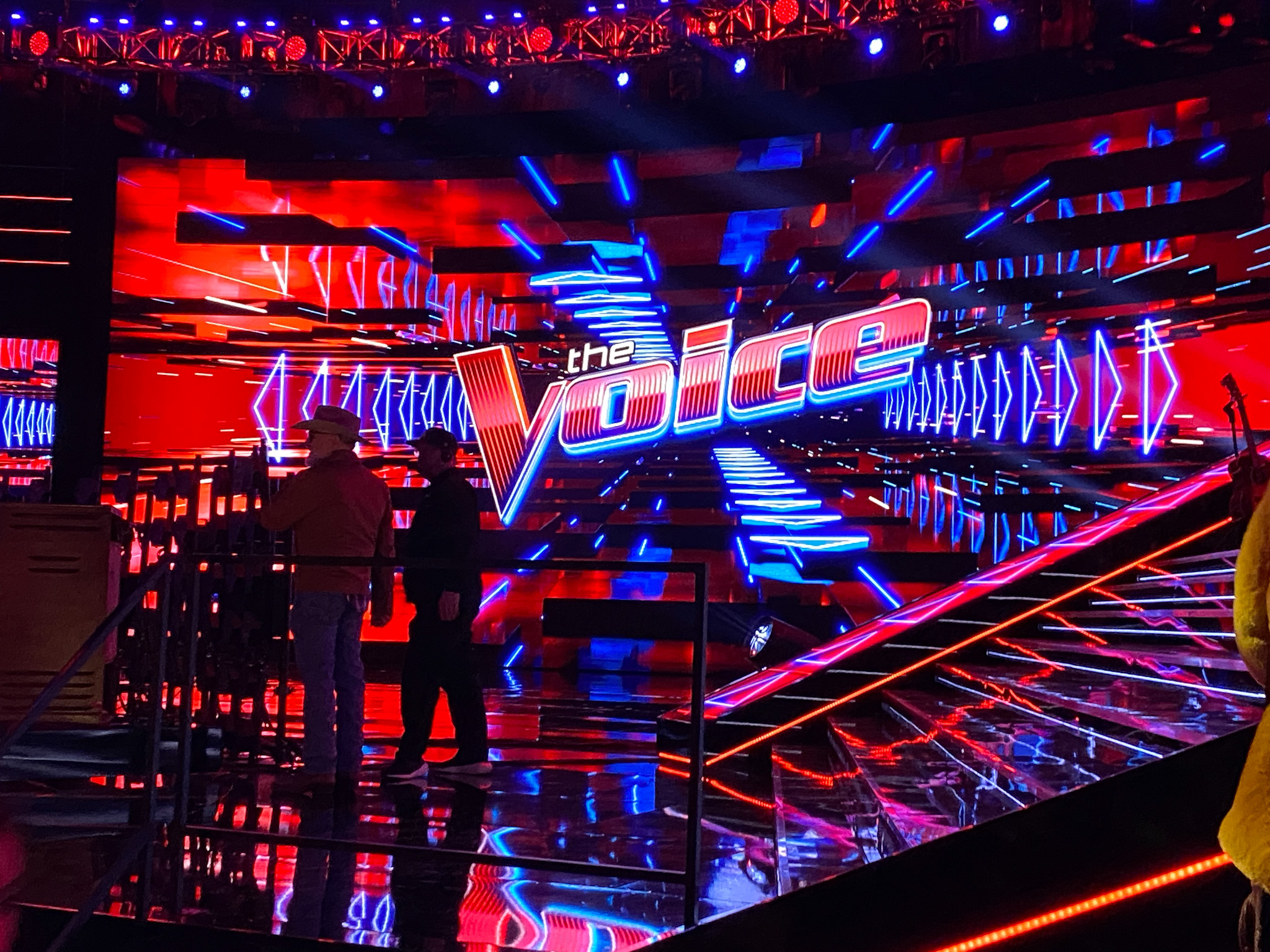

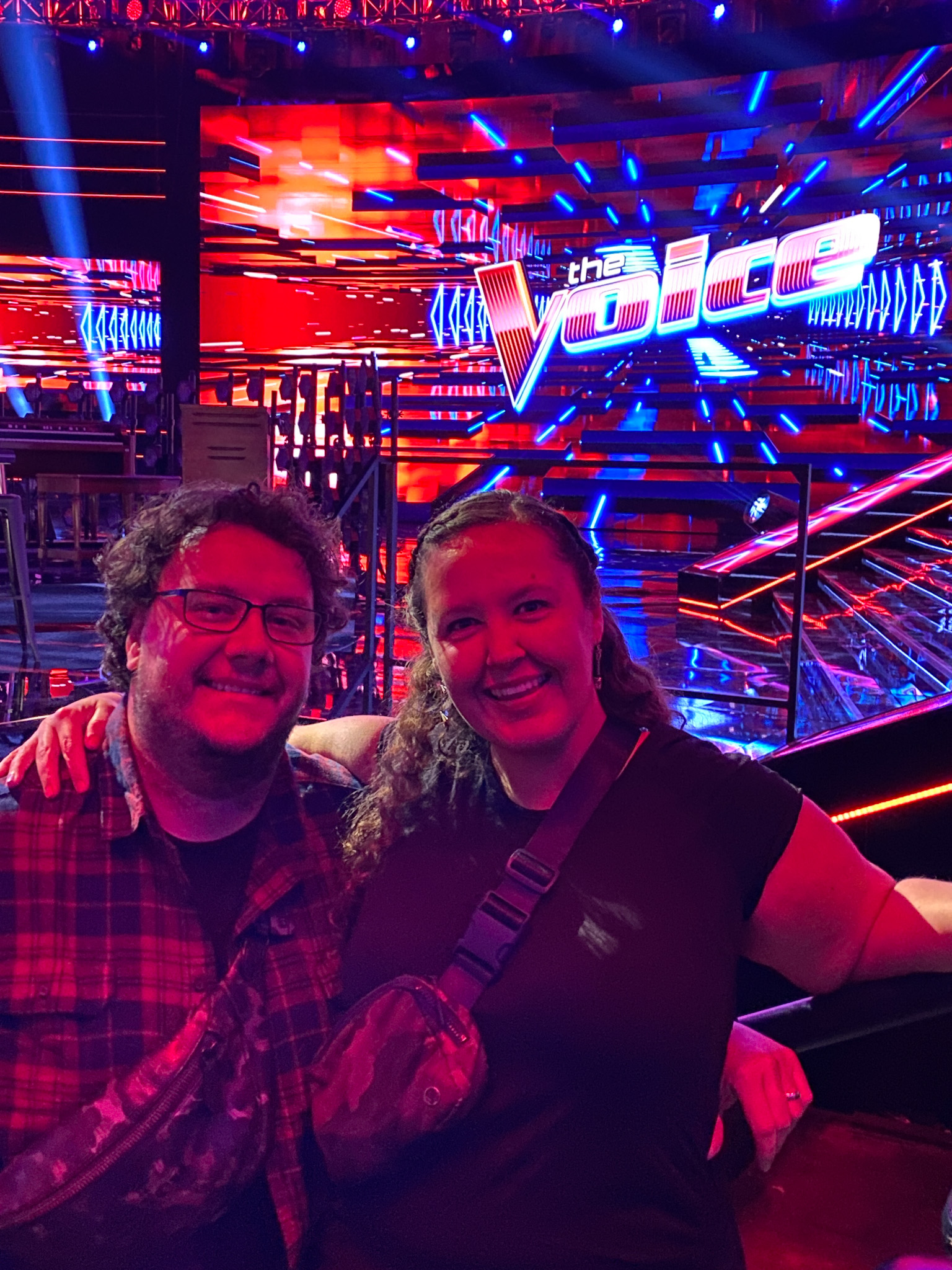

Your Role as a TV Show Audience Member
There is actually a job for you to do as an unpaid audience member. They don’t give you free tickets for nothing. For sitcoms, especially, the audience is there to provide live laugh tracks and real-time reactions that shape how the show unfolds. Writers are on set during filming, and material is often tested right in front of you. They may shoot a scene several times, swapping out lines to see which version gets the best response. In that way, you are part of the testing ground for the show before it ever airs.
For some of our taping, things got filmed multiple times in different ways. I was unsure if this was because they just wanted to test different material, or if this was because we, as an audience, didn’t do our part and fake our laughter well enough. So then they knew the joke wouldn’t hit as well.
Producers and hype people feed off the audience’s energy. The more enthusiastic you are (without overdoing it), the more likely you’ll get noticed. Sometimes leading to giveaways, screen time, or interactions, if that’s what you want.
The audience does need to keep up energy levels even when filming takes a long time. Pay attention to the crew, the set changes, how jokes are tested, or how performers interact off-camera. This is stuff most viewers never see and makes the experience special.
Filming Time and Show Pacing
Filming a TV show is rarely as quick as the final one-hour broadcast. Even live shows often record extra segments, rehearsals, and retakes, so plan to spend 5–8 hours at the studio. Established shows with experienced crews usually move faster because they have established systems and multiple cameras. For example, we spent about 2 hours at The Connors, while Night Court took 3–5 hours. Travel time can make this even more exhausting, especially if you’re far from the studio.
Audience size and setup also vary. The Voice had the largest group, even though their new set reduced the audience by about 70 seats. The Connors had the smallest audience section.
Filming additional segments adds more complexity. During The Voice finale, one contestant had a performance with Niall scheduled for the next show. To stay on schedule, they filmed it a day early with our audience. At first, we thought it was unfair since the other performers got an extra rehearsal day, but he went on to win. It was a fascinating glimpse into how production priorities shape what the audience sees.
The Talk also filmed two extra actor segments for another episode during our taping. This meant wardrobe changes and longer pauses. The male cast, including Jerry O’Connell and Akbar Gbajabiamila, were quicker with their changes and came into the audience to shake hands and chat, which kept us entertained. The ladies took longer, but that just gave the guys more time to make the breaks fun.
By contrast, The Jennifer Hudson Show had the slowest pacing, with long waits to enter and lengthy pauses between segments. Every show runs differently, though, so always expect the unexpected.
VIP Access and Perks
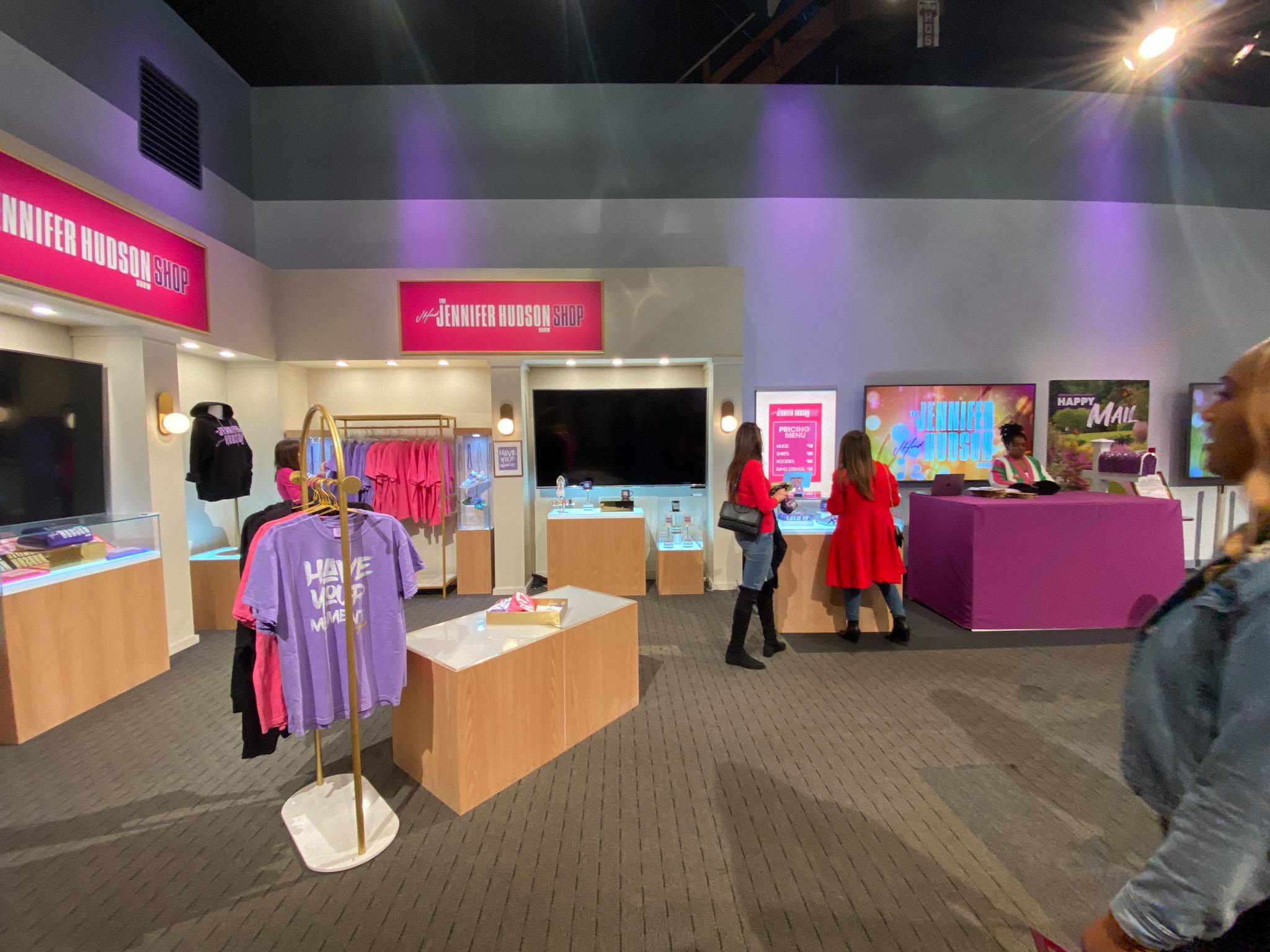
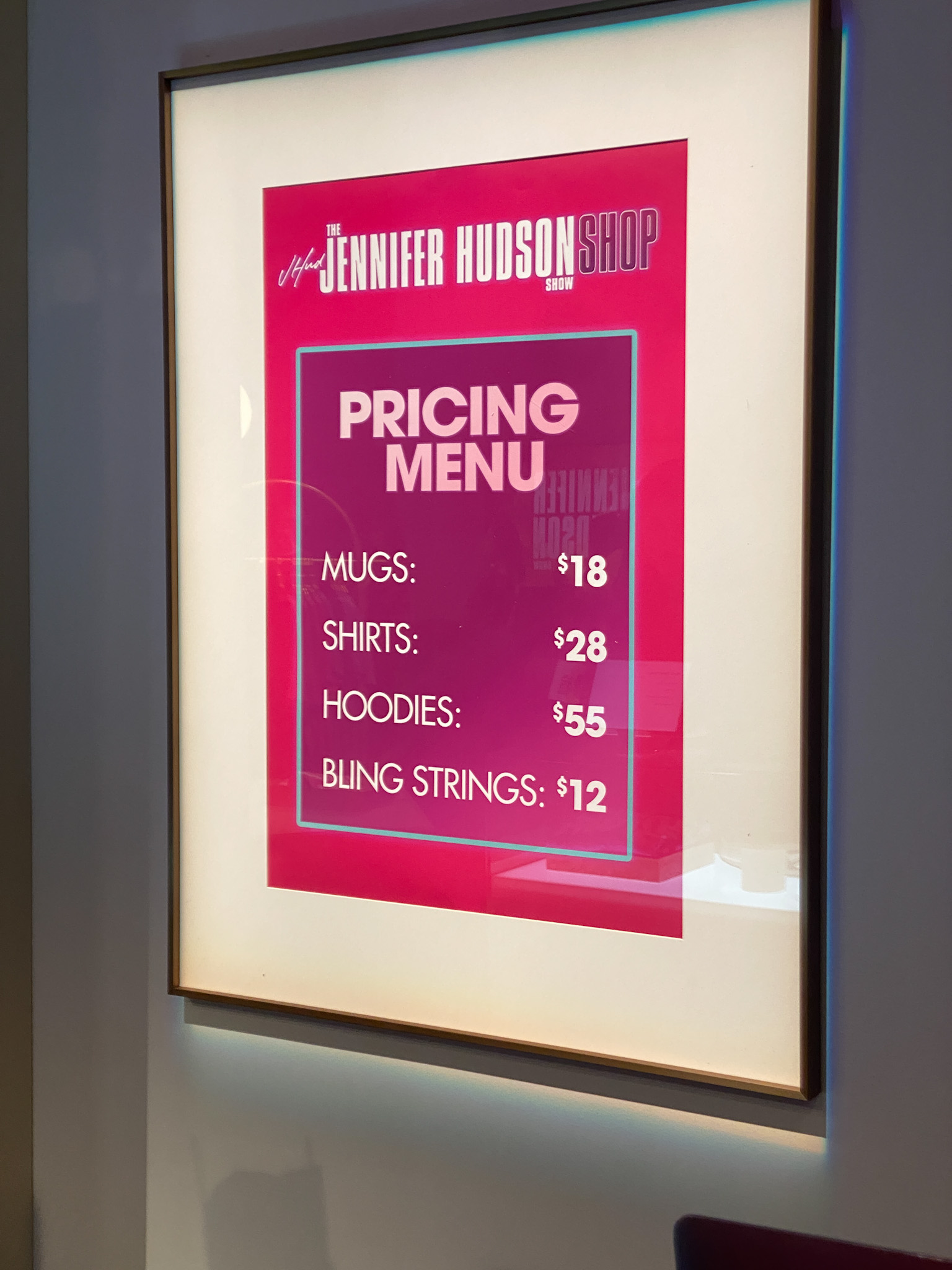
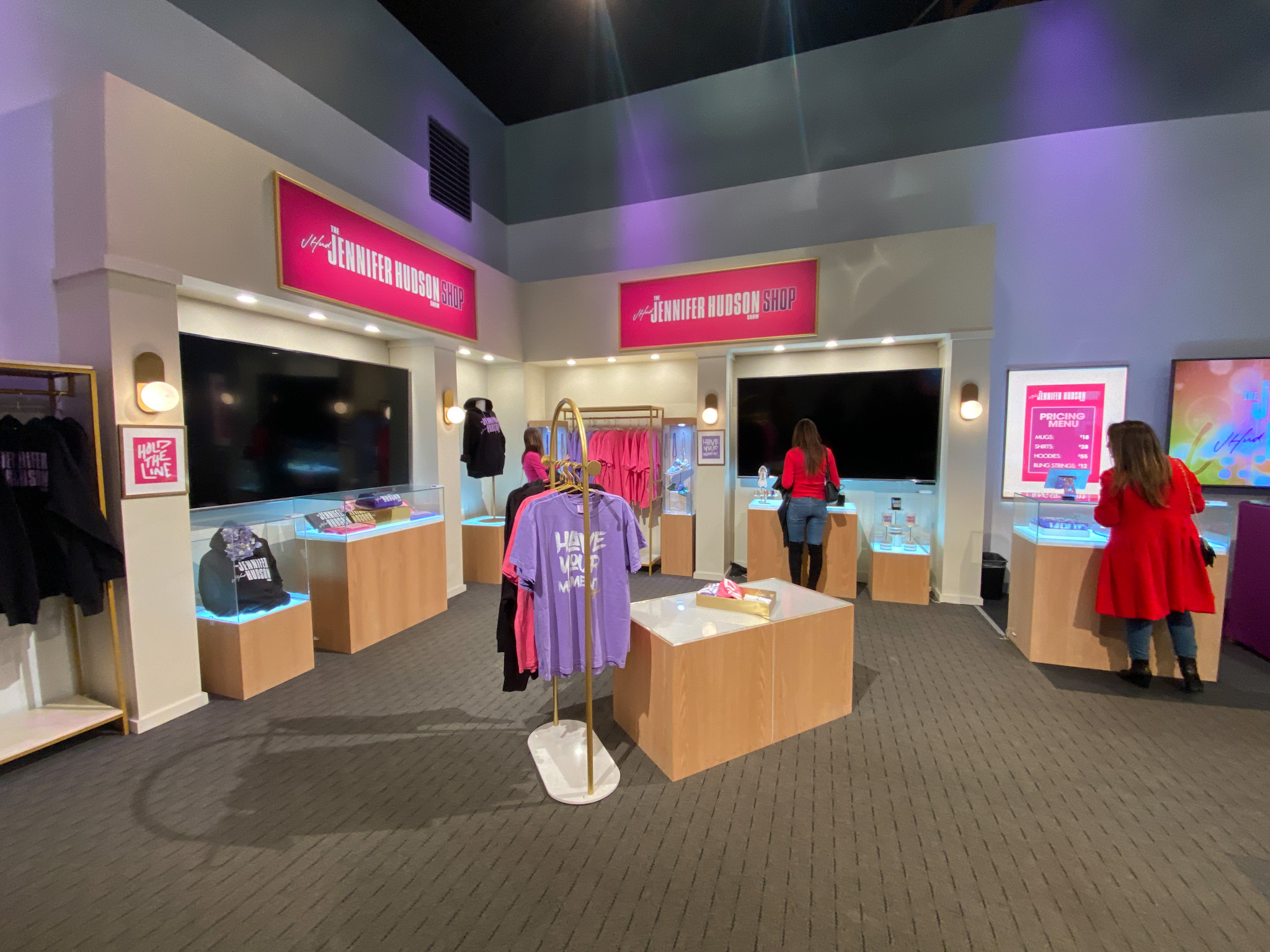
Many shows offer perks for audience members, from free merchandise to celebrity interactions. For example, The Connors and The Voice handed out mugs, t-shirts, and other small items, while established shows like The Talk provide sponsored giveaways as part of the taping. Newer shows, like the Jennifer Hudson Show, may not offer freebies, and merchandise might be available for purchase instead. Availability varies by show and budget.
Audience Interactions and Memorable Moments
One of the most surprising parts of attending tapings was the people we met. A student from Australia spoke to us about his first week in LA and his interactions with the homeless, who were trying to bite him. We spoke to two ladies from California who were planning a visit to Scotland. We introduced them to home exchange.
We also connected with families of contestants and backup singers on The Voice. An eliminated contestant who spoke to us about her journey. A Manager who was signing a finalist after filming. Even a man on The Talk who was visiting his daughter, who just had a baby. He found these shows to be a great way to fill some downtime. All quite interesting. So talk to someone new, you never know who you will meet. A local with great tips or someone with a business connection.
The Best Interaction I Won't Forget
But my favourite interaction happened at our first show, the Connors. I am all for audience participation; Johnathan is not. A typical icebreaker is to ask if anyone is visiting from out of town or another country. As Canadians, we got asked about our time as visitors and what we planned to do in LA.
I told him the list of shows we had applied to and which one we got tickets for. I told him my dream was The Voice, but they had not responded to us yet, so we don’t think we got any tickets. His response was, “Too bad you don’t know anyone on the inside that could possibly help you get tickets.” I was shocked.
I told him not to play with me because I really wanted this. He told me to wait back after the show, and he would see what he could do. He gave me his email and told me to email him, and he would see if tickets were available.
I emailed him once we got back to our accommodations with our full names. He made some calls and told them we were big fans and would be great audience members. Well, they take his opinion very seriously, because not only did we get tickets, we got VIP access. We emailed him in excitement when we got the official email.
How We Became a VIP
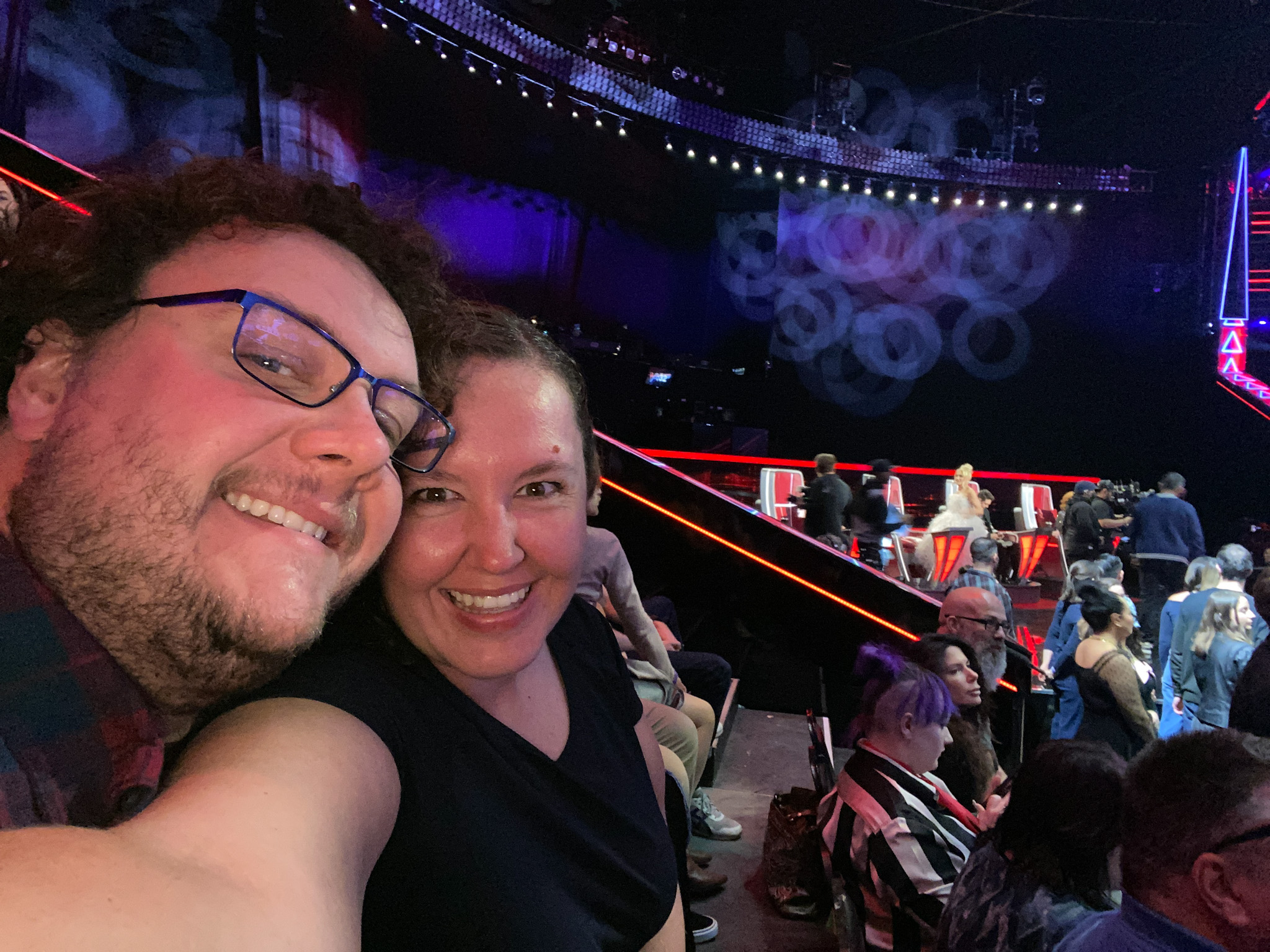
I didn’t realize until the day we arrived that we were VIP. We figured it out because the lady with the checklist told a colleague we were VIP and needed to go into another line that had just 2 other people. I checked our ticket again, as I thought there was a mistake. Yes, Bill had lots of pull. This is where I found out that all the VIP visitors got to keep their cellphones and take pictures inside. A privilege I had not seen before. It was cool, but it got the regular audience upset. They didn’t see it as fair.
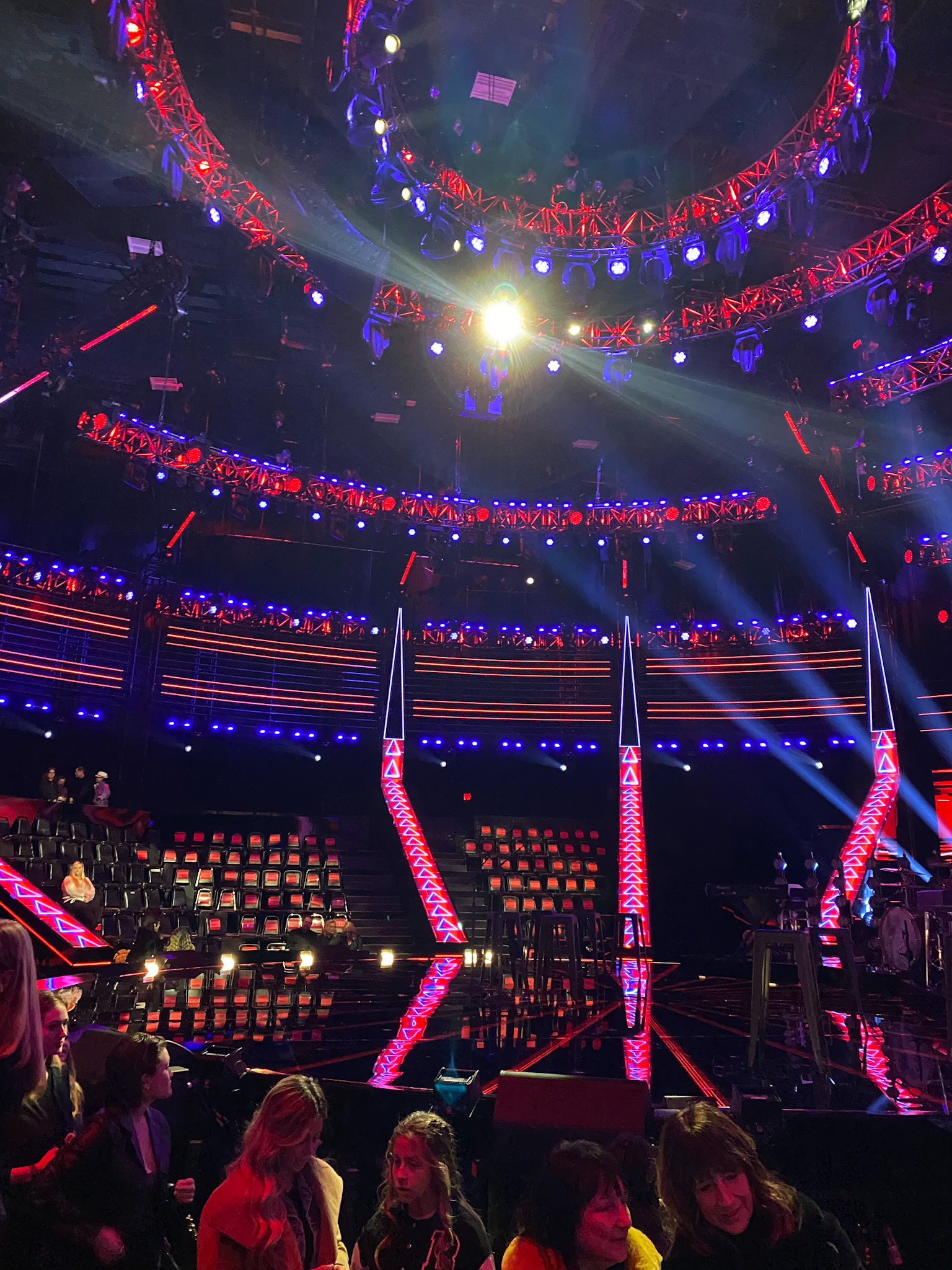
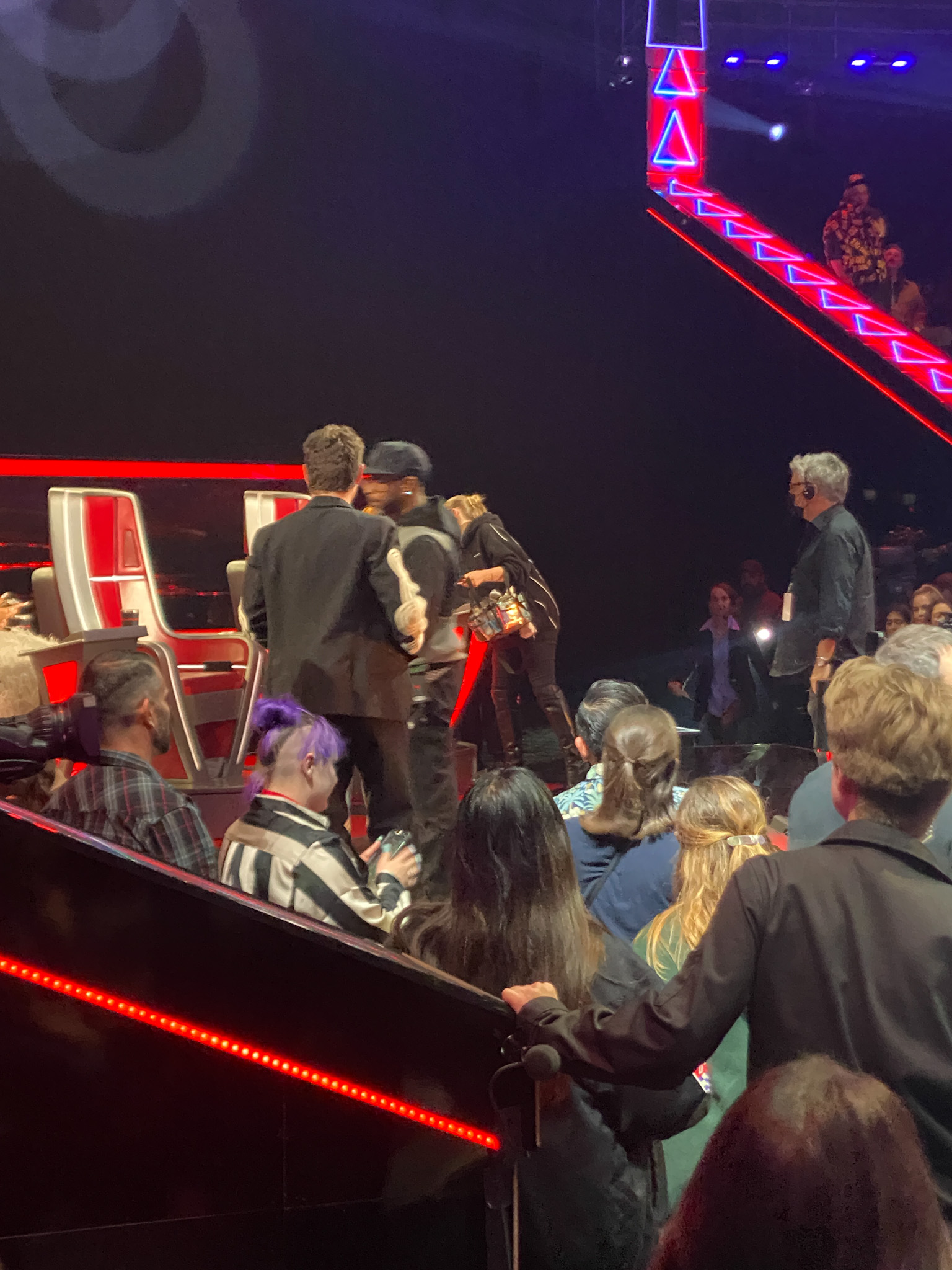
The perks didn’t stop; we were one of the first groups in, and we were in a special section designated for friends and family. We were next to the contestants’ families. Actually, the seats next to us would rotate out the performing family members. This was so the cameraman could stay in one spot to film their reactions as the performances were happening. Which meant we had way more screen time than we should have had.
We had a blast, and here are some pictures of that memorable moment for us.
How to Choose the Right Show for You
Not every show is created equal when it comes to the audience experience. Here’s what we noticed about the different types of shows:
Talk Shows (Jennifer Hudson, The Talk, etc.)
Talk shows might seem spontaneous on TV, but when you’re there live, you realize just how structured they are. Conversations don’t flow naturally. They’re broken up into clip-worthy segments that can feel a little forced. It was an odd takeaway for me because instead of feeling intimate, it gave off more of a detached, Hollywood vibe. And unlike the hype around giveaways you sometimes hear about, not every talk show offers them. The Jennifer Hudson Show didn’t give out freebies. They had merchandise for sale. Episodes also don’t usually air until 1–2 months after filming, so don’t expect to spot yourself on TV right away. You will make a better fit with the show if you are already their target audience.
Game Shows (The Price Is Right, Jeopardy, etc.)
Game shows are high-energy and super interactive. Even before filming, you’ll go through a short interview process where they ask about your story. They want to know if you’d make good TV if you got called up on stage. And yes, this applies to audience members, too. Even if you don’t make it up front, producers are still watching to see who’s enthusiastic and engaging enough to bring into the spotlight. Or even invite back for the next show.
Sitcoms (The Connors, Bob Hearts Abishola, Night Court, Extended Family)
Sitcoms are best to see your favourite actors up close. It’s a behind-the-scenes treat. Not every set is fully visible. Sometimes you’ll watch certain scenes on overhead screens. What surprised us most was how human it felt when actors messed up a line. They often apologize to the crew and their fellow actors. To us, it made them more relatable, even though apologizing wasn’t really necessary.
Competition Shows (The Voice, AGT, Dancing with the Stars, etc.)
Competition Shows (The Voice, AGT, Dancing with the Stars, etc.) These are a blast. They come with lots of waiting around, but once the cameras roll, the filming often moves faster than sitcoms. There are lots of moving parts. Stage resets, multiple performances, and non-disclosure agreements to make sure no spoilers leak. It’s amazing to see it all get set up for a short performance. Even when they can run a short test before they go live. Still, the energy in the room is electric, and if you’re a fan of the show or contestants, nothing beats being in the live audience.
New shows are often easier to get tickets for since they haven’t built up a fan base yet. The flip side is that they may feel less polished, with awkward pacing or long breaks. But if you want the “I saw it before it was big” bragging rights, it’s a fun choice.
FAQs About Attending a TV Show Taping in LA
How early should I arrive?
Earlier than you think. Even if your ticket says to arrive at a certain time, the shows almost always overbook. For The Price is Right, it was full 1.5 hours before the listed check-in. Plan buffer time for traffic, parking, and even getting lost around the studios.
Are kids allowed in TV show audiences?
Most shows require you to be at least 16 or 18 years old, but it depends on the type of show. Game shows usually have stricter rules than sitcoms or talk shows. Always check the ticketing website for age requirements before booking.
Is there a dress code?
Yes, and it’s enforced. Avoid logos, busy patterns, and plain white. For sitcoms, it doesn’t matter as much since you’re not on camera. For talk shows and competition shows, expect them to want a “going out” look. Think nice casual, like a dinner or night out. Some shows even give themes. For The Price is Right, it was a college football week episode, so we were encouraged to wear jerseys of our favourite teams.
What happens if the show is full when I get there?
Some shows will give you a priority ticket for the next taping. But as a tourist, that usually doesn’t help. You won’t still be in town. The worst is when they keep you in line for over an hour just to turn you away. At that point, your whole day is gone, and you could have been experiencing another part of LA instead.
Can I bring food or water?
Usually, yes. But only in the holding area. Everything has to be gone before you enter the studio. Some shows provide snacks (The Connors gave us sandwiches and chips), while others offer almost nothing (The Voice limited snacks to one per person). Small, packable snacks like nuts or fruit are a lifesaver.
Can I take pictures inside the studio?
Only VIPs or special guests can use phones. For everyone else, phones usually have to be left in your car. Sometimes they’ll allow them if they stay zipped in your bag, but other shows will bag-check and stop them from coming on set at all.
Do you get paid for attending?
Nope. The tickets are free, and so is your job as the audience. Your “payment” is the experience of seeing behind the scenes and sometimes getting to interact with hosts or stars.
Can I park earlier and visit the surrounding areas?
No, you are given a time slot to show up for, a bit before may be possible, but too early can get you turned away.
Is It Worth It? Our Honest Take
We recommend the experience. It’s one of the few free activities in LA, often with free parking, and a nice break from the city’s high costs. We skipped studio tours because tapings gave us the same behind-the-scenes feel without the price tag.
Tapings often run over five hours, and once you add travel, getting ready, and meals, they can take up most of your day. Do not let them take over your whole trip. Choose shows that fit your interests. Competition shows and sitcoms are lively and fun, while talk shows may disappoint unless you are a devoted fan. Still, being there for a viral moment can be unforgettable.
Overall, it’s a unique chance to see TV magic up close. Sitcoms usually mean smaller, easier crowds, while competition shows draw the largest. If you’re impatient or dislike crowds, this may not be the activity for you.
Final Thoughts: The Magic Behind the Scenes
Attending a TV show taping in Los Angeles is more than just seeing your favourite stars. It’s stepping into a living, breathing production where every clap, cheer, and reaction helps shape the show. From the energy of the audience warm-ups to the choreography of filming, you witness firsthand the teamwork, timing, and creativity that rarely make it to the screen.
It’s a chance to be part of some intimate moments that exist only in that studio for a few hours before they’re captured for millions to watch later. Beyond the sets, props, and cameras, the real highlight is the human experience. Connecting with other audience members, feeling the excitement in the room, and sometimes even leaving with memories, stories, or VIP moments you’ll never forget.
In the end, a TV taping is a unique blend of behind-the-scenes insight, live performance, and audience participation. If you go in with curiosity, patience, and a sense of fun, it’s an unforgettable way to experience the magic of television up close.
Sharing is caring!