

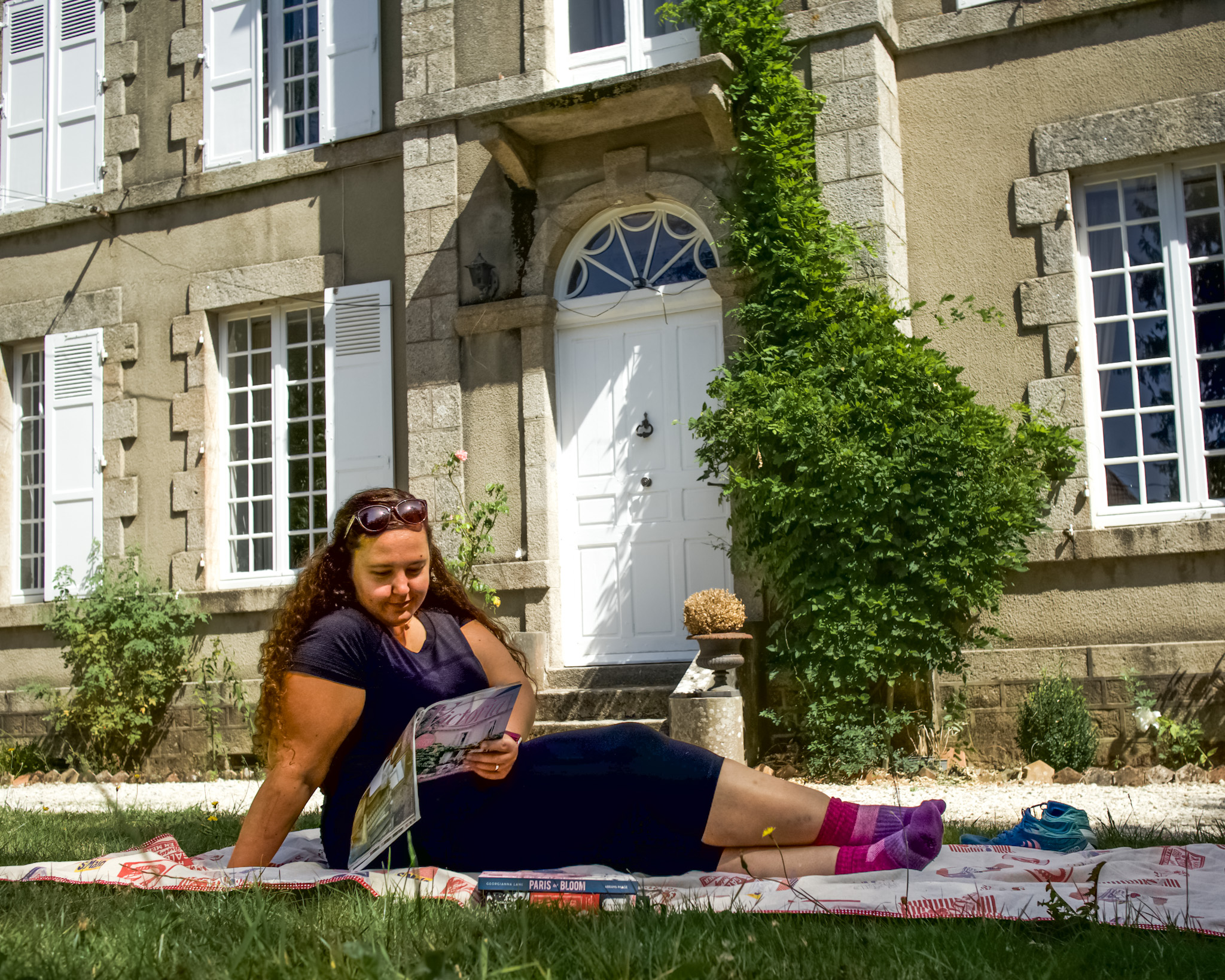
Why Workaway Didn’t Work for Us and How We Found a Better Château Volunteering Experience in France
What’s it really like to do a work exchange in France, trading your time and skills for room and board in a centuries-old château? After four years of full-time travel across multiple continents, we wanted an immersive, hands-on volunteering experience. We no longer looked for the city center. Rural France seemed genuine and slow. Just what we needed.
Our first work exchange wasn’t about saving money. We had the means to keep travelling. But it was about learning hands-on skills, connecting with locals, and settling into a daily rhythm. Skipping the gogo rush. From painting shutters and clearing storerooms to sharing meals with our warm and welcoming hosts, our weeks in the countryside gave us an entirely new perspective on travel.
1. Why we tried a Work Exchange in France.
Like we said, we wanted to skip the tourist rush and have a deeper connection with a place. A chance to gain real skills while living like locals. You can’t get that travelling from a hotel, to Airbnb or even at a home exchange. This part of travelling felt missing. We saw work exchanges as a way to learn about the real challenges of living in another country.
But why France? Honestly, we were already there. Travelling far by flight didn’t seem reasonable when there is always a chance that things won’t work out. We knew France had so many places we had yet to see. So why not see the many beautiful areas that North Americans usually skip? We could have picked anywhere, but there was no need to travel far for something new; it was at our doorstep.
2. WorkAway: Why it Didn’t Work for Us.
To make it easier, we bought a Workaway membership to streamline our search and connect with legitimate hosts. We heard such great things, we thought if there is availability, we’re great hard-working people, we can get along with most. Workaway is one of the most popular platforms for work exchanges. If it were going to work, it would be this way. While Workaway is widely used and has plenty of opportunities worldwide, we quickly discovered some limitations.
First, many hosts didn’t keep their calendars up to date. Listings often showed availability that wasn’t accurate, and if we received messages, it was for dates that we had already booked. This made planning difficult, especially since we like to organize travel well in advance. The reality is that no matter how good the match, it just sometimes doesn’t work based on schedules. But we are planners, and unreliable calendars are a deal breaker.
Second, some hosts preferred last-minute arrangements. While spontaneous plans can work for some travellers, we needed certainty. Coordinating trains, local transport, and personal schedules earlier in rural France would mean we could limit unnecessary stress and cost.
Third, the platform’s emphasis on “free stays” we found to be misleading. Workaway markets exchanges as a way to save money, but in reality, nothing is entirely free. Transport, local expenses, and rural travel logistics add up, so having a travel budget is essential. Travellers who rely solely on Workaway for cost-saving could be caught off guard by these hidden costs. Nothing is truly free, and having a budget for travel changes the dynamic completely. You need to be able to leave should things not go well.
Finally, while Workaway offered many options, not all hosts were a good cultural or personality fit. We quickly realized that online reviews and profiles only tell part of the story. Careful vetting hosts with a video call is essential before committing to a stay. A good fit for me won’t necessarily be a good fit for you.
While Workaway offers plenty of opportunities worldwide, we discovered some limitations:
Outdated calendars: Listings often showed availability that wasn’t accurate, and messages sometimes came for dates we had already booked.
Last-minute arrangements: Some hosts preferred spontaneous planning, which didn’t fit our travel style.
Hidden costs: Workaway promotes “free stays,” but transport and local expenses can add up, particularly in rural areas with limited public transit.
Host fit isn’t guaranteed: Online reviews and profiles only tell part of the story. Careful vetting with a video call is essential.
Quick Tip: Workaway can be useful, but always budget for transport and local costs, and plan to vet hosts carefully.
3. How We Found a Work Exchange Host in Rural France
Shifting Beyond Workaway
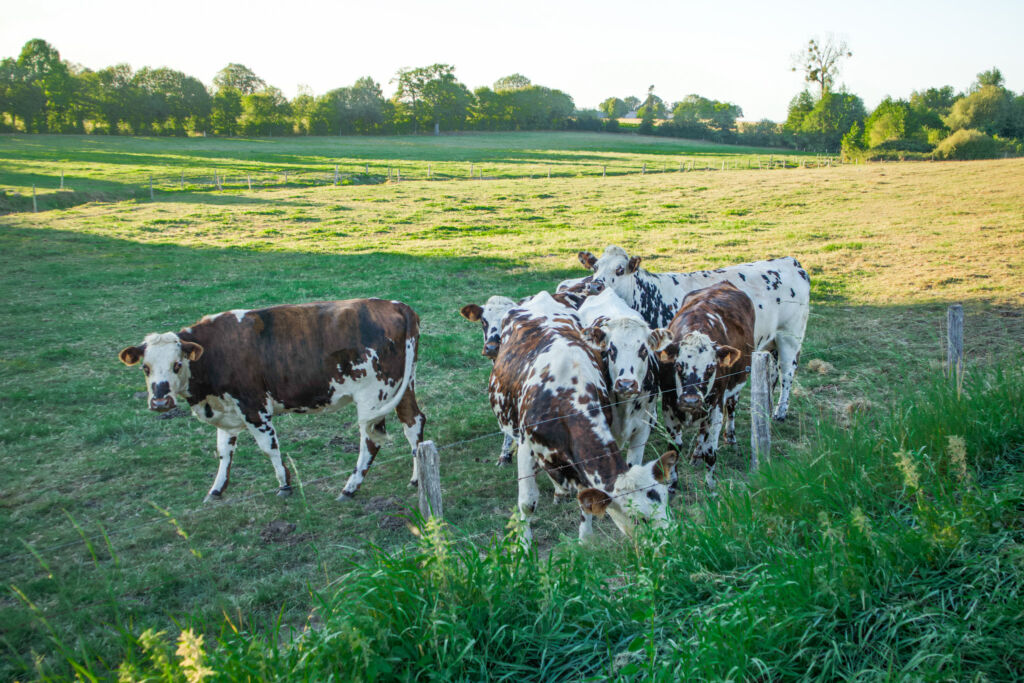
Because of these limitations, we expanded our search beyond Workaway, posting in Facebook groups and connecting directly with hosts. We shared our story, explaining why we wanted to volunteer and what we could bring. As messages started coming in, we carefully vetted each one. We were surprised at how many people could use our help.
The Château Invitation
One woman reached out with a casual, somewhat vague message inviting us to help at a château in the French countryside. At first, her message didn’t particularly stand out, and we were skeptical; it lacked detail and felt informal. We had way more questions than answers.
The Video Call
A video call was scheduled with her. We wanted to meet “face-to-face,” discuss logistics like sleeping arrangements, and get a virtual tour of the living quarters. We also reviewed other messages and ruled some hosts out due to accommodations not suitable for couples, overly rustic conditions, zero assistance in transportation or personality mismatches. She explained that her husband was more private and less involved in communications, which made us a bit nervous. What if he didn’t want us there?
First Impressions
The call was surprisingly laid-back, which initially worried us. Johnathan and I were a bit unsure since she gave us a general idea of tasks, but these lacked detail. Lack of structure can sometimes be a red flag. Yet, she reassured us that she wanted a cultural exchange; she was not looking to exploit travellers for work. The work was flexible, and she emphasized that we needed to enjoy the area and not just work. Château volunteering in France could be our perfect fit.
Why We Said Yes
After our video call with her, our concerns were mostly put to rest. We saw the large property and numerous tasks as an opportunity to be genuinely useful. The living space was suitable, the work aligned with what we could offer, and the timing fit well with our schedule. But was that enough?
We still had questions to consider. What about the area? We would be in rural France, in Normandy, the French countryside. Bordering the province of Pays de la Loire. Would we be close to anything? Did we care?
The Outcome
This approach led us to our first confirmed work exchange, which aligned perfectly with our goals. While Workaway remains a useful tool, we found that posting in Facebook groups was more effective, ultimately resulting in three confirmed exchanges. Combining different methods can improve your chances of finding the right fit. If you want to check out Workaway, see it for yourself.
4. Arriving at Our French Château Work Exchange: First Impressions in Rural France
When it was time to make our way to the Chateau, the nerves began to set in. We had an early train ride. We scheduled it this way to account for any delays and to give ourselves time in case things went south. Our train was delayed, but when we arrived, she was exactly as she’d seemed online. Warm, bubbly, and genuinely excited to meet us. She was recording as we got off the train. On the way back to the château, she asked if it was okay to make a quick stop to pick up a chair, and we gladly helped load it into the car.
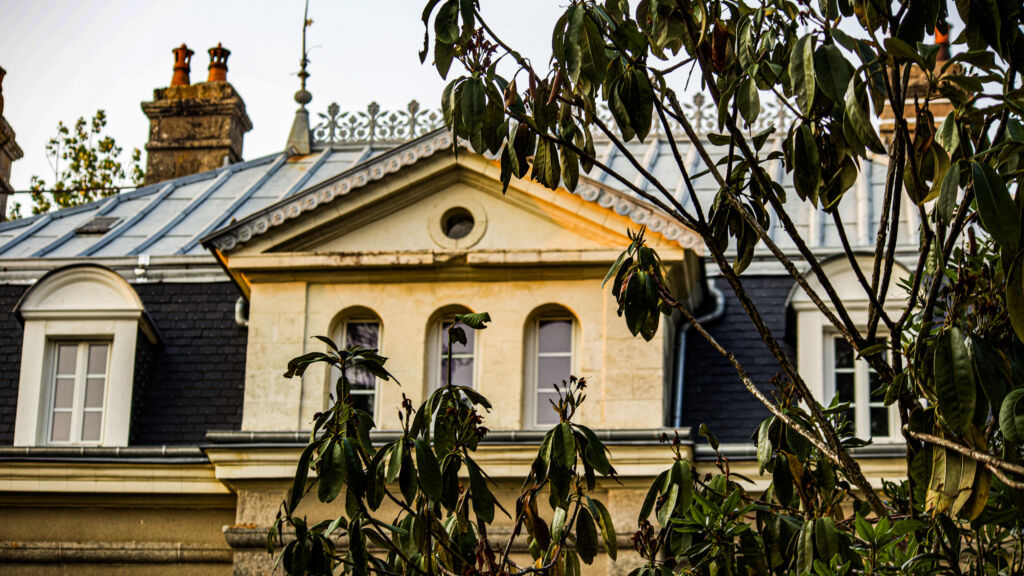
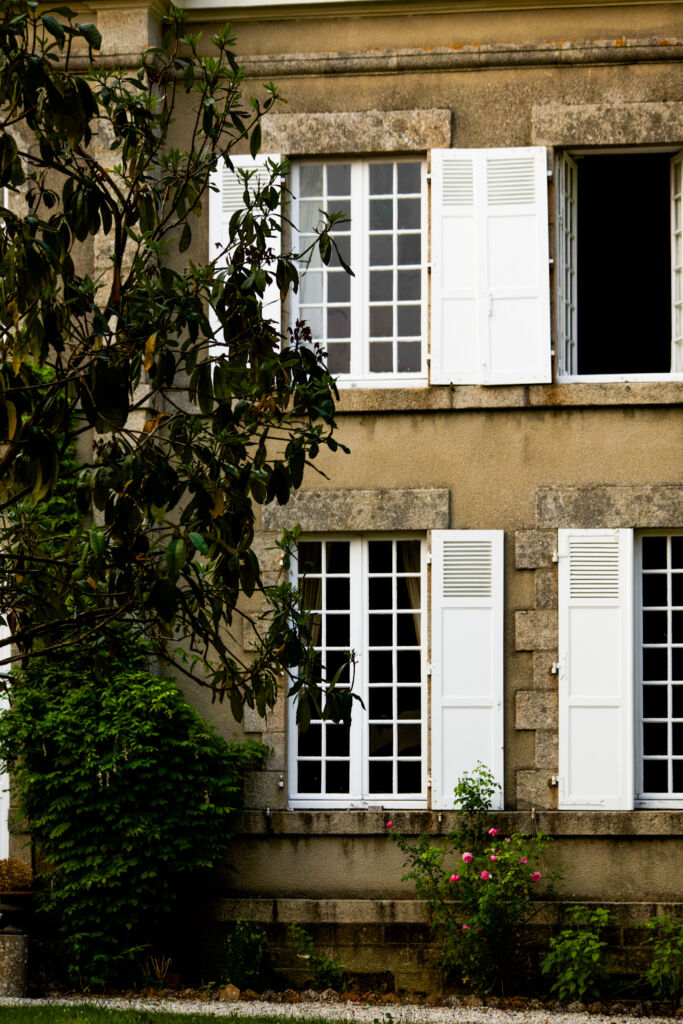
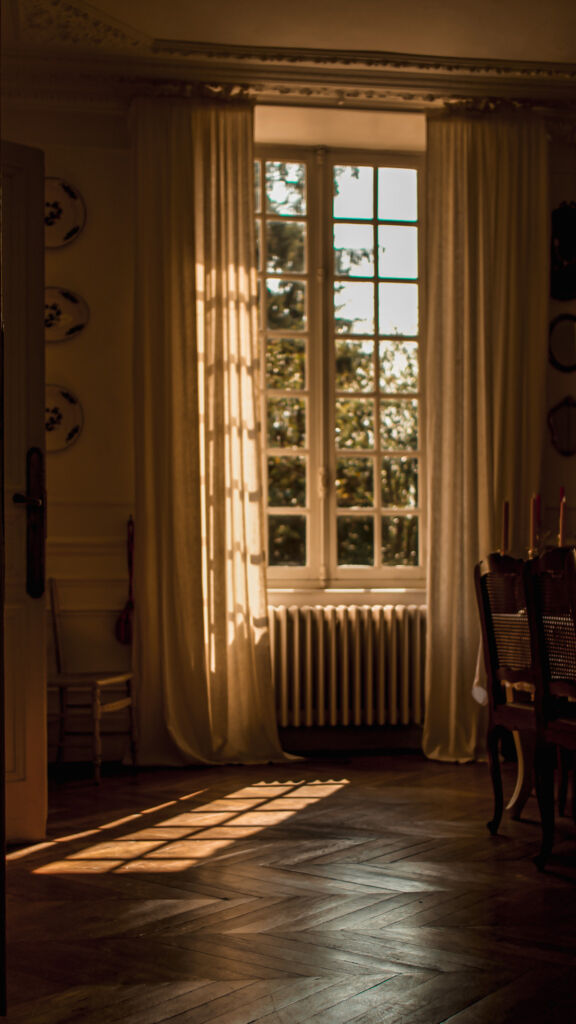
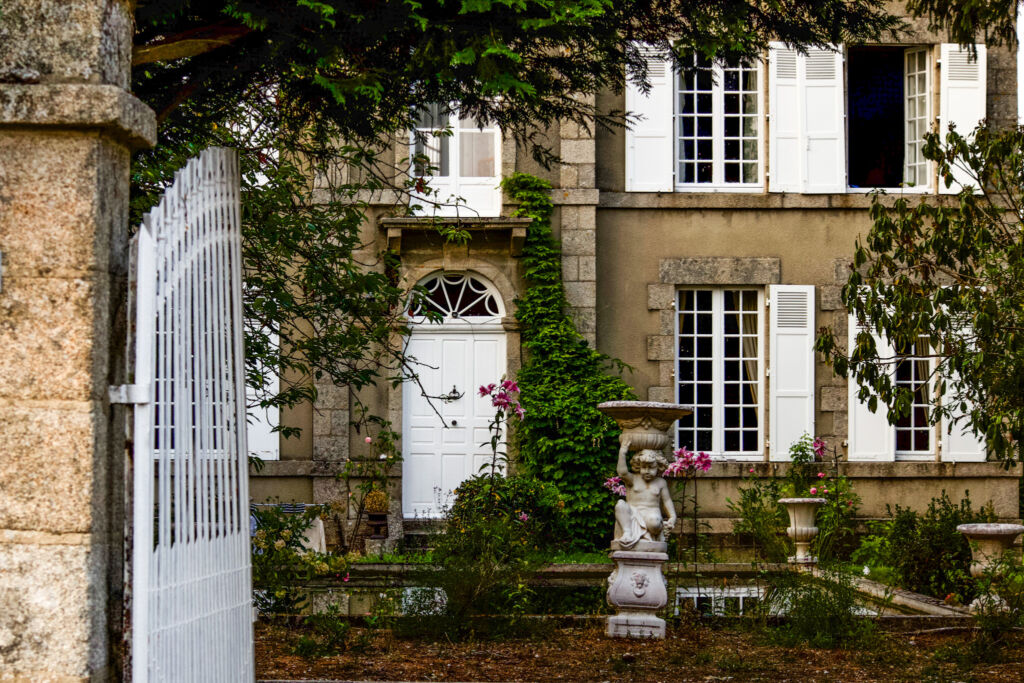
Walking onto the property felt like stepping into a movie. The château had a rich history, with elegant old-world charm, but also signs that it needed some love and care. We got a tour and we were told to pick any bedroom. We chose the one with two double beds. No rearranging necessary, just comfortable. On the phone, the original plan was to be upstairs with a bit more privacy. But the room was set up with 2 single beds, so it wasn’t appropriate for a couple. The room we selected was suitable, and it was nice to look out onto the pond in the front vs the back of the property.
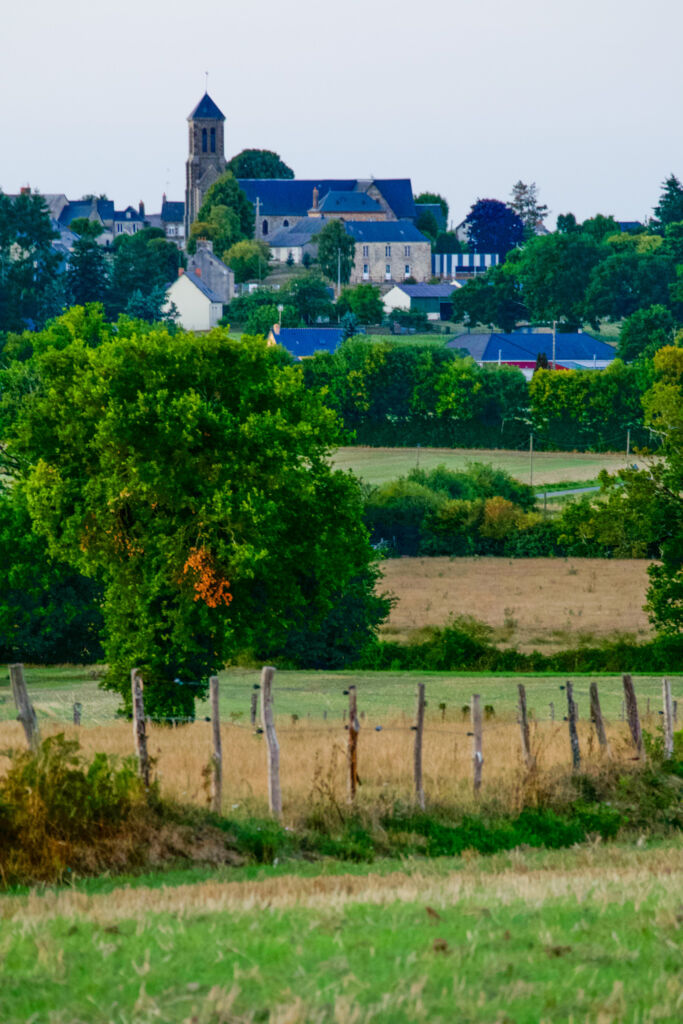
The château is located in the peaceful countryside near a small village, exactly the quiet refuge we wanted after years of non-stop travel. We looked forward to a place where we could work on our projects, slow down, and soak in local life.

5. Settling Into a Work Exchange Routine at the Château
First Impressions of the Work
Our château volunteering experience ranged from heavy lifting and outdoor work to detailed indoor projects. While we didn’t pick up many new formal skills, we gained valuable insight into château life, manor home maintenance, and the realities of being foreigners managing property in France. The workload was significant enough to feel that we genuinely eased the burden on our hosts, who were otherwise managing a large estate with just the two of them.
A Typical Workday
We started working the next morning after arrival. Our workday typically ran from 9 a.m. to 1 p.m., five days a week, averaging about four hours of physical and hands-on tasks. Looking back, with a slightly earlier sleep schedule, we would have preferred an 8 am start to make the most of the quiet mornings. But the later nights dealing with computer work had us in another routine.
Outdoor Projects
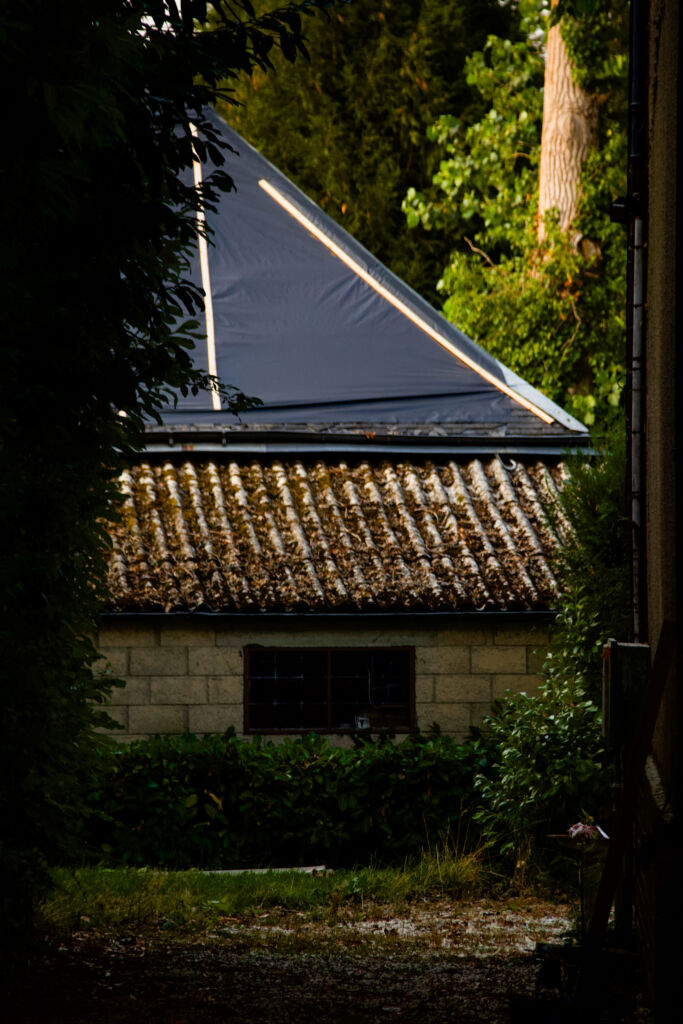
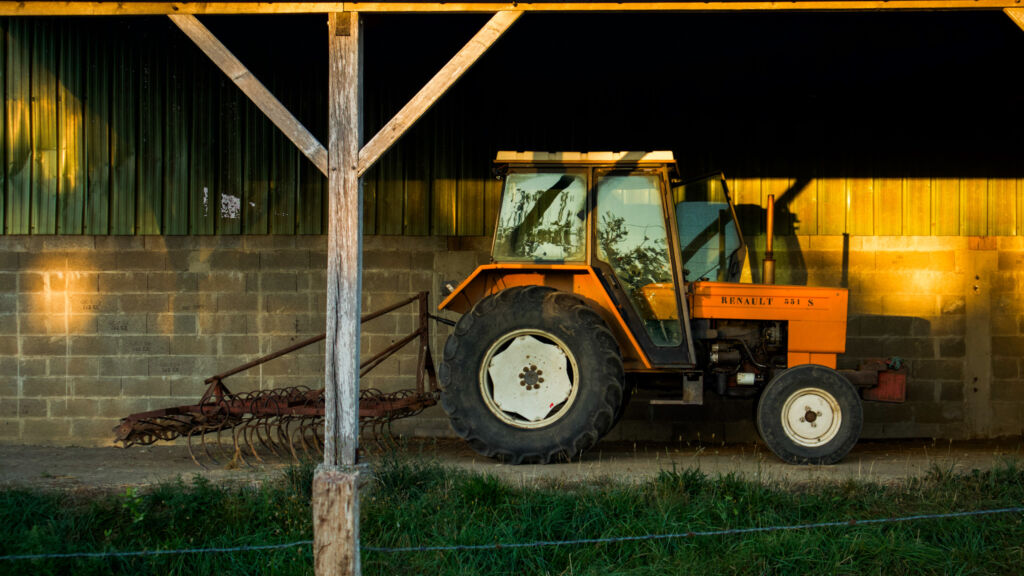
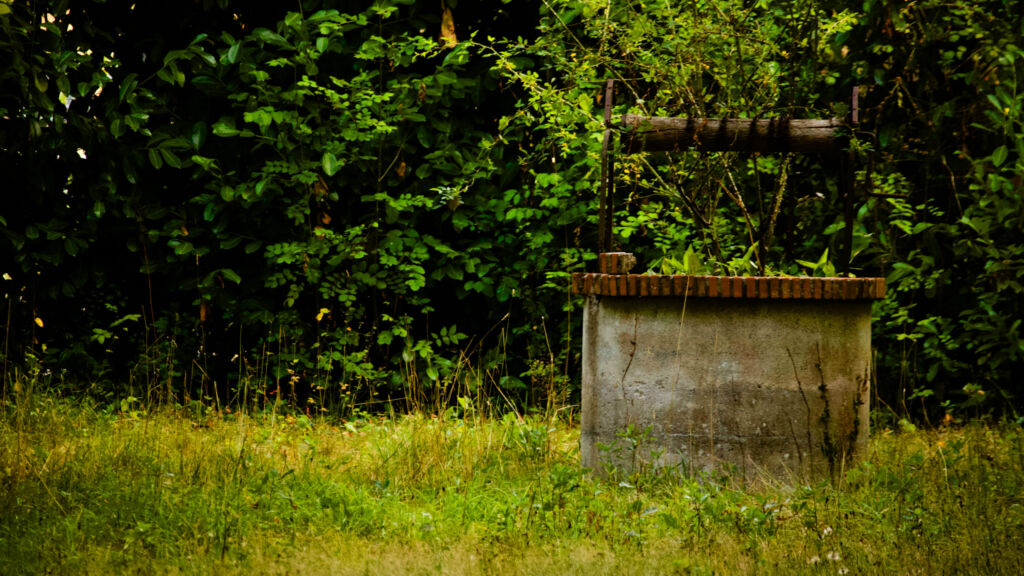
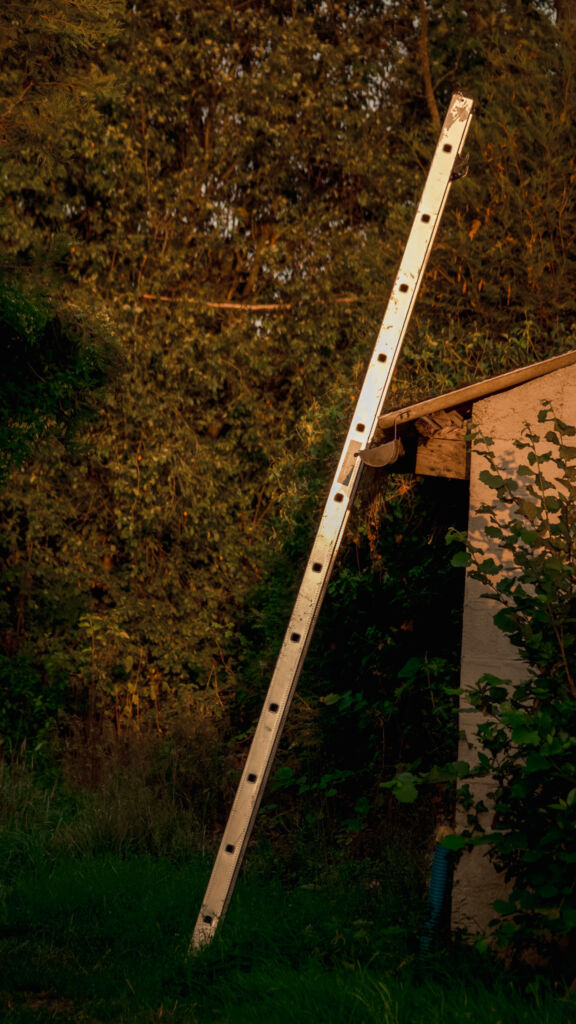
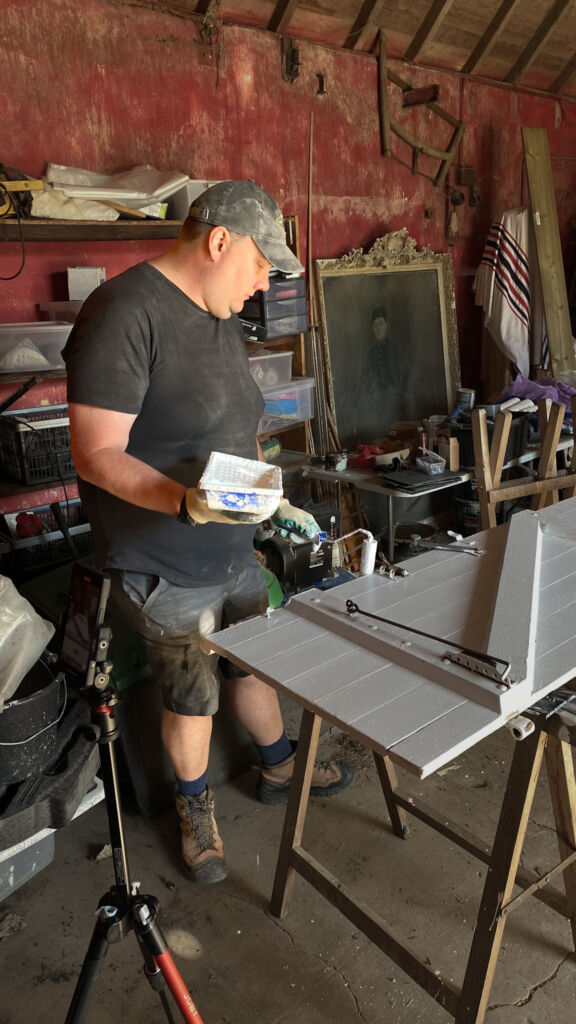
Our tasks varied daily, which kept things interesting. We cleaned out rooms, the basement, and sheds; rearranged furniture; painted window frames alongside Johnathan; hauled items to the dump or for donation; and even prepped for a garage sale. Johnathan also tackled painting and sanding shutters, moving heavy furniture, trimming hedges, repairing fences, gardening, and even minor roof repairs. The hardest tasks for me were the ones that required endless squatting or pushing wheelbarrows through the garden. Our bodies weren’t quite ready for that kind of work after so long on the road. Johnathan’s favourite job ended up being the roof work, as it was something completely new and challenging. The reality of volunteering in rural France is that there is always something waiting to be done.
Indoor
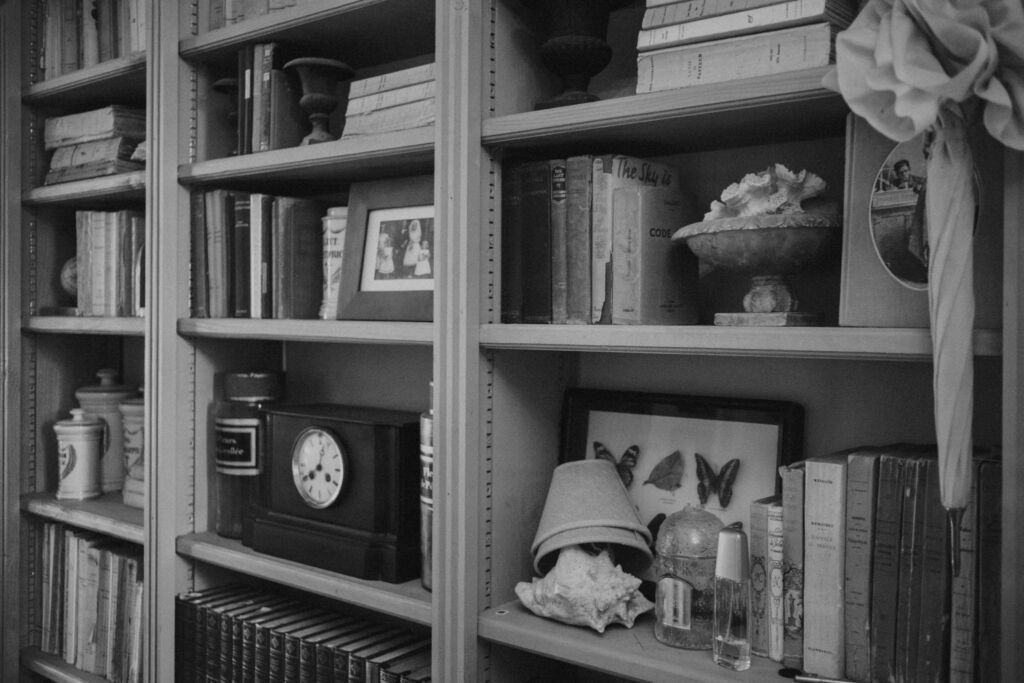
Inside the château, we handled more detailed cleaning projects like washing cupboards, carefully polishing antique plates, and moving furniture that was set aside for sale. Some days we cleared storerooms and organized antiques for donation or sale, while other days we did light gardening to help keep the grounds in shape. We even set up a design studio space for the host.
The Challenge of De-cluttering
One of the most unexpected tasks was sorting through old belongings in preparation for donation, sale, or disposal. What we thought would be simple de-cluttering turned into an emotional process, as many items carried strong personal or family memories. Our host wanted to donate many items, but struggled to part with her grown children’s possessions. She asked us to encourage her to make decisions, but when it came time to let go, she became visibly uncomfortable.
What We Learned
We quickly learned that de-cluttering isn’t just a physical task; it’s deeply tied to memory and emotion. The sheer volume of items and the sentimental value attached to them made every decision heavier than anticipated. While we had hoped to learn new skills, much of the work focused on upkeep and organization rather than hands-on skill-building. That said, being useful in maintaining the château, both inside and out, was rewarding in its own right and gave us a deeper appreciation for the effort required to care for such a historic property.
6. Living in Rural France During Our Work Exchange
Our hosts are expatriates, English speakers who have settled far from their original home country. It was fascinating to observe their life and hear their stories. With no language barrier between us (she spoke a little French for errands), the cultural differences felt more subtle, mostly around French bureaucracy and daily habits.
From their experiences, we learned that dealing with customer service in France can be frustrating, especially as foreigners. We had our own limited, poor experiences, but it seemed to be more widespread. French staff often brushed off English speakers, and scams from contractors targeting foreigners are a real problem. Healthcare access is limited, especially with medical maintenance. Few dentists or medical staff are available and mainly focus on emergencies for a large population segment. Without volunteering in Normandy, we wouldn’t have known this.
Their stories painted a vivid picture of the challenges and quirks of rural French life, useful knowledge for anyone considering a move here. We were grateful for the help we received when dealing with Apple, after needing a copy of the VAT receipt for our exit from the EU for my Laptop purchase. Her little French helped a lot. I link to that story once it’s posted. 10 + hours dealing with Apple taught us a lot. We would recommend volunteering in rural France, going where fewer have gone and trying something new.
7. Dinners, Conversations, and Cultural Exchange During Our Château Volunteering Experience
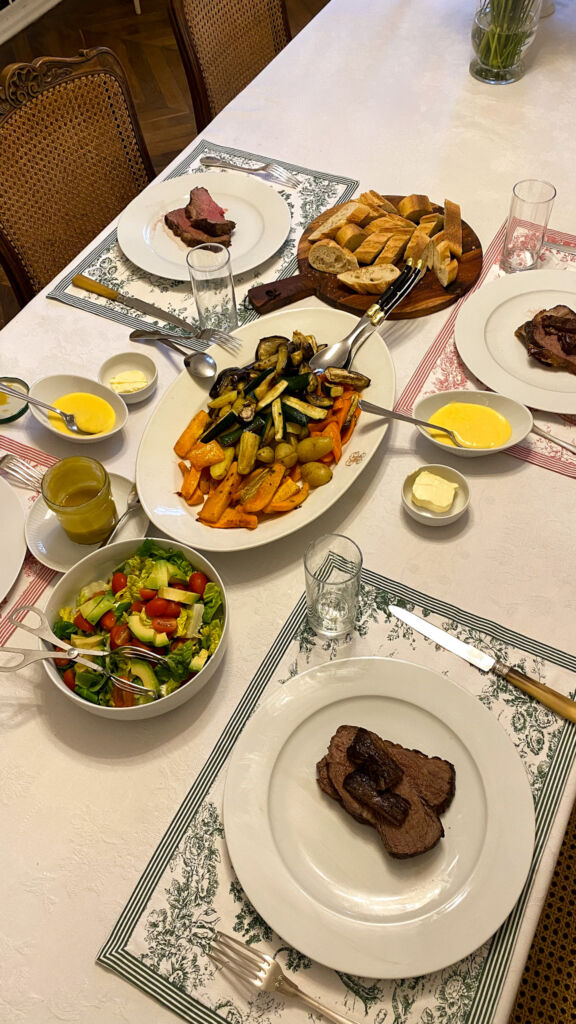
Dinner was a highlight of our days. Our hosts cooked most meals, treating us to an international menu: Fresh Vietnamese Rolls, homemade Sushi, Pasta, Chinese noodles, Roast beef dinner, Mexican dishes, and more. Some nights we cooked for ourselves, and it was a fend-for-yourself situation.
Our conversations spanned culture, politics, finances, and jokes, finding common ground in shared values and humour. Although we didn’t share traditional ceremonies, we discussed Canadian life and food. Through their stories, we felt more connected to this new place. Often talking for way too long when we needed to work on things. But that’s because conversation came so natural.
8. Lessons We’ll Take Into Future Travels
Looking back, we wish we’d embraced work exchanges earlier in our travels. Moving beyond city centers into the countryside gave us a new perspective and a chance to feel truly “at home.”
We also realized the importance of financial preparedness. Not everyone meshes well with their host, and escaping a bad situation quickly requires financial security. While work exchanges might seem free, costs like transport and day trips add up, especially in rural areas with limited public transit. A one-day trip was to cost us more than $150 to use the train, so we opted to avoid that and stick to places where we could get a ride. We weren’t here to see a lot, but to see a bit.
Structure and routine helped us thrive. Toward the end of our stay, the loose schedule left us uneasy, and we wished we’d voiced our needs earlier. Clear expectations benefit both hosts and volunteers, making the experience more productive and enjoyable. The laissez-faire attitude may work for some, but we wanted to see a difference and a change that we made, which could have been more significant.
Our next stops include volunteering in Edinburgh, managing an Airbnb, and then a rural stay near Highland cows and chickens. Continuing the journey of meaningful travel.
9. Challenges, Positives, and What Comes Next
Living in the countryside meant relying on our hosts for transportation. This felt restrictive at first. But after four years of constant movement, the slower pace was a welcome change. We finally caught up on writing, finances, and social planning.
This experience confirmed that work exchanges aren’t free and aren’t for everyone. They work best if you’re financially secure, flexible, proactive, and genuinely interested in contributing. Without that financial buffer, travelers may feel stuck, or worse, become vulnerable to exploitation by hosts looking for cheap labour.
For travelers with a flexible mindset and a desire for deeper connection, though, work exchanges offer something rare: the chance to contribute, learn, and grow in a supportive environment.
Final Thoughts: Is A Work Exchange Worth It?
Our château experience in rural France wasn’t just a change of scenery. It was a change of pace, perspective, and purpose. We came away with a deeper understanding of what it takes to run a historic property, the quirks of rural French life, and the rewards of trading time and skills for an authentic cultural experience.
Work exchanges aren’t for everyone. They work best if you’re financially secure, flexible, proactive, and genuinely interested in contributing. It’s not just getting a “free stay.” You need to be comfortable living in someone else’s space, adaptable when plans shift, and happy to embrace local rhythms instead of tourist itineraries.
For the right person, they can turn travel into something richer. Something that leaves you with more than just photographs. For us, this first exchange will always be remembered as the moment we slowed down and truly connected. We got a lovely send off our last few days. We were taken out for lunch and had a special Roast Dinner.
If you’re looking for more alternative ways to stay, check out Home Exchange and our article: 13 Things You Need to Know Before Paying for Home Exchange. For more of France check out the France Tourism website.
TLDR: Our First Work Exchange in France
After four years of non-stop travel, we craved slower, more meaningful experiences, so we tried a work exchange at a rural French château. Workaway, the popular platform, didn’t work for us due to outdated calendars, last-minute hosts, hidden costs, and mismatched vibes. Instead, we found our host through Facebook groups and spent weeks painting shutters, de-cluttering storerooms, and sharing meals with expats in the countryside. The experience taught us that work exchanges aren’t “free travel”; they require flexibility, savings, and the right mindset. But they can deliver cultural connection and perspective you can’t get as a tourist.